A logo is more than a graphic or symbol; it is the visual foundation of a brand’s identity. It embodies a company’s values, mission, and personality. Every landmark logo you see today, whether it be a global giant or a small garage startup, had an idea behind it. This is the guiding principle that informs all of our decisions regarding logo design, ensuring the logo communicates what it needs to communicate to whom it needs to communicate.
A logo may look good in the design without a concrete concept behind it. Branding goes beyond just a logo, especially today, when brands are vying for attention. It also plays a significant role in making the business Unique, establishing trust, with a long-lasting impression on customer minds, and uniformity to all branding platforms.
Understanding a Logo Design Concept
The concept of logo design is the essence or idea that forms the logo. It is the rationale behind the design, formulating the colors, shapes, typography, and icons. Whereas a designer doesn’t just create something for a visual assessment immediately, they devise a concept that matches the message, values, and personality of the brand.
The concept, put simply, is the “why” of the design. It answers questions such as: What does the brand represent? Who is the target audience? What feelings do you want the logo to convey?
The Importance of a Logo Concept Design
A good logo concept guarantees that the design has meaning and not just for the sake of looking nice. Without a strong idea, no matter how pretty, a logo fails to convey what the brand represents.
Here’s why it matters:
- It makes a powerful first impression
- It helps build brand recognition
- It communicates the brand’s story
- It provides consistency between marketing materials
People tend to remember and trust a logo that has a clear concept.
Main Components of a Logo Design Concept
When it comes to creating successful logo design concepts, there are a few core features that shape the foundation:
Brand Research
Then, do your homework, understanding the brand before designing a logo. These are its mission, vision, values, and target demographic. Moreover, most companies utilize professional logo design services to generate ideas that will best adhere to their branding goals. Through research, designers can ensure your concept is right on track with the brand identity.
Simplicity
A great idea is based on simplicity. A simple logo is easier to recognize and remember than generations of overcomplicated designs, leading to confusion and loss of impact.
Relevance
Something industry or audience-relevant, an angled design that could be a little more playful, would suit a children’s brand, compared to the sleek and modern corporate feel of a tech company.
Uniqueness
A strong concept will make sure the logo stands out from others in its field. This unique definition is created in the marketplace with new ideas.
Versatility
A considered concept means the logo can translate across multiple platforms and sizes, whether that be for use on websites, social media, or print materials.
Types of Logo Design Concepts
There are various methods that designers follow while they come up with ideas for a logo. Some popular types include:
Symbol-Based Concepts
These logos rely on icons or symbols to describe the brand. The emblem often has a deeper meaning tied to the company’s mission.
Typography-Based Concepts
These center around the use of fonts and text. The brand name takes center stage visually.
Abstract Concepts
Abstract logos use shapes and forms to create a unique identity. They aren’t direct representations of a single entity, but rather encapsulate feelings and concepts.
Combination Concepts
These integrate symbols and text to form a more balanced, versatile design.
How to go about creating the logo design concept
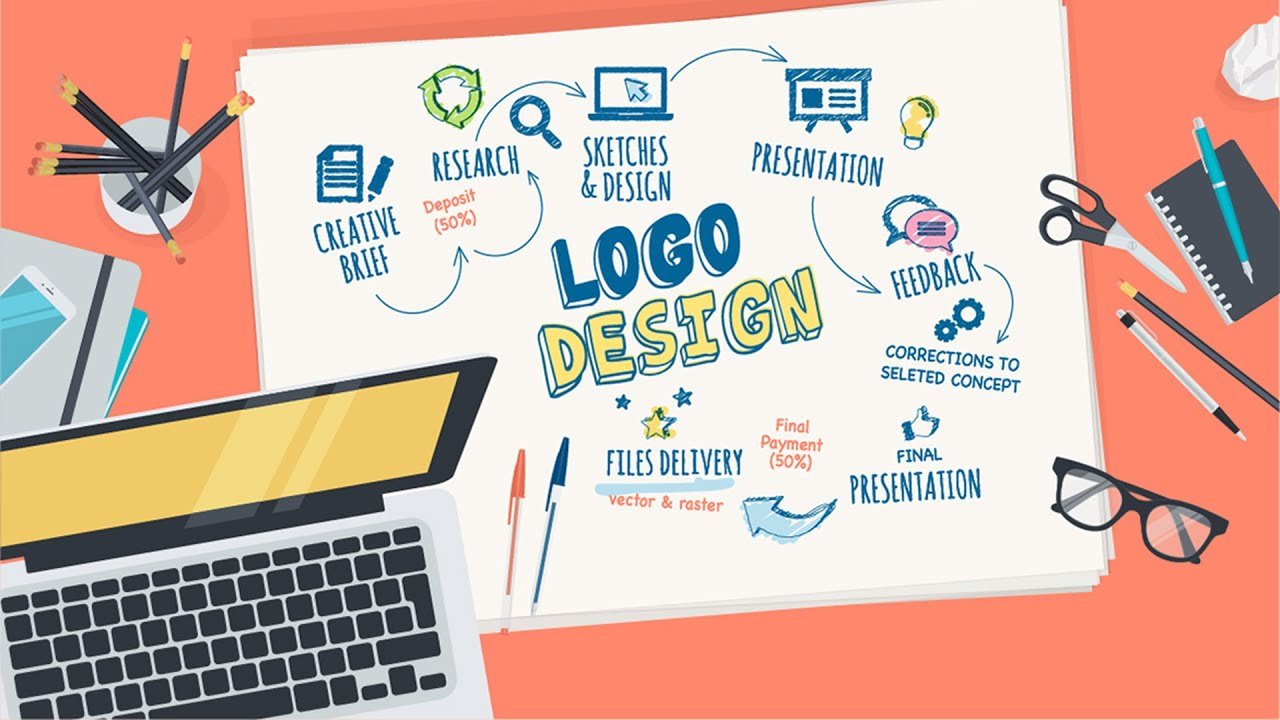
Here is a step-by-step process of logo concept development:
- Research and analysis– Getting to know the brand and its audience
- Idea generation — as in ideas and themes
- Sketching and Drafting – capture your thoughts in visual form
- Refinement – Make the design better and simpler
- Finalization – Develop the final logo with appropriate detailing
In this way, the final design that will be developed is both a creative and strategic process.
How the Idea Affects Design Decisions
The concept of any logo creates its fingerprints on every element:
- Certain colors evoke emotions and give a personality to the brand.
- Typography conveys tone and style..
- Shapes communicate meaning and structure.
- Help with balance and clarity in spacing and layout
If all these aspects revolve around a solid idea, it could lead to a consistent and impressive logo design.
The Role of Professional Designers
Developing a strong logo concept involves a lot of creativity, research, and experience. Making something meaningful visually is what professional designers do best. They retain design at the core, mixed with strategy for a good awareness. Not only does the logo have a great appearance, but it is also delivering the correct message to its audience, which these services ensure.
Common Mistakes to Avoid
However, here are some common mistakes to avoid when creating a logo design concept:
- Insufficient investigation into the brand
- Following trends without purpose
- Overcomplicating the design
- Ignoring the target audience
- Creating a design without meaning
None of these mistakes should be made in order to make a great logo.
Learn About the Importance of a Strong Logo Design Concept
There are multiple benefits to a well-developed concept:
- Builds a memorable brand identity
- Enhances brand recognition
- Creates emotional connection with customers
- Supports long-term branding strategies
- Differentiates the brand from competitors
These advantages make a logo concept an integral component of branding.
A logo design concept is the essence of any successful logo. It changes a simple image into a versatile brand symbol. Research, creativity, and strategy will help businesses create logos that stand out.
Conclusion
So, whether you are a designer or a business owner, the importance of logo concept needs to be realized so that better decisions related to branding can be made. A great concept makes your logo not just pretty but also expressive, trustworthy, and memorable.