Construction and road maintenance activities create temporary hazards that require clear communication with motorists, pedestrians, and workers. Road safety signs help reduce risks by providing timely warnings, instructions, and directions. In Australia, using the correct road work signs is both a safety requirement and part of regulatory compliance. Proper signage maintains traffic flow, protects work crews, and supports safer conditions for everyone travelling through or around work zones.
Understanding Road Safety Signs and Road Work Signs
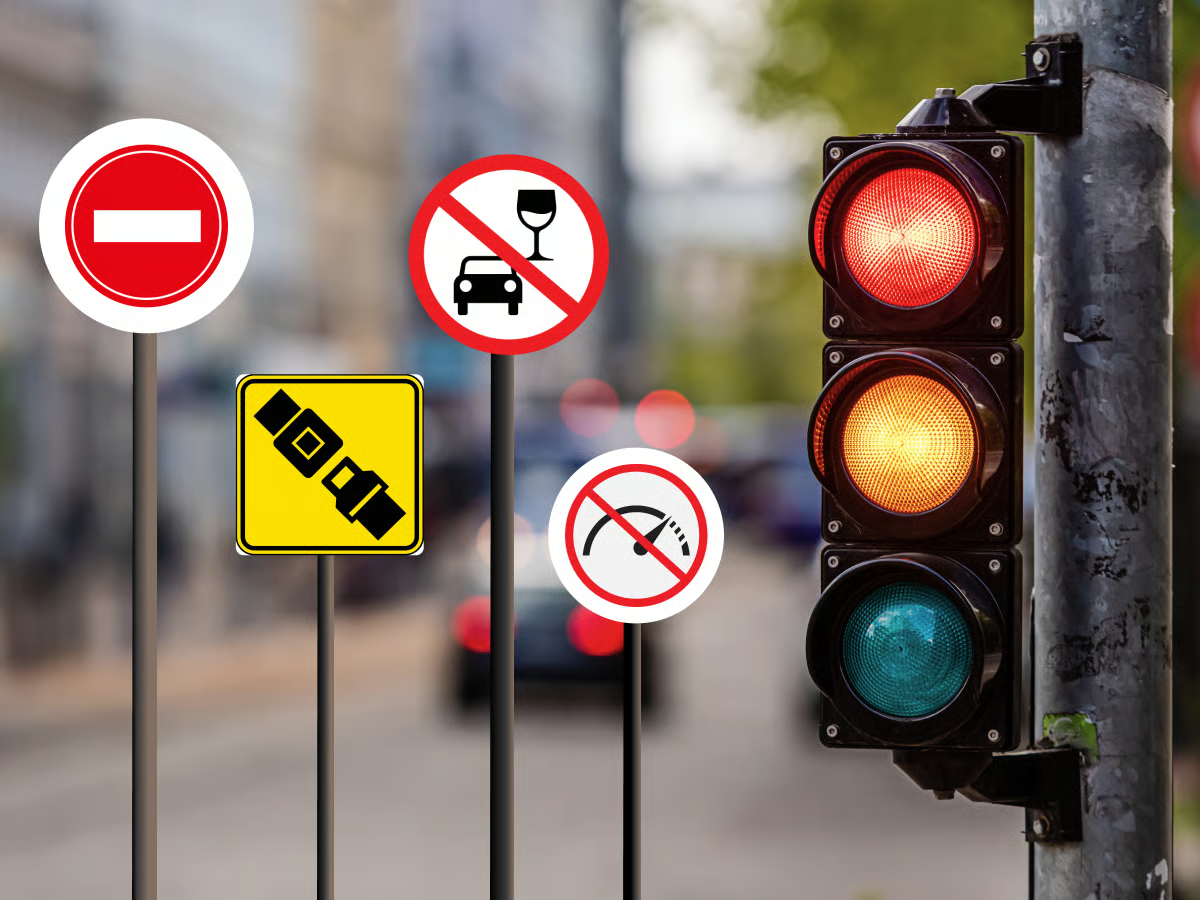
Road safety signs include permanent and temporary signs that provide essential information to road users. Permanent signs regulate everyday traffic, while temporary road work signs manage changing conditions during construction, maintenance, or emergency works.
Road work signs help drivers anticipate hazards, adjust their speed, and follow safe routes through work areas. When correctly selected and positioned, they reduce confusion, improve compliance, and lower the risk of accidents.
Common Road Work Signs Used on Australian Construction Sites
Different worksite conditions require different signs. The most commonly used road work signs include:
- Warning Signs: Alert motorists to hazards such as roadworks, workers ahead, uneven surfaces, or operating machinery.
- Temporary Speed Limit Signs: Require drivers to reduce speed while travelling through construction areas.
- Lane Closure and Detour Signs: Guide vehicles safely around closed lanes or temporary diversions.
- Pedestrian Guidance Signs: Direct pedestrians towards safe temporary pathways when footpaths are unavailable.
- End of Road Works Signs: Inform drivers that temporary restrictions have ended.
Selecting the correct sign for each situation improves communication and supports safer traffic management throughout the project.
Australian Compliance Requirements for Road Work Signs
Australian road work signage should comply with applicable standards and the requirements of the relevant road authority. Signs must remain easy to recognise in different weather and lighting conditions.
Correct placement is equally important. Signs should be positioned early enough for drivers to react safely. They should also be appropriately sized, use reflective materials where required, and remain free from damage or obstruction. Regular inspections help ensure signs remain effective throughout the work period.
Building a Safer Work Zone with Supporting Traffic Control Equipment
Road work signs are most effective when used alongside suitable traffic control equipment. Common safety measures include:
- Traffic Cones: Separate traffic from work areas and guide vehicles through temporary routes.
- Bollards: Define safe boundaries for vehicles and pedestrians.
- Delineators: Improve lane visibility and provide direction through temporary traffic arrangements.
- Traffic barrier: Traffic barrier Creates a physical separation between moving vehicles and workers in higher-risk locations.
Using signs together with traffic control equipment creates safer work zones and improves traffic management.
Conclusion
Effective roadwork signage protects workers, motorists, and pedestrians while supporting safe traffic flow through construction zones. Following Australian compliance requirements, using suitable signs, and maintaining them throughout the project helps reduce risks and improve communication. Combined with appropriate traffic control equipment, compliant signage contributes to safer, more organised worksites and responsible traffic management across construction and maintenance projects.