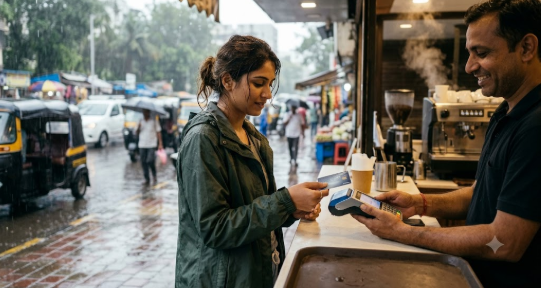
Monsoon travel requires careful planning because heavy rain can affect transport, accommodation and access to certain destinations. Travellers should review weather forecasts, route conditions and local advisories before starting the journey. Financial preparation is equally important, as changing conditions may lead to additional travel expenses.
Before using one, it is useful to understand what is Credit Card is and how it works. A Credit Card allows users to make purchases and repay the amount later, as per the card issuer’s terms. When used with a clear budget and repayment plan, it can help manage travel expenses more responsibly during the monsoon.
Create a Budget for Planned and Unexpected Costs
A travel budget should cover more than tickets and hotel bookings. During monsoon travel, it should also account for delays, route changes and extended stays. Planning for these situations can help travellers manage changing expenses more effectively.
Important steps include:
- Estimate Regular Expenses: Travellers should calculate expected costs for transport, accommodation, meals and activities.
- Keep a Buffer Amount: An extra amount should be reserved for extended stays, alternative transport or urgent purchases.
- Plan Card and Cash Usage: Travellers can use a Credit Card for planned payments where accepted and retain some cash for remote locations or situations where card payments are unavailable.
This approach can make transactions easier to track while keeping cash available for essential payments when digital or card facilities are limited.
Pre-Book Major Travel Expenses
Booking major expenses in advance can make travel costs easier to manage. Flights, train tickets, hotels, and local transfers may become more expensive as the travel date approaches, especially when weather affects availability.
Advance booking also helps travellers know how much of their budget is already committed. This makes it easier to decide how much to set aside for food, local travel, shopping, and emergencies. During monsoon trips, this clarity can reduce the need for sudden high-value spending.
Track Spending During the Trip
Small expenses can add up quickly during travel. Snacks, cab rides, rain gear, medicines or extra meals may seem minor at the time. However, they can increase the final bill if they are not tracked.
Travellers can manage spending through simple habits:
- Review Transactions Daily: Checking card transactions helps travellers stay aware of total spending.
- Track Small Purchases: Recording smaller expenses can prevent overspending without realising it.
- Use Transaction Alerts: Alerts can help identify each card transaction and spot unusual activity.
Regular tracking helps travellers adjust their spending before it crosses the planned limit.
Avoid Impulse Purchases
Travel can offer several opportunities to explore local products, experiences and upgrades. However, these purchases should still be planned within the available travel budget. During monsoon travel, keeping some funds available for changing transport or accommodation needs can support better expense management.
A Credit Card can make planned purchases more convenient and help travellers track transactions in one place. Before making an additional purchase, they should check the available credit limit, repayment capacity and overall travel budget. This allows them to use the Credit Card for both planned experiences and essential travel expenses without affecting timely repayment.
Keep an Emergency Fund Ready
A Credit Card can provide payment flexibility, but it should not be the only source of funds during travel. Keeping an emergency fund can help travellers manage urgent costs without relying fully on borrowed money.
An emergency fund may help cover:
- Extended Stay: Heavy rain, flight delays or restricted movement may require travellers to extend their hotel stay.
- Alternative Transport: Route changes may require a cab, a different train or a new ticket.
- Medical Needs: Weather changes may lead to minor health concerns or urgent medicine purchases.
Using savings and card payments together can reduce repayment pressure after the trip.
Use Cash Withdrawals Carefully
A Credit Card can provide useful payment flexibility during travel, especially when other payment methods are unavailable. However, cash withdrawals may attract a cash advance fee and interest from the withdrawal date.
If withdrawing cash through a Credit Card becomes necessary, travellers should first check the applicable charges and repayment terms. They can then limit the withdrawal to the required amount and plan timely repayment to manage the overall cost effectively. Used carefully, a Credit Card can remain a convenient backup for urgent travel expenses.
Review Spending After the Trip
Once the trip ends, travellers should review their total spending. This helps them understand where the money was used and whether the actual cost matched the planned budget.
Useful steps include:
- Compare Budget and Actual Spend: Travellers should check whether they stayed within the planned amount.
- Identify Overspending Areas: Reviewing extra costs can help improve planning for future trips.
- Plan Timely Repayment: The outstanding amount should be paid as per the applicable due date and terms.
Timely repayment can help avoid extra charges and support better financial habits. It also ensures that travel expenses do not affect next month’s budget.
Conclusion
Monsoon travels are zealous, but it is important to take care of a few important things beforehand. A clear budget, advance bookings, regular expense tracking and an emergency fund can help travellers manage these changes better.
Understanding what is Credit Card is and using it responsibly can make payments more convenient during travel. However, travellers should avoid impulse purchases, check transaction costs and plan repayment before using borrowed funds. This approach can help keep monsoon travel expenses under control without creating unnecessary financial pressure later.