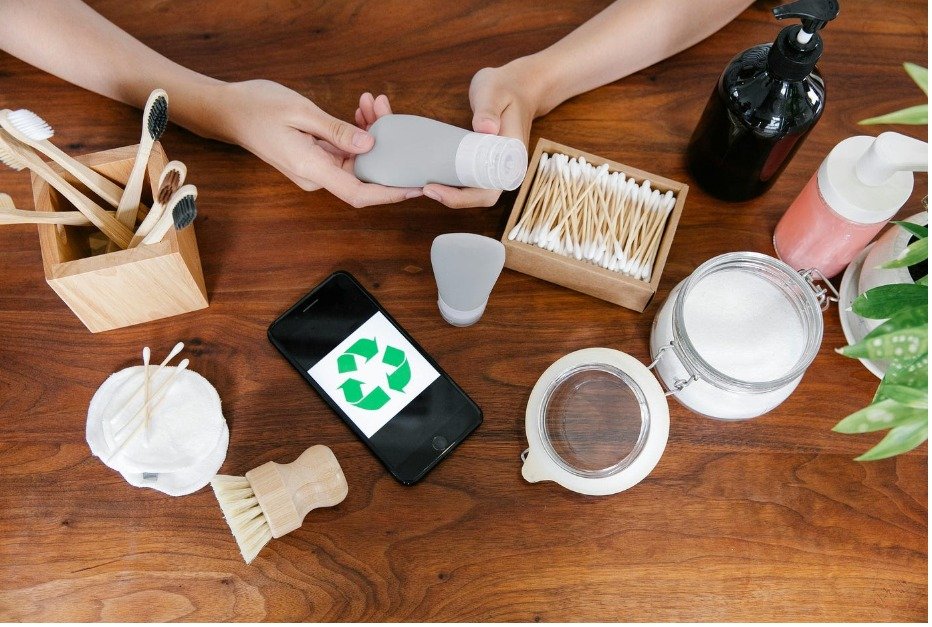
Eye care products are becoming part of a wider conversation about sustainability, responsible sourcing, packaging waste, and long-term environmental impact. A product may appear eco-friendly because of recyclable packaging or natural ingredients, but meaningful sustainability involves much more than appearance. A sustainable eye care brand should demonstrate responsible choices across ingredients, manufacturing, packaging, sourcing, and product performance. Asking the right questions before purchasing can help separate genuine environmental responsibility from simple marketing claims. From ingredient transparency to packaging materials, several factors deserve careful attention when evaluating an eye care product and the company behind it.
1. Are the Ingredients Clearly Disclosed?
Ingredient transparency is an important starting point when assessing a sustainable eye care brand. A responsible product should provide clear information about active ingredients, supporting ingredients, preservatives, and other components included in the formula. Clear labeling makes it easier to understand what an eye product contains and whether the formulation reflects responsible sourcing practices. Natural ingredients can be beneficial from a sustainability perspective, but “natural” does not automatically mean environmentally responsible. Some botanical ingredients may require intensive farming, excessive water, or long-distance transportation. Ingredient transparency provides a stronger basis for evaluating sustainability than broad claims such as “green” or “clean.”
2. What Type of Packaging Is Used?
Packaging can contribute significantly to environmental waste, particularly for products used regularly. Before purchasing, examine whether the packaging uses recyclable, reusable, refillable, or responsibly sourced materials. Glass, recycled plastics, recyclable cardboard, and lightweight packaging can reduce certain environmental impacts when properly designed and disposed of. Excessive layers of packaging may indicate unnecessary material consumption. A sustainable eye care brand should ideally provide useful information about packaging materials and disposal methods. Clear recycling instructions can also make responsible disposal easier and reduce the chance of recyclable materials ending up in general waste.
3. Does the Brand Explain Its Sustainability Claims?
Sustainability statements should be supported by specific information rather than vague promotional language. Terms such as “eco-friendly,” “planet-friendly,” “green,” and “sustainable” can have limited meaning without evidence. A credible sustainable eye care brand should explain what makes a product more sustainable and identify the practices behind environmental claims. Useful evidence may include responsible material sourcing, reduced packaging, renewable energy use, waste reduction, ethical manufacturing, or recognized certifications. Specific explanations make environmental claims easier to assess. Transparency is particularly important because greenwashing can make conventional products appear more environmentally responsible than actual business practices suggest.
4. Where Are the Ingredients and Materials Sourced?
The origin of ingredients and packaging materials can influence both environmental and ethical performance. Long supply chains may involve additional transportation, while poorly managed sourcing can contribute to habitat damage, resource depletion, or unfair working conditions. A responsible eye care company should provide reasonable information about important ingredient and material sources. Certifications can offer additional reassurance for certain raw materials, especially when certification standards address environmental or social practices. Local sourcing is not automatically more sustainable in every situation, but understanding the supply chain provides valuable context when comparing different eye care products.
5. How Responsible Is the Manufacturing Process?
Manufacturing can affect sustainability through energy use, water consumption, chemical handling, waste generation, and emissions. A product made with responsible ingredients can still have a considerable environmental footprint if production methods are inefficient. Questions about manufacturing location, production standards, waste reduction, and resource management can therefore provide deeper insight into a brand’s overall approach. A sustainable eye care brand that shares meaningful information about manufacturing practices demonstrates greater accountability. Manufacturing transparency also helps distinguish genuine sustainability efforts from packaging-focused marketing that overlooks the wider product lifecycle.
6. Is the Product Designed for Safe and Practical Use?
Sustainability should not come at the expense of product safety or practical performance, especially for eye care. Products intended for use around the eyes require careful formulation, appropriate testing, hygienic packaging, and clear instructions. Sustainable packaging has little value if the container compromises product stability or creates contamination risks. Similarly, a formula should not rely on environmental claims while lacking appropriate quality standards. Product safety information, storage guidance, expiration details, and usage instructions should remain clear. A balanced approach considers environmental responsibility alongside quality, hygiene, effectiveness, and appropriate eye care standards.
7. Does the Brand Take Responsibility Beyond the Product?
A company’s wider business practices can reveal whether sustainability is a genuine priority. Look for information about waste reduction, responsible shipping materials, charitable environmental initiatives, employee practices, supply chain standards, and long-term sustainability goals. A sustainable eye care brand should ideally demonstrate consistent environmental thinking across different areas of operation rather than focusing on one isolated feature. Progress does not require perfection, but meaningful transparency matters. A company that openly discusses current efforts, measurable goals, and areas still requiring improvement may provide a more credible picture than a brand relying entirely on broad environmental slogans.
Why Sustainability Claims Need Careful Evaluation
Sustainable eye care requires a broader view than simply selecting products labeled as environmentally friendly. Ingredients, packaging, manufacturing, sourcing, transportation, safety, and disposal all contribute to the overall environmental profile of a product. Certifications and independently verifiable information can provide useful evidence when available. Product descriptions should be reviewed carefully, particularly when sustainability claims appear without supporting details. Comparing several products using the same criteria can also reduce the influence of attractive packaging or marketing language. A thoughtful purchasing decision considers both personal eye care requirements and the environmental impact associated with the complete product lifecycle.
How Packaging Can Influence Sustainable Eye Care
Packaging deserves special attention because eye care products often require containers that protect sensitive formulas from contamination, light, moisture, and exposure to air. These requirements can make packaging more complex than ordinary cosmetic products. Sustainable design therefore involves finding an appropriate balance between protection and material reduction. Recyclable materials, minimal secondary packaging, refill systems, and clear disposal guidance can all contribute to better outcomes. However, recyclability depends partly on local waste infrastructure. A package labeled recyclable may not actually be processed in every region. Practical disposal information is therefore an important part of responsible packaging design.
The Importance of Long-Term Product Value
Sustainability is also connected to product longevity and responsible consumption. A product that performs reliably and remains stable throughout its intended shelf life may reduce unnecessary replacement and waste. Overbuying eye care products can create additional waste if items expire before use. Appropriate product sizing, clear expiration information, and storage guidance can support more responsible consumption. Value should therefore be assessed through quality, usability, packaging efficiency, and expected product life rather than purchase price alone. A lower-cost product is not necessarily the more sustainable option if poor performance results in frequent replacement or increased material consumption.
The Bye Co. and the Value of Thoughtful Eye Care
The Bye Co. represents an approach to eye care that can appeal to consumers interested in thoughtful product choices and sustainability-conscious practices. Evaluating The Bye Co. through ingredient information, packaging, product quality, sourcing, and transparency provides a practical way to understand its overall value. Environmental responsibility becomes more meaningful when supported by clear product information rather than broad claims alone. For consumers interested in sustainable eye care, The Bye Co. can be considered alongside other brands using consistent criteria such as safety, formulation, packaging, usability, and responsible business practices. This balanced evaluation helps support more informed purchasing decisions.