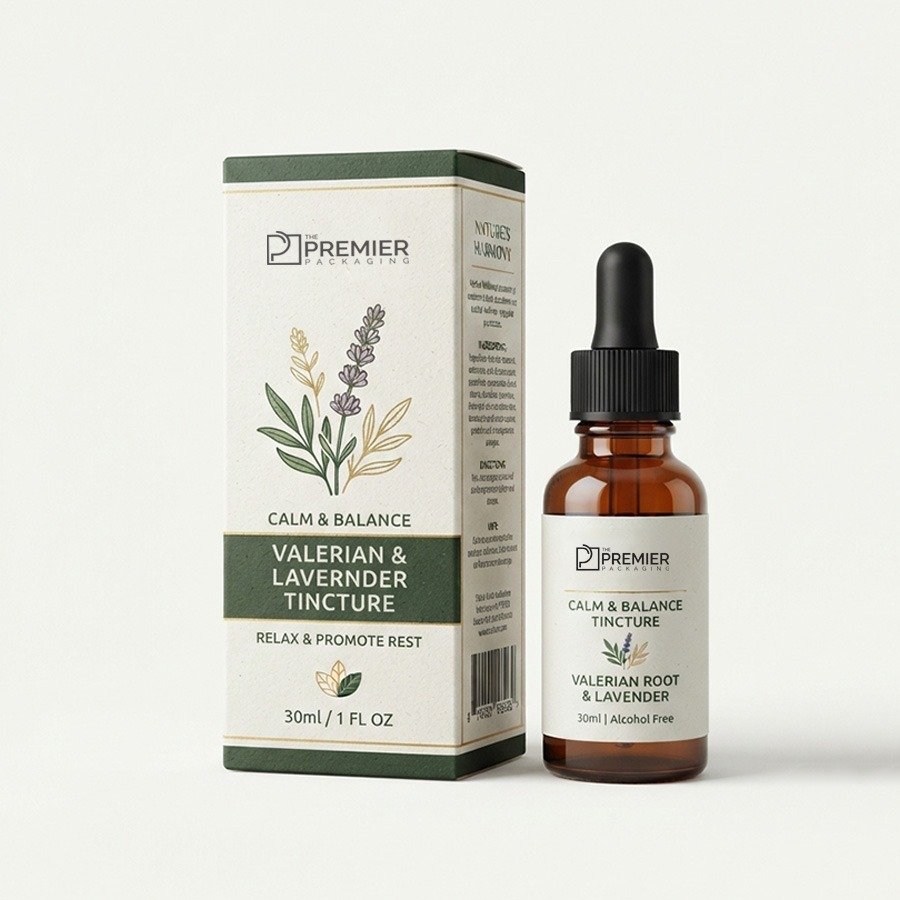
There are two things that buyers of this market want, which seem to be against one another. They want that packaging to feel high quality and truly be high quality, and that it should be environmentally friendly. The positive side is that these two are much easier to accomplish together than most brands think, and there are some straightforward restrictions to be aware of. It is here, where high quality and sustainability collide, and collide.
The Format Begins in a Good Place
Start with the positive, or the positive parts of the problem. A tincture box is a small box, so it requires minimal material, to start with.
A small carton around a dropper bottle uses a reasonable amount of board when compared to most packaging. This implies that the base price for the environment is already relatively low and to lower it is actually possible. You can’t beat an unproductive format right from the get-go.
The small tincture boxes start off ahead because they include:
- Small board each piece.
- An advantage in terms of shipping weight.
- Overall compact size.
The start rate is good. Then what you do with it.
Board Choice Does Most of the Work
The most important one is your material. The material the box is constructed from is more important than nearly anything else that you select.
FSC board is from responsibly managed forests, and recycled content is also a good choice. Neither has a negative impact on the appearance of the box. An FSC carton is as good as a carton on top quality stock, as the certification is for the forestry, not the finish. The tincture boxes manufactured in such a manner are naturally green in color initially.
Materials that can be responsibly used include:
- FSC Certificate – managed forests.
- Used recycled content, as appropriate.
- Uncoated stock for a natural feel.
This is the change that will have the greatest impact and the least negative consequence. The logical beginning.
The tension actually lies on the shoulders of the parents.
Alright, the real deal. There are some high-end finishes that truly make recycling difficult, and it’s best to acknowledge that rather than simply sweep it under the rug.
Plastic lamination is a method of attaching a film to the board that may contain elements that hinder recycling. Foil stamping is a technique that is used to add metallic effect to a paper product. These are the finishes that consistently make it seem like luxury – it’s a real tension because that’s what makes it look good. Ignorance is no protection and denial renders us defenseless.
The finishes which create issues are:
- Laminated plastic over board.
- Run across wide areas – or foil.
- Heavily pigmented or metallic inks.
Well, there are good alternatives and they appear great.
This is Premium Finishes that Recycle Better.
This is the working solution. There are several finishes that give a “premium feel” without the recycling issue.
Water-based coatings will be applied to protect the surface and provide a smooth matte or satin surface. Embossing and Debossing add no material to the surface and is made by applying pressure. There is a large selection of soy inks available. When printing on uncoated board, it feels more serious than its laminated counterpart.
Better-performing options include:
- Water-based coatings rather than films.
- Texture embossing without foil.
- Soy or vegetable based inks.
Embossing is definitely the easy winner. It isn’t costly, it’s cheaper than foil stamping, and there’s nothing else that has to be separated at a later stage.
Right-Sizing Helps Twice
This is the shift which saves both material and money and is easy to justify.
An oversized box will require more board, cost more to ship, and appear like a waste to the buyer who sees these items. The box is sizing just to the bottle, only the clearance required by the dropper, which will reduce material consumption and enhance the feel of the packaging. Custom tincture boxes of this size will also preserve the bottle.
Right-sizing delivers:
- Reduction in board utilized per unit.
- Reduce shipment weight and expenses.
- A tighter and better quality fit.
In this case, there is no compromise. It really makes a difference in both ways.
The Cotswolds is a genuine green area.
The one angle in sustainability here is unarguably good. A box that people use and reuse is a true environmental benefit.
A sturdy, attractive tincture box is likely to be stored rather than recycled. Reuse is the highest level of waste hierarchy, a box built to remain in use makes a significant difference in displacing other purchases, thereby prolonging the life of the material. This also keeps your brand’s visibility extended.
Reuse works very well for reasons that include:
- Prolongs the value of the material.
- Is the highest level in the hierarchy.
- Maintains consistency with the brand.
Create a box that’s worth keeping and sustainability will become a natural by-product.
Tell nothing that is untrue.
It’s where you are safeguarding your brand. Buyers in this market are quite discerning and skeptical of ambiguous claims for “green.”
Be clear with what you have done. FSC certified board is a definite claim. It is not, and it arouses suspicion, when the word eco-friendly appears without qualification. The truth is that if a part of your packaging is not recyclable, it’s far better to state this clearly than to be stumbled upon later in the game. Don’t be afraid to be honest.
Honest claims are:
- Be specific as to what happened.
- Verifiable through certification.
- Have definite ideas about any outstanding restrictions.
It’s better to be slightly understated than overstated. Consistently buyers are rewarding correctness more than ambition.
Final Thoughts
Is it possible to have high-end packaging and be eco-friendly? Yes, in many ways, but it doesn’t mean that it can’t in others.
The format is good with little material consuming in small boxes. FSC certified board, or recycled board does much of the work without impacting the appearance. Embossing and water-based coatings offer a sophisticated look and are more recyclable than lamination and foil coatings. Right sizing reduces material usage and enhances feel immediately, while a box that is worth keeping has a true green advantage when re-used.
Select responsible board, favor finishes which will not add any extra material, measure the box precisely, and describe what you have done accurately. The result are bespoke tincture boxes that are both high quality and effective, and can be challenged in real terms.