Finding reliable wire fencing solutions across the diverse landscapes of the San Francisco Bay Area requires careful consideration of local conditions, property needs, and long-term durability. From the foggy coastal edges of San Francisco and Marin to the warmer inland valleys of Concord, Walnut Creek, and the East Bay hills, property owners seek fencing that balances security, visibility, aesthetics, and resistance to the region’s unique weather patterns. Wire fencing stands out as a practical and versatile choice for both residential and commercial applications throughout this dynamic region.
Understanding Wire Fencing Options for Bay Area Properties
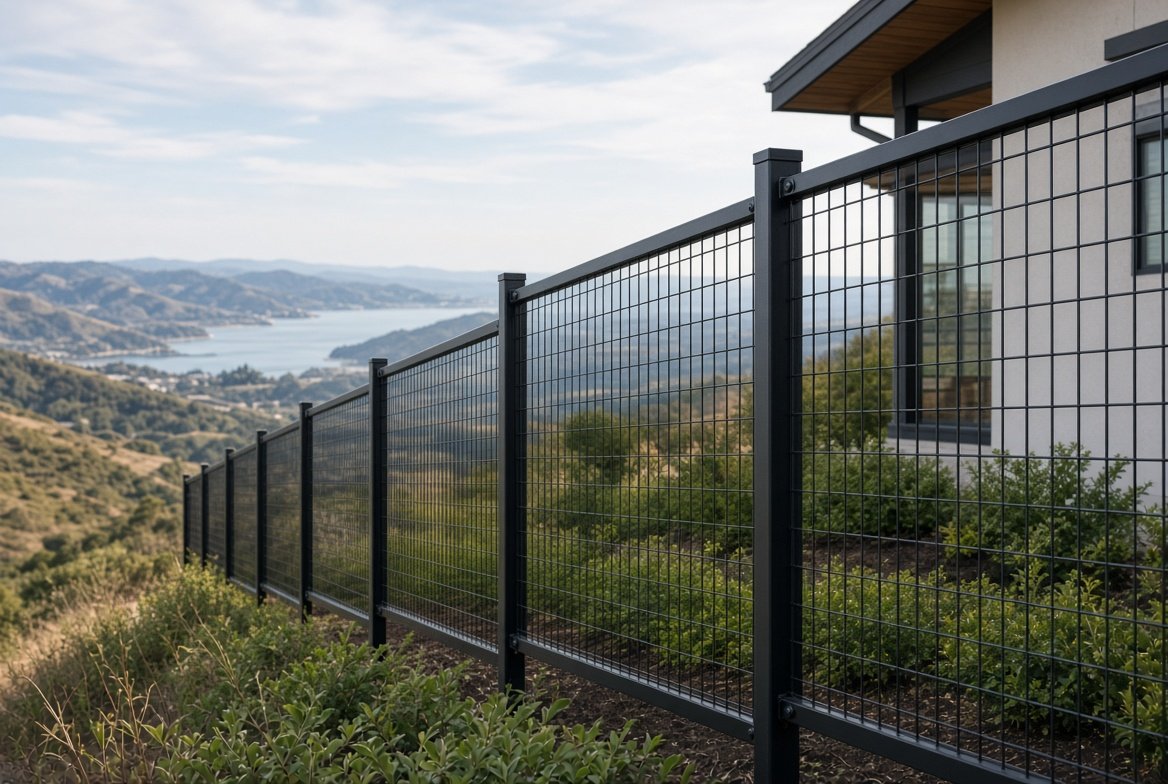
Wire fencing encompasses a range of styles designed to meet specific functional and visual requirements. Chain link remains one of the most widely used options due to its strength, affordability, and ability to provide clear sight lines while deterring unauthorized access. Welded wire panels, often referred to as hog wire or box wire, offer a more refined appearance when framed in wood or metal, making them popular for modern residential designs that prioritize openness without sacrificing boundary definition.
Field wire and non-climb mesh serve agricultural or larger estate properties where containing animals or protecting gardens from deer is essential. Each type can be customized with coatings, privacy slats, or additional security features such as barbed extensions where regulations allow. In the Bay Area, local building codes and homeowner association guidelines frequently influence material selection and height restrictions, so working with experienced installers familiar with municipal requirements across Alameda, Contra Costa, San Mateo, and surrounding counties helps ensure compliance from the outset.
Benefits of Professional Wire Fence Installation in Northern California
Professional installation delivers advantages that go beyond the materials themselves. Proper post spacing, concrete footings adapted to soil types ranging from clay-heavy East Bay ground to sandy coastal soils, and accurate tensioning of the wire all contribute to a fence that remains straight and secure for decades. Local companies understand how seasonal winds, occasional heavy rains, and seismic considerations affect structural integrity.
A well-installed wire fence enhances property security by creating a clear perimeter, supports privacy when combined with landscaping or privacy inserts, and can increase curb appeal when thoughtfully integrated with existing architecture. For commercial sites, schools, parks, and industrial facilities, wire fencing provides cost-effective perimeter control that meets safety standards while allowing natural light and airflow. Residential homeowners appreciate the low visual impact compared to solid walls, especially on hillside lots where preserving views of the bay or surrounding hills is a priority.
Choosing the Right Materials for Coastal and Inland Climates
The Bay Area’s microclimates demand thoughtful material choices. Galvanized steel wire resists corrosion better than untreated metal, while powder-coated or vinyl-coated options add further protection against salt air near the coast and moisture inland. Black-coated welded wire has grown in popularity for its contemporary look that blends with modern landscaping. Redwood or pressure-treated frames pair effectively with wire panels, offering natural warmth that complements the region’s architectural styles. Selecting heavier gauge wire improves resistance to impacts and climbing attempts.
In areas prone to high winds, such as ridgelines in the East Bay or coastal Marin, reinforced posts and secure fastening systems become critical. Installers familiar with these variables help property owners avoid premature deterioration and costly replacements by matching materials to specific site conditions rather than applying a one-size-fits-all approach.
Residential Versus Commercial Wire Fencing Solutions
Residential projects often emphasize aesthetics alongside function. Homeowners may choose hog wire framed in natural wood for a farmhouse or contemporary look, or chain link with vinyl privacy inserts for backyard security without complete enclosure. Pet containment, pool safety compliance, and garden protection frequently drive residential decisions. Commercial and institutional installations prioritize durability, height, and security features.
Schools, warehouses, and business parks commonly specify taller chain link with anti-climb mesh or barbed wire toppings where permitted. Industrial sites may require heavy-gauge welded panels capable of withstanding vehicle impact or continuous use. Both sectors benefit from gates that integrate smoothly with the fencing system, whether manual, sliding, or automated for controlled access. Experienced Bay Area providers assess traffic patterns, security levels, and aesthetic goals to recommend configurations that serve the property’s primary purpose while remaining practical to maintain.
The Installation Process and What Property Owners Should Expect
A typical professional installation begins with a site evaluation that includes measuring boundaries, noting terrain changes, identifying underground utilities, and discussing design preferences. Accurate surveying prevents encroachments and ensures the fence follows legal property lines. Material delivery and preparation follow, with posts set in concrete to depths appropriate for local frost lines and soil stability.
Wire is then stretched and secured with proper tension to prevent sagging. Gate hardware receives careful alignment so openings operate smoothly over time. Cleanup leaves the site free of debris, and many installers provide guidance on immediate care. Throughout the process, clear communication about timelines, weather delays common in winter months, and any necessary permits helps set realistic expectations. Property owners who request references or review past projects in similar neighborhoods gain confidence in the final outcome.
Maintenance Tips for Longevity in Variable Weather Conditions
Although wire fencing requires relatively little upkeep compared to wood or other materials, periodic attention extends its service life. Inspecting for loose fasteners, damaged sections, or vegetation growing through the mesh prevents small issues from becoming larger problems. In coastal zones, rinsing salt residue helps protect coatings. Inland, clearing debris after storms reduces moisture retention against posts.
Applying touch-up coatings to scratched areas maintains corrosion resistance. Gates benefit from occasional lubrication of hinges and latches. Professional companies often offer repair services for sections damaged by storms, vehicles, or settling ground, restoring the fence without full replacement. Consistent maintenance preserves both appearance and function across the Bay Area’s varied environments.