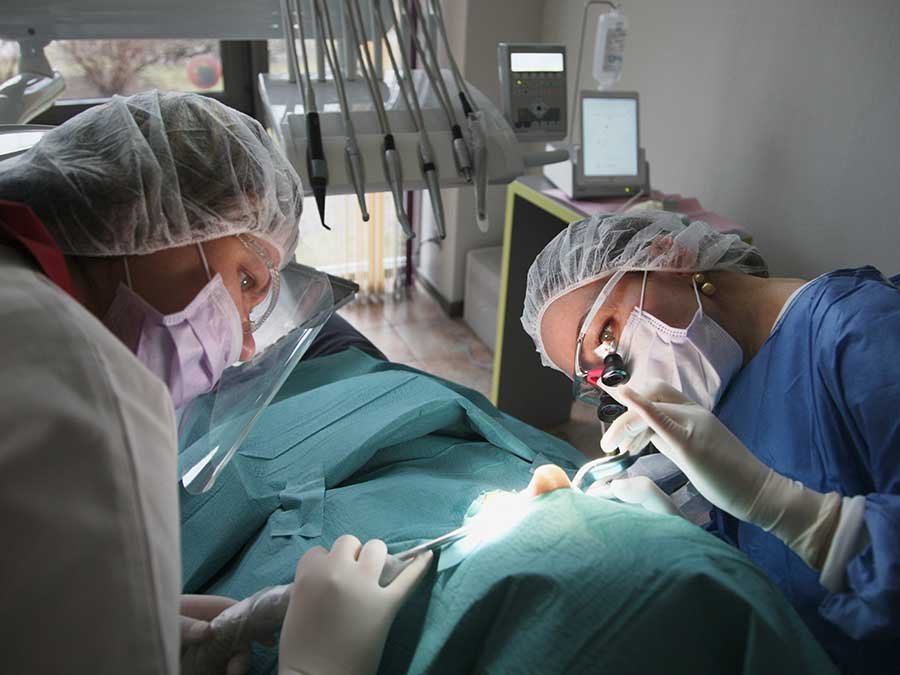
Recovery after oromaxillary surgery is gradual. While the exact timeline varies by the type and extent of surgery, most patients experience the most swelling and discomfort during the first week, followed by steady improvement over the following weeks. Knowing what to expect can make recovery easier to manage.
Week 1: Managing Swelling and Discomfort
The first week is usually the most demanding stage of recovery. Facial swelling commonly increases during the first two to three days before gradually settling. Bruising, tightness, numbness and difficulty opening the mouth may also occur.
Your diet may initially be limited to liquids or very soft foods, depending on the procedure and your surgeon’s instructions. Maintaining good oral hygiene is important, but clean gently around the surgical areas. Rest, adequate hydration and following prescribed medication and post-operative instructions are also important during this stage.
Week 2: Early Improvement
By the second week, swelling and bruising generally begin to reduce noticeably. Some discomfort may remain, but many patients find daily activities easier as their energy levels improve. Numbness or tingling around the lips, cheeks or chin can persist as the nerves recover.
Your oral and maxillofacial surgeon may review your healing, assess your bite and provide further guidance on jaw movement, oral hygiene and diet. Dissolvable stitches may also begin to disappear during this period.
Weeks 3–4: Returning to Routine
During weeks three and four, patients often feel considerably more comfortable and may gradually resume work, study and other normal activities, depending on the nature of their procedure. Resume strenuous exercise only when your surgeon considers it appropriate.
Dietary restrictions may continue. Soft or modified foods are commonly recommended for several weeks to protect the healing jaw and surgical sites. Your surgeon will advise when it is safe to progress towards foods requiring more chewing.
Weeks 5–6: Building Confidence
By this stage, early wound healing is generally well established, although the jaw bones are healing. Swelling should be substantially reduced, but subtle facial swelling can remain. Some patients may also continue to experience altered sensation or restricted jaw movement.
Follow-up appointments remain important during this period. Your surgeon can assess healing and advise when to ease dietary and activity restrictions.
Beyond Six Weeks: Ongoing Healing
Recovery does not necessarily end after six weeks. Although many patients feel much closer to normal, bone healing and soft-tissue changes continue for several months. The American Association of Oral and Maxillofacial Surgeons notes that full recovery can take three to six months, while complete jaw healing may take nine to 12 months.
Conclusion
Recovery after oromaxillary surgery happens progressively, not all at once. The first few weeks focus on controlling swelling, protecting the surgical areas and maintaining nutrition, while later stages involve gradually returning to normal activities and allowing the jaw to heal fully. Your recovery may differ, so following your oromaxillary surgeon advice and attending scheduled reviews are essential for a safe, well-monitored recovery.