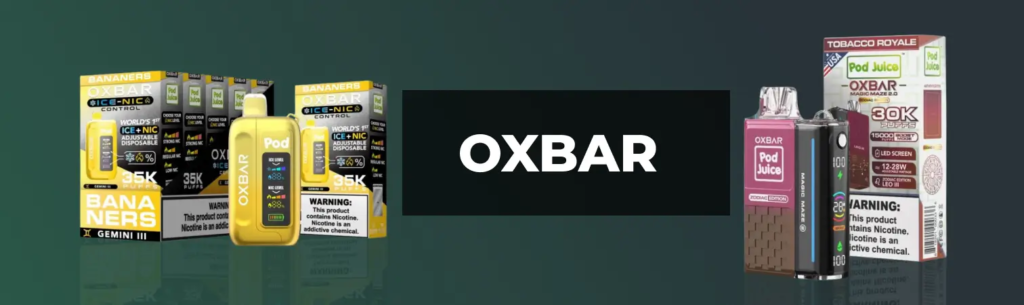
The development of vaping devices has introduced a wide range of formats designed around different preferences, including refillable systems, pod devices, and disposable products. As technology has evolved, many manufacturers have focused on creating compact devices that combine convenience, portability, and simplified operation.
Oxbar vapes represent a category of disposable vaping devices designed with an integrated structure. These devices typically combine a battery, heating system, and e-liquid chamber into one compact unit, reducing the need for separate components or regular maintenance. Understanding how disposable vape technology works, what features define these devices, and how they compare with other formats provides useful insight into this category.
What Are Oxbar Vapes?
Oxbar vapes are disposable electronic vaping devices designed as ready-to-use products. Unlike traditional refillable vape systems that require separate e-liquid bottles, replacement coils, or manual adjustments, disposable devices are generally created with their essential components already assembled.
The main parts of a disposable vape usually include:
- Built-in battery
- Heating coil
- E-liquid reservoir
- Airflow system
- Mouthpiece
These components work together to create an integrated vaping device. The compact design allows manufacturers to combine multiple functions into a smaller structure, making disposable devices different from larger vaping systems.
The exact specifications of disposable vape products can vary depending on the model, including battery capacity, e-liquid capacity, flavour options, and device design.
How Do Disposable Vape Devices Work?
The operation of Oxbar vapes follows the same basic principles used by many electronic vaping devices.
When the device is activated, power from the internal battery is delivered to the heating element. The coil then heats the e-liquid contained inside the device, creating an aerosol that travels through the airflow pathway before reaching the mouthpiece.
The process can be divided into three main stages:
Battery Activation
The battery provides the energy needed to operate the heating system. Disposable devices typically contain a battery designed to match the expected lifespan of the product.
Heating Process
The heating coil warms the e-liquid to create an aerosol. The design of the coil can influence factors such as vapour production and flavour delivery.
Aerosol Delivery
The airflow system directs the aerosol toward the mouthpiece, where it can be inhaled according to the device design.
Because the components are integrated, disposable devices generally require fewer setup steps compared with refillable systems.
What Features Define Disposable Vape Technology?
Several design elements influence how disposable vape products are developed.
Compact Design
Portability is one of the main characteristics of disposable vaping devices. Their smaller size allows them to be carried more easily compared with larger electronic systems.
Integrated Components
Disposable devices combine the battery, heating system, and liquid storage into one unit. This reduces the number of separate parts users need to manage.
Simple Operation
Many disposable devices are designed with straightforward operation. Unlike advanced systems with adjustable settings, disposable products generally focus on ease of use.
Flavour Variety
Flavour options are an important part of the disposable vape category. Products may include fruit-inspired, cooling, beverage-inspired, or blended flavour profiles depending on availability and regulations.
How Are Disposable Vapes Different From Refillable Devices?
Disposable and refillable vaping systems are designed for different types of experiences.
Refillable devices generally provide more flexibility because users can replace e-liquid, change coils, and sometimes adjust settings. However, these systems may require more maintenance and familiarity with device components.
Disposable devices focus on convenience by providing a complete product format. A device such as Oxbar vapes follows this approach by combining the necessary components into a single structure.
The main differences between the two categories include:
- Maintenance requirements
- Customisation options
- Replacement methods
- Device lifespan
- Overall design
The choice between these formats depends on individual preferences regarding convenience and device management.
What Should Be Considered When Choosing Disposable Vape Products?
When reviewing disposable vape devices, several factors can help provide a better understanding of the product.
Product Specifications
Information such as battery details, device structure, and available options can help users compare different products.
Storage Requirements
Electronic devices should be stored properly to protect internal components. Avoiding excessive heat, moisture, and direct sunlight can help maintain product condition.
Applicable Regulations
Vaping regulations differ between locations and may affect product availability, packaging requirements, and permitted specifications. Reviewing local requirements and product information is important.
How Has Vape Technology Developed Over Time?
Electronic vaping technology has changed significantly since early devices entered the market. Earlier designs often focused on replicating traditional cigarettes, while newer products have introduced different shapes, battery systems, and integrated structures.
The growth of disposable devices reflects a broader trend toward compact electronics and simplified user experiences. Manufacturers continue to explore improvements in battery efficiency, airflow systems, device construction, and overall usability.
Oxbar vapes are part of this wider development within the disposable vape category, where manufacturers focus on combining essential functions into portable designs.
Responsible Handling of Electronic Vape Devices
Like other electronic products, vape devices require responsible handling. Users should follow manufacturer instructions, avoid modifying devices, and store products safely.
Disposable vape devices may contain batteries and electronic components, meaning they should be disposed of appropriately according to local waste management guidance where available.
Proper storage and disposal practices help support safer handling of electronic consumer products.
Conclusion
Oxbar vapes represent a disposable vape format built around integrated components, compact construction, and simplified operation. Understanding how these devices function, how they differ from refillable systems, and what factors influence their design provides a clearer overview of modern vaping technology. When exploring disposable vape categories through retailers such as Zmarksthespot, reviewing product specifications, device information, and applicable regulations can help provide a better understanding of available options. As electronic vaping technology continues to develop, disposable devices remain one of several formats shaped by changing designs, portability requirements, and advances in electronic components.