Most candle makers I know spend months getting the scent right and about an afternoon choosing the box. Then the reviews come in. One says the jar arrived cracked. Another says the candle looked cheap next to the one beside it on the shelf.
Packaging has two jobs that don’t get along. It must survive a long trip in a delivery van and look good enough for a stranger to pick it up in a shop. In the US, where parcels travel far, and candles are among the most common gifts, a box that does only one of those jobs isn’t enough.
Glass is the first problem
Most candles sit in glass jars, and glass breaks. A cracked candle means a refund, a replacement, postage both ways and usually a bad review, all on a product that sold for around twenty-five dollars.
So the box needs some backbone. Thin folding board looks great in a mockup but gets crushed when parcels pile up in a sorting hub. Movement is the quieter problem. If the jar can slide around, it will hit the wall of the box sooner or later, and hairline cracks follow. A snug insert fixes most of it. For sets of two or three candles, separate cells matter even more, because jars knocking into each other is the top reason gift sets arrive broken.
Here’s a quick comparison of the usual insert options:
| Insert type | Best for | Protection | Cost | Things to know |
| Paperboard divider | Single jars, light candles | Medium | Low | Recyclable, easy to assemble |
| Molded pulp | Heavier jars, eco brands | High | Low to medium | Holds shape well, looks natural |
| Foam cut-out | Premium or fragile candles | High | Medium to high | Fits exactly, but not recyclable |
| Corrugated cells | Multi-candle gift sets | High | Medium | Keeps jars from touching each other |
Heat is real
New sellers tend to forget the weather. A candle riding through Phoenix in July has a very different trip from one going from Ohio to Michigan in October. Wax softens, labels lift, and jars can sweat when a warm box cools down again.
You can’t change the climate, but you can plan for it. Use decent adhesives, keep the jar away from the outer wall, and think about whether shipping to the hottest states in midsummer is worth the risk. Some small brands just pause those routes for a few weeks. That’s not giving up, it’s sensible.
Why shape matters on the shelf
In a shop, a candle gets maybe two seconds. People react to the shape and colour of the box before they read a word.
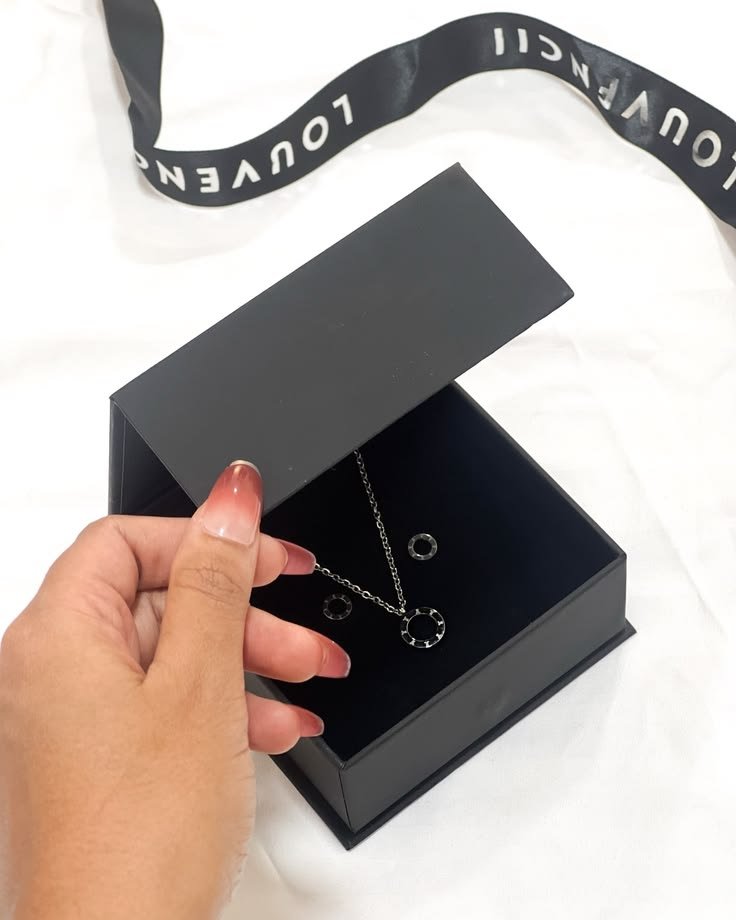
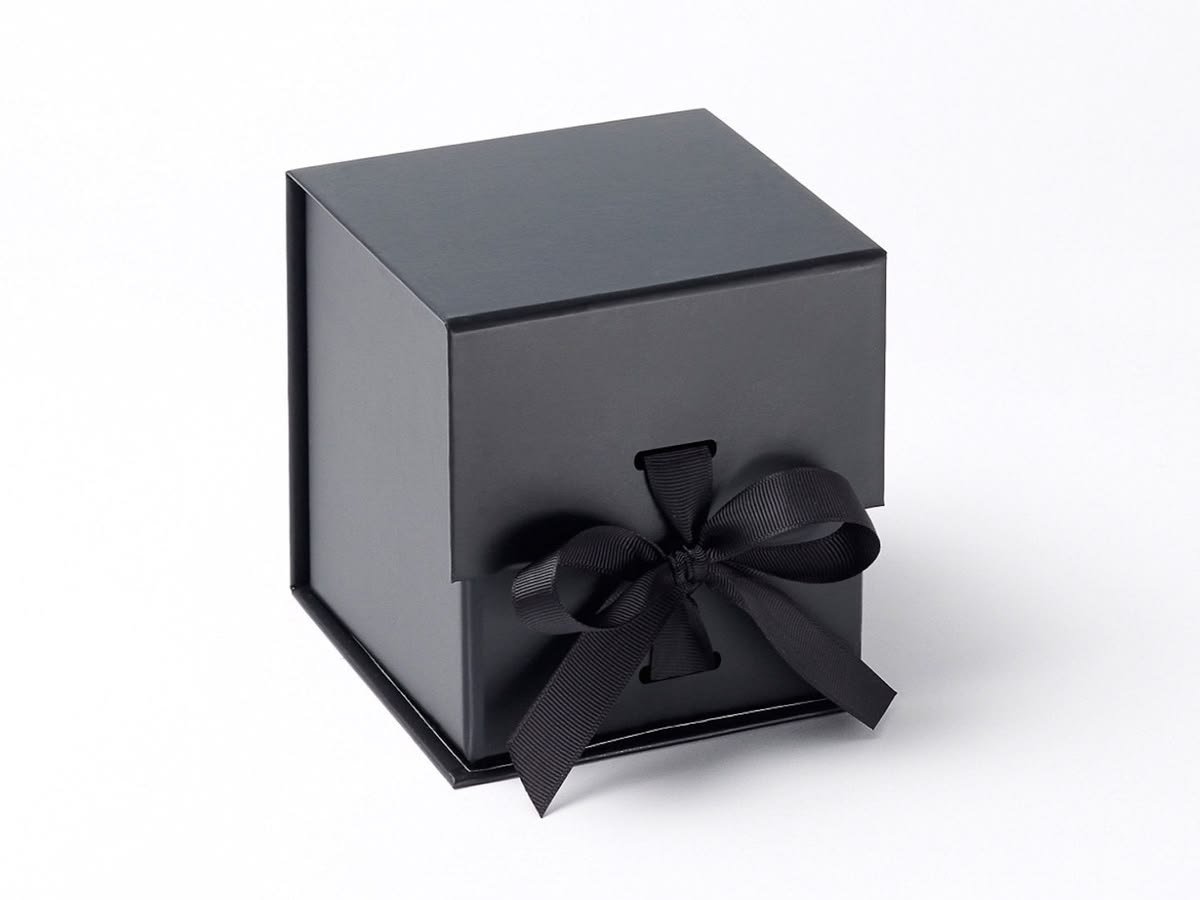
That’s where a cube designed candle box with ribbon does well. A square box wraps a standard jar with very little wasted space, so you aren’t paying to ship empty air. It stacks neatly, looks tidy on display, and photographs well for online listings. The ribbon makes it feel like a gift before anyone has touched wrapping paper, which suits all those birthday and housewarming purchases. It also keeps the lid closed, and pulling a ribbon feels nicer than peeling tape.
The boring part: labelling
US candle packaging must include certain details, such as warnings, burn instructions, and net weight. Many makers follow ASTM guidance for warning labels, and bigger retailers often add their own rules for barcodes and placement.
Plan this space early. Squeezing a warning panel onto a finished design always looks cramped. If you leave a clean back or side panel from the start, the front stays free for your name and scent story.
Scent itself is a challenge, because nobody can smell a sealed box. The design has to speak for it. A deep green box with a small pine sprig says one thing, and a pale pink one with dried flowers says another. Put the scent name on the front in letters people can read from arm’s length.
Materials and what customers notice
Foil, embossing and spot gloss can raise the look further, but each adds cost. Pick one or two details customers will actually see instead of using all of them. Sustainability counts too. Plenty of American shoppers check whether packaging is recyclable before buying, so if your inserts are paper and not plastic, say so on the box. It costs nothing.
Two customers, one box
The same candle often reaches two different people. The online buyer meets it on the doorstep and cares whether it arrived in one piece. The shopper in a boutique sees only the front of the box from a few feet away.
Design for both and you won’t need two versions. Mail a candle to a friend in another state, then put one on a shelf and walk to the other side of the room. Ten minutes of that will teach you more than a week of staring at a screen.
When you start ordering in bulk
Once orders grow, consistency is everything. Every box needs the same size, the same color and the same fit around the jar. A small sizing drift can lead to loose candles or lids that won’t close, slowing your packing line.
Always get a physical sample before approving a run, and test it with a filled candle rather than an empty jar. Close the lid a dozen times, tug the ribbon, shake it gently and listen for movement. If you can, send a test parcel through the real postal system.
Quick checklist
| Question to ask | Why it matters |
| Can the box protect the glass from drops and side pressure? | Fewer cracked jars and refunds |
| Does an insert stop the candle from moving? | Prevents hairline cracks in transit |
| Will it survive a hot delivery truck? | Protects wax, labels and finish |
| Is there room for warnings and a barcode? | Keeps you compliant and shelf-ready |
| Does it look good on a shelf and feel good to open? | Drives both retail and online sales |
| Was it tested with a real candle? | Catches fit problems before production |
Final thoughts
There’s no single formula for good candle packaging. It’s a trade-off between toughness, looks and rules, and every brand lands in a slightly different place. But the ones that treat the box as part of the product, not an afterthought, tend to see fewer breakages and happier customers.