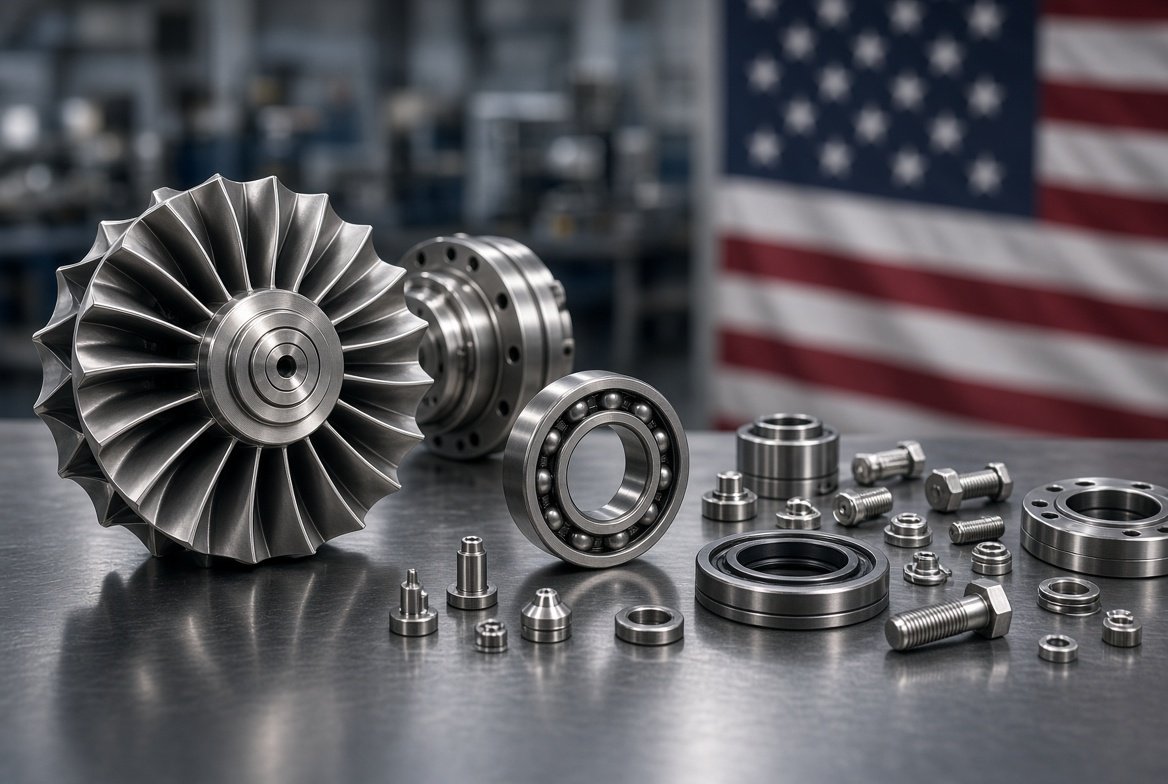
The aviation industry in the United States depends on components that meet the highest standards of safety, performance, and regulatory compliance. Quality aircraft parts USA represent far more than simple replacements; they form the foundation of airworthiness for commercial airliners, regional jets, business aircraft, and general aviation fleets.
Every bolt, actuator, power generation unit, or structural element must conform to rigorous design and manufacturing criteria established by the Federal Aviation Administration so that operators can maintain continuous operations without compromising passenger or crew safety. In an environment where aircraft often remain in service for decades, the availability of certified, traceable parts becomes essential to keeping the nation’s air transportation system reliable and efficient.
The Critical Role of Certification and Regulatory Oversight
Federal regulations require that replacement parts installed on type-certificated aircraft either originate from the original equipment manufacturer or hold a Parts Manufacturer Approval. These approvals confirm that the component matches the approved design in form, fit, and function and that production processes remain under continuous FAA surveillance. Traceability documentation accompanies every legitimate part, establishing its manufacturing history, inspection records, and conformity to approved data.
Without such documentation, a part cannot legally enter service. This framework protects the integrity of the entire fleet, from large transport-category airplanes to smaller piston-powered aircraft that continue flying well beyond their original design life. Operators who insist on certified quality aircraft parts USA therefore reduce the risk of unapproved parts entering the supply chain while simultaneously satisfying insurance and lessor requirements that increasingly demand full documentation.
Benefits of High-Standard Aftermarket and OEM Components
Sourcing quality aircraft parts delivers measurable operational advantages. Certified alternatives often cost substantially less than new original equipment while delivering equivalent reliability and service life. When combined with proper inventory planning, these parts shorten aircraft-on-ground time by ensuring rapid availability. Exchange pools and consignment arrangements further improve responsiveness, allowing maintenance teams to remove a failed unit and install a serviceable replacement within hours rather than days.
Lifecycle cost analyses consistently show that operators who select properly approved components achieve lower overall maintenance expense without sacrificing dispatch reliability. In addition, many quality parts undergo enhanced testing on specialized stands that verify performance under realistic load and environmental conditions, giving maintenance organizations additional confidence before installation.
Supply Chain Resilience and Inventory Strategies
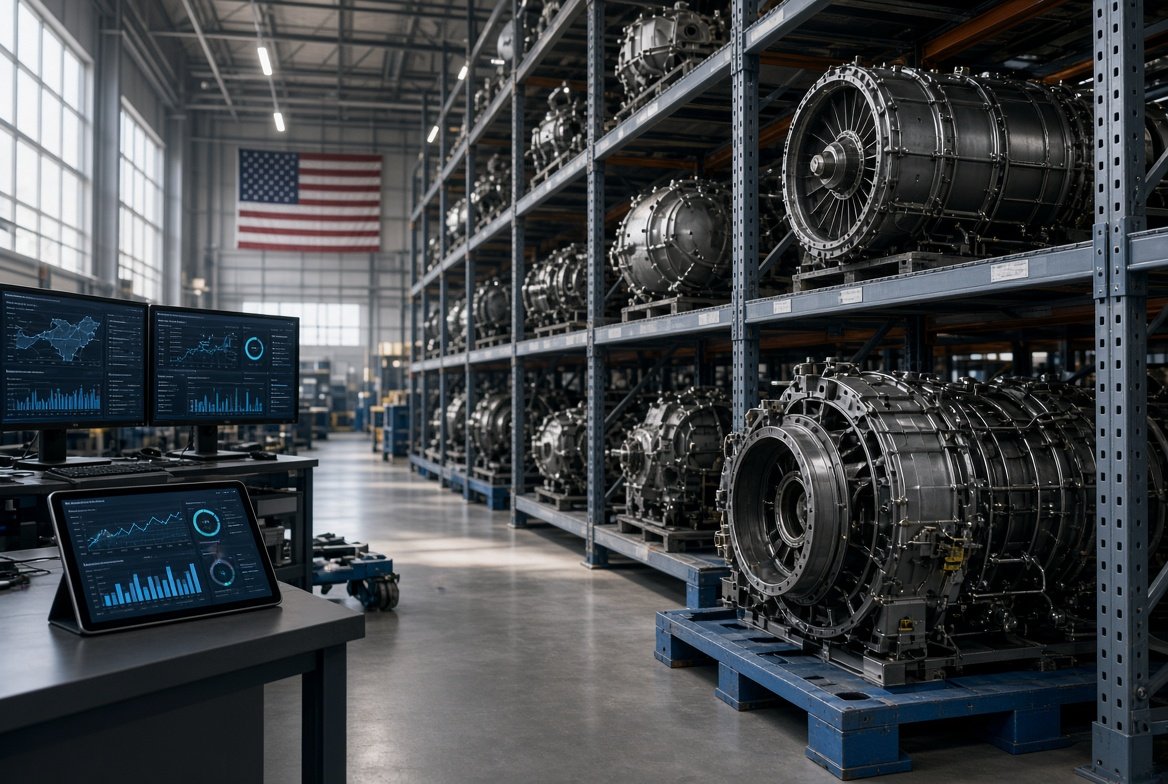
Modern aviation supply chains face periodic disruption caused by material shortages, geopolitical factors, and the aging of the general aviation fleet. Quality aircraft parts USA suppliers address these challenges through strategic stocking of both expendable and rotable components across major commercial platforms and rotary-wing types. Proprietary inventory-management tools help operators optimize stock levels, identify surplus material that can be redeployed, and forecast demand for soon-to-be-retired aircraft.
Worldwide logistics networks capable of handling hazardous materials and providing same-day courier service further strengthen resilience. When a critical work-stoppage situation arises, the ability to locate and ship a certified part quickly determines whether an aircraft returns to revenue service on schedule or remains grounded for an extended period. Companies such as Vantage Air Support specialize in these integrated stocking and procurement solutions, supporting operators and maintenance organizations with both fixed-wing and rotary-wing material needs.
Traceability, Counterfeit Prevention, and Long-Term Airworthiness
Counterfeit and unapproved parts pose an ongoing threat to aviation safety. Robust quality systems incorporate multiple verification steps, including independent checks against FAA databases, review of material certifications, and confirmation of AS9100 or equivalent quality-management registration. Serial-number tracking, batch records, and configuration control ensure that every part can be traced from raw material through final inspection.
This level of documentation also supports future airworthiness directives and service-bulletin compliance, because operators can quickly determine whether a given component is affected. Over the long term, consistent use of quality aircraft parts preserves residual aircraft value and simplifies transitions between operators or lessors who demand complete historical records.
Supporting Commercial, Regional, and General Aviation Fleets
The same principles of quality and certification apply across the full spectrum of United States aviation. Commercial carriers flying Boeing, Airbus, Embraer, and Bombardier aircraft require nose-to-tail support for systems ranging from air conditioning and hydraulics to power generation and landing gear.
Regional and business-aviation operators face similar needs on a smaller scale, while the general-aviation community relies on parts that keep aging piston and turboprop aircraft airworthy. In each segment, the combination of original-equipment components, FAA-approved alternatives, and carefully managed repair and overhaul services sustains fleet availability. Continuous investment in test equipment, technician training, and digital inventory platforms ensures that quality aircraft parts remain accessible even as aircraft designs evolve and older models require specialized support.