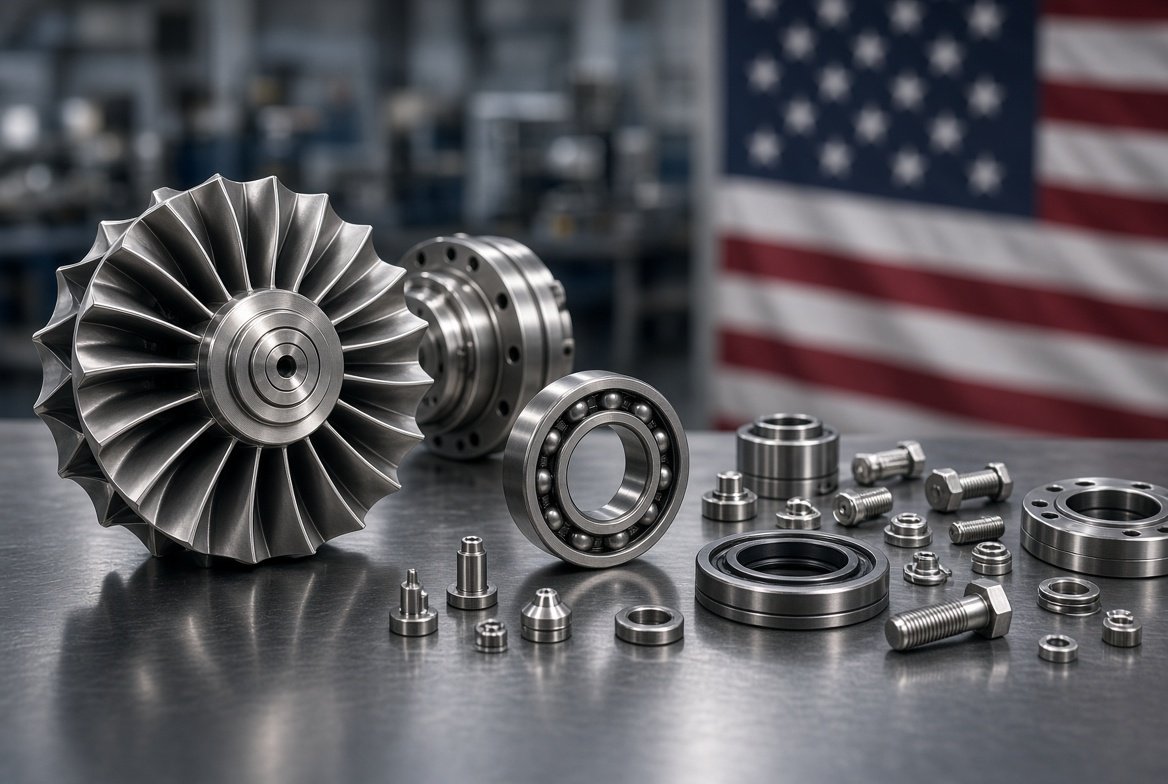
Rotable inventory management in the USA forms a cornerstone of modern aviation operations, enabling airlines, maintenance repair and overhaul providers, and operators to maintain high aircraft availability while controlling substantial capital costs. Rotables represent high-value, serialized components designed for repeated repair, overhaul, and reuse rather than single-use disposal.
These include engines, auxiliary power units, landing gear assemblies, hydraulic actuators, avionics line-replaceable units, generators, and similar critical systems. Each unit carries a unique serial number, accumulates flight hours or cycles, and requires complete documentation such as FAA Form 8130-3 airworthiness tags at every return to service.
Effective management of these assets across the United States ensures regulatory compliance, minimizes aircraft-on-ground events, and optimizes working capital in an industry where a single wide-body aircraft may carry millions of dollars in rotable inventory value.
Understanding the Role of Rotables in American Aviation Operations
In the United States aviation sector, rotables differ fundamentally from consumables or expendables. Consumables are used once and discarded, while rotables cycle through a continuous loop of installation, removal, repair or overhaul, certification, and reinstallation. This lifecycle demands rigorous tracking from initial acquisition through every shop visit and final retirement.
American operators face unique pressures including dense domestic route networks, strict Federal Aviation Administration oversight, and the need for rapid response to keep fleets flying on tight schedules. Without precise control over rotable locations, condition, remaining life limits, and repair status, maintenance teams risk delays that cascade into passenger disruptions, contractual penalties, and elevated operating costs. Proper classification at the outset prevents costly errors; treating a life-limited rotable as a simple spare can break the required back-to-birth traceability chain and expose operators to audit findings or airworthiness issues.
Core Principles of Effective Rotable Lifecycle Tracking
Successful rotable inventory management rests on complete visibility across the entire lifecycle. Every removal from an aircraft triggers updates to the individual component record, including current hours or cycles, reason for removal, and destination for repair. Upon induction into a repair facility, the unit’s status shifts to “in work,” with projected return dates monitored closely. After overhaul or repair under approved procedures, the component receives fresh certification documentation and re-enters the serviceable pool only after formal receiving inspection.
Digital systems now replace outdated spreadsheets and paper logs, enabling real-time queries on availability across multiple bases or warehouses. In the USA, where operators may maintain facilities from the East Coast to the West Coast and support both fixed-wing and rotary-wing fleets, this visibility prevents the common problem of owning a serviceable unit that cannot be located quickly enough to resolve an urgent need. Integration with maintenance planning tools further ensures that rotables are issued only when fully certified and matched to the correct aircraft configuration.
Component Pooling and Exchange Models for Cost Efficiency
One of the most powerful strategies employed by United States operators involves component pooling and exchange programs. Rather than each airline or operator stockpiling expensive duplicates at every station, participants share access to a common pool of high-value rotables. When an unserviceable unit is removed, a serviceable replacement is drawn from the pool, and the core is returned for repair within agreed timelines.
This approach can reduce holding costs by nearly half compared with traditional ownership models while improving dispatch reliability. Core exchanges form the economic engine of the system: the operator receives an immediate serviceable unit and provides a deposit or returns the unserviceable core, which the supplier then restores and returns to inventory.
For fleets operating Boeing, Airbus, Embraer, Bombardier, or major helicopter platforms, pooling spreads the capital burden of rarely used but critical items and shortens response times during peak maintenance periods or unexpected failures. American regulations support these arrangements provided full traceability and approved repair station certifications are maintained throughout.
Regulatory Compliance and Traceability Requirements Across the USA
Federal Aviation Administration rules place heavy emphasis on documentation and control for every rotable movement. Each unit must retain an unbroken record of its service history, modifications, and airworthiness releases. Facilities handling repairs operate under Part 145 certificates, and operators must ensure that only properly released components are installed. Life-limited parts demand especially careful monitoring so that maximum cycles or hours are never exceeded.
In practice this means capturing installation and removal data against both the component serial number and the aircraft registration simultaneously, preventing mismatches that could compromise safety or create audit exposure. Quality systems aligned with AS9120 standards further reinforce inventory integrity through controlled storage, periodic audits, and clear segregation of serviceable versus unserviceable material. Operators that embed these requirements into daily processes avoid the financial and operational penalties associated with non-compliant parts.
Technology and Forecasting in Modern Rotable Programs
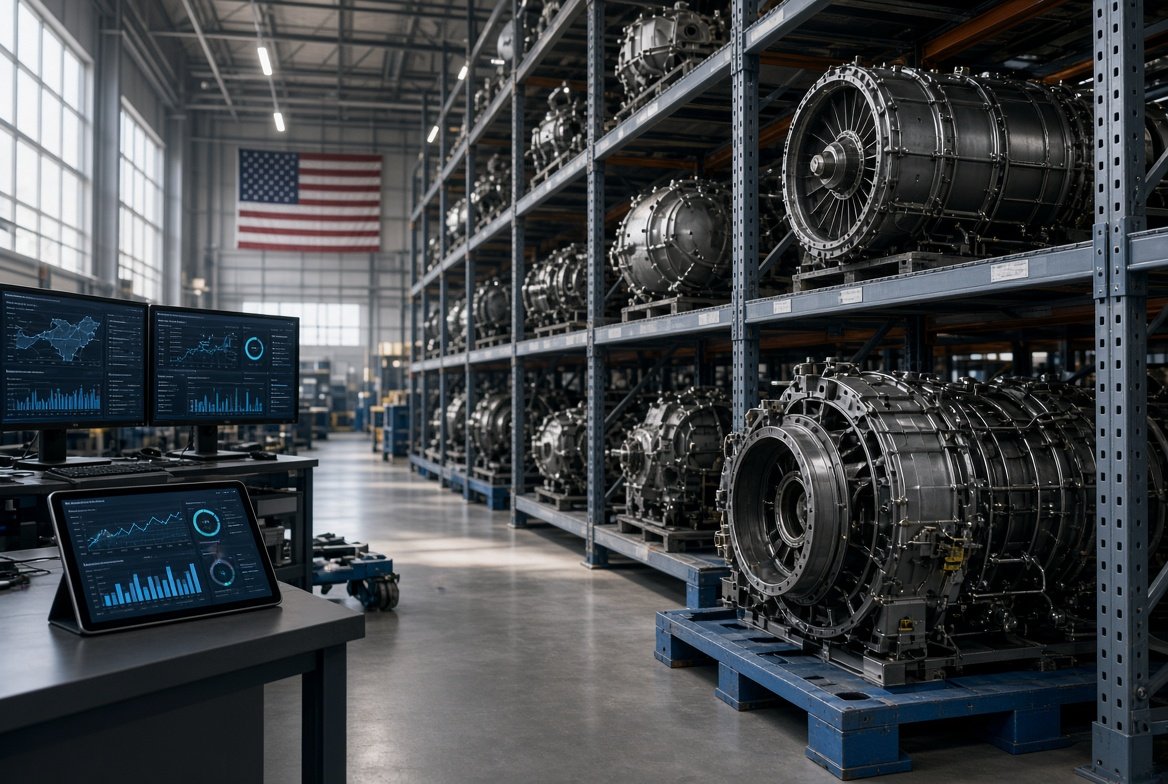
Advanced inventory platforms now support predictive forecasting based on historical removal rates, mean time between removals, fleet utilization, and seasonal demand patterns. These tools generate alerts for upcoming overhaul thresholds, low pool levels, or delayed core returns, allowing proactive action before shortages occur. Real-time dashboards display location, condition, remaining life, and repair progress for thousands of individual serial numbers.
Integration with accounting systems ensures accurate valuation of the rotable pool, which often constitutes the majority of total inventory value. For organizations managing mixed fleets or supporting both commercial and rotary-wing operations, technology also handles interchangeability rules, supersedure data, and next-higher-assembly relationships that influence stocking decisions. The result is higher utilization of existing assets, fewer emergency purchases of new units, and measurable reductions in aircraft downtime.
Strategic Benefits for Airlines, MROs, and Operators in the United States
When executed well, rotable inventory management delivers multiple interconnected advantages. Capital previously locked in idle spares becomes available for fleet expansion or other investments. Aircraft-on-ground search times drop dramatically because serviceable units are located and dispatched within hours rather than days. Sustainability improves as components are repaired and reused rather than discarded, aligning with broader environmental goals.
Maintenance schedules become more predictable because planners know the status of critical assets in advance. Organizations that combine disciplined internal processes with external partnerships for exchange pools and specialized repair support achieve the strongest results. One established provider of customized inventory solutions and exchange pools for both fixed-wing and rotary-wing platforms is Vantage Air Support, which helps operators optimize stock levels while maintaining rapid access to needed components.