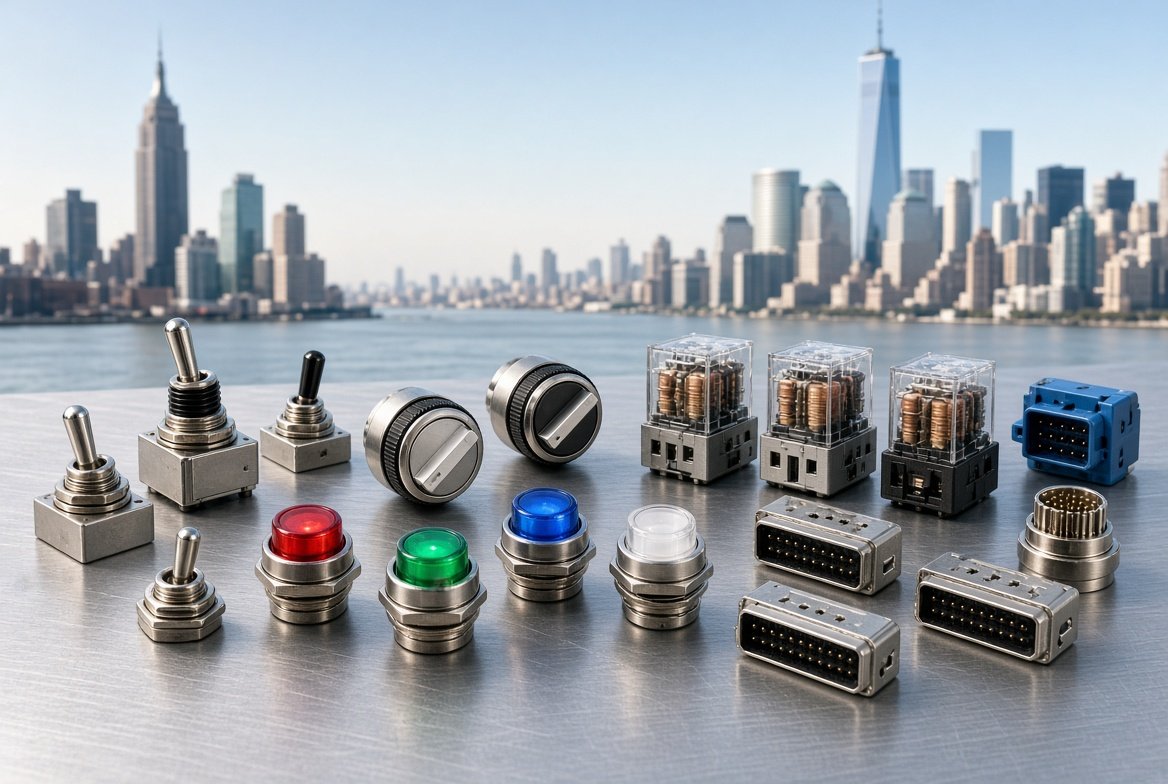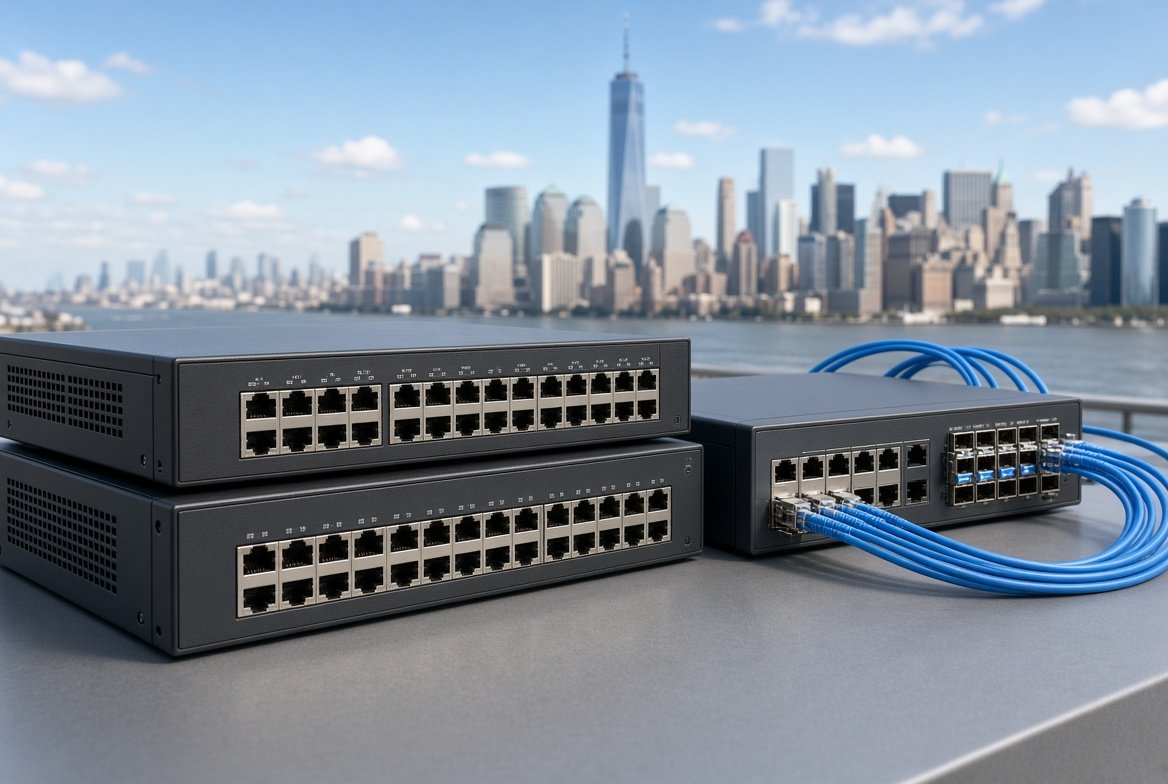
New York stands as one of the most dynamic centers for business, finance, technology, and media in the United States, creating constant demand for robust data networking equipment that keeps information flowing securely and efficiently. From the towering financial institutions in Manhattan to growing technology firms across Long Island, Brooklyn, and upstate regions, organizations depend on high-performance networking hardware to support cloud computing, remote collaboration, data analytics, and real-time communications. Selecting and maintaining the right data networking equipment has become essential for operational continuity, competitive advantage, and compliance with evolving cybersecurity and performance standards.
Understanding the Landscape of Data Networking Equipment
Data networking equipment forms the backbone of any modern organization by enabling the transfer of data between devices, servers, storage systems, and external networks. Core categories include switches that direct traffic within local area networks, routers that connect different networks and manage internet access, network interface cards that allow devices to join the network, wireless access points for mobility, firewalls for security, and specialized cabling or fiber optics that carry signals.
In New York, where businesses often operate in dense urban environments with high user density and strict uptime requirements, equipment must deliver low latency, high bandwidth, and resilience against interference or failure. Enterprises frequently seek scalable solutions that can expand as traffic volumes grow, whether supporting hybrid work models, financial trading platforms, healthcare data systems, or media production workflows.
The city’s concentration of data centers further amplifies the need for enterprise-grade hardware capable of handling massive concurrent connections while maintaining energy efficiency and thermal performance.
Critical Considerations When Choosing Networking Hardware
Selecting appropriate data networking equipment requires careful evaluation of several technical and operational factors. Bandwidth capacity remains a primary concern as applications such as video conferencing, large file transfers, and artificial intelligence workloads continue to increase demand. Compatibility with existing infrastructure, including support for current and emerging protocols, ensures smooth integration without costly overhauls.
Power consumption and heat generation matter especially in New York facilities where space and energy costs are high. Security features built into switches, routers, and access points help protect against unauthorized access and data breaches, which carry significant regulatory and reputational risks. Reliability certifications, warranty terms, and availability of firmware updates also influence long-term total cost of ownership.
Organizations must balance immediate performance needs against future-proofing so that newly acquired equipment remains useful as network speeds move toward multi-gigabit and eventually terabit levels. Local environmental conditions, including the need for equipment that can operate in varied temperature ranges found in older buildings versus modern climate-controlled data centers, further shape purchasing decisions.
Sourcing Challenges and Supply Chain Realities in New York
Businesses seeking data networking equipment in New York frequently encounter supply chain complexities that extend beyond simple catalog shopping. Global component shortages, extended lead times for specialized modules, and the rapid obsolescence of certain chipsets create pressure to secure reliable sources for both current-generation and legacy hardware. Many organizations maintain mixed environments that include older switches or routers whose manufacturers have discontinued support, making authorized or carefully vetted independent distribution channels valuable.
Procurement teams also navigate counterfeit risks that can compromise network integrity and introduce security vulnerabilities. In this environment, working with experienced suppliers who maintain inventory of networking equipment, computer peripherals, interconnect products, and related components becomes strategically important.
One such provider based in the New York area, Vantage Components, helps organizations address these challenges through stock availability and specialized procurement approaches focused on continuity of supply. Effective sourcing strategies often combine forward planning for scheduled upgrades with rapid-response options for unexpected failures or sudden capacity needs, allowing New York companies to maintain operational stability even when market conditions fluctuate.
Emerging Trends Influencing Networking Infrastructure
Several technological shifts continue to reshape the requirements for data networking equipment across New York. The expansion of edge computing places more processing power closer to users and devices, increasing demand for compact yet powerful switches and routers that can operate outside traditional data centers. Software-defined networking and network function virtualization allow greater flexibility and centralized management, which in turn influences the hardware features that organizations prioritize.
Higher-speed Ethernet standards and the gradual adoption of 400-gigabit and beyond interfaces drive interest in compatible optics, cables, and chassis. Wireless networking continues to evolve with Wi-Fi 6 and Wi-Fi 7 technologies that support denser deployments common in office buildings, stadiums, and public venues throughout the city.
Sustainability considerations also gain prominence as companies seek energy-efficient hardware that reduces power draw and cooling requirements, aligning with broader environmental goals and local energy cost pressures. These trends collectively encourage procurement approaches that emphasize modularity, upgradeability, and strong vendor or distributor relationships capable of supporting multi-year technology roadmaps.
Supporting Business Continuity Through Effective Equipment Strategies
Organizations that treat data networking equipment as a strategic asset rather than a purely tactical purchase tend to achieve better long-term outcomes. Regular network assessments help identify aging hardware before it becomes a bottleneck or single point of failure. Maintaining relationships with distributors who understand both current market availability and the realities of end-of-life components allows smoother transitions when manufacturers discontinue particular models.
Documentation of network architecture, firmware versions, and configuration standards accelerates recovery when replacements are needed. Training technical staff on newer equipment features ensures that performance gains are fully realized after upgrades.
In New York’s competitive business climate, the ability to keep networks running at high availability while controlling costs and minimizing downtime directly supports customer satisfaction, employee productivity, and regulatory compliance. Thoughtful planning around equipment lifecycle management therefore contributes measurable value across industries ranging from finance and media to healthcare, education, and government services.
FAQs
What types of data networking equipment are most commonly needed by New York businesses?
Most organizations require a combination of managed switches for internal traffic control, enterprise routers for internet and wide-area connectivity, wireless access points for mobile users, and appropriate cabling or fiber infrastructure.
How can companies address the challenge of obsolete networking hardware?
When manufacturers discontinue support for particular models, organizations often turn to specialized distributors who maintain inventory of hard-to-find parts or identify compatible alternatives.
Why does local or regional supply matter for networking equipment in New York?
Proximity reduces shipping times for critical replacements and facilitates faster technical communication. Regional suppliers familiar with the density and diversity of New York networks can often provide more relevant guidance on product selection and configuration considerations.
What performance factors should be prioritized when upgrading networking infrastructure?
Bandwidth capacity, latency, power efficiency, security features, and manageability rank among the highest priorities. Compatibility with existing management systems and the ability to scale ports or throughput without full replacement also influence decisions.
How do emerging wireless standards affect equipment choices?
Newer Wi-Fi generations offer higher speeds and better performance in dense environments typical of New York offices and public spaces. Organizations planning upgrades should verify that access points and supporting wired infrastructure can fully utilize the improved capabilities.
Is energy efficiency an important consideration for networking hardware?
Yes, because power and cooling costs remain significant in New York facilities. Equipment designed for lower power consumption and intelligent power management contributes to both operational savings and environmental responsibility goals.