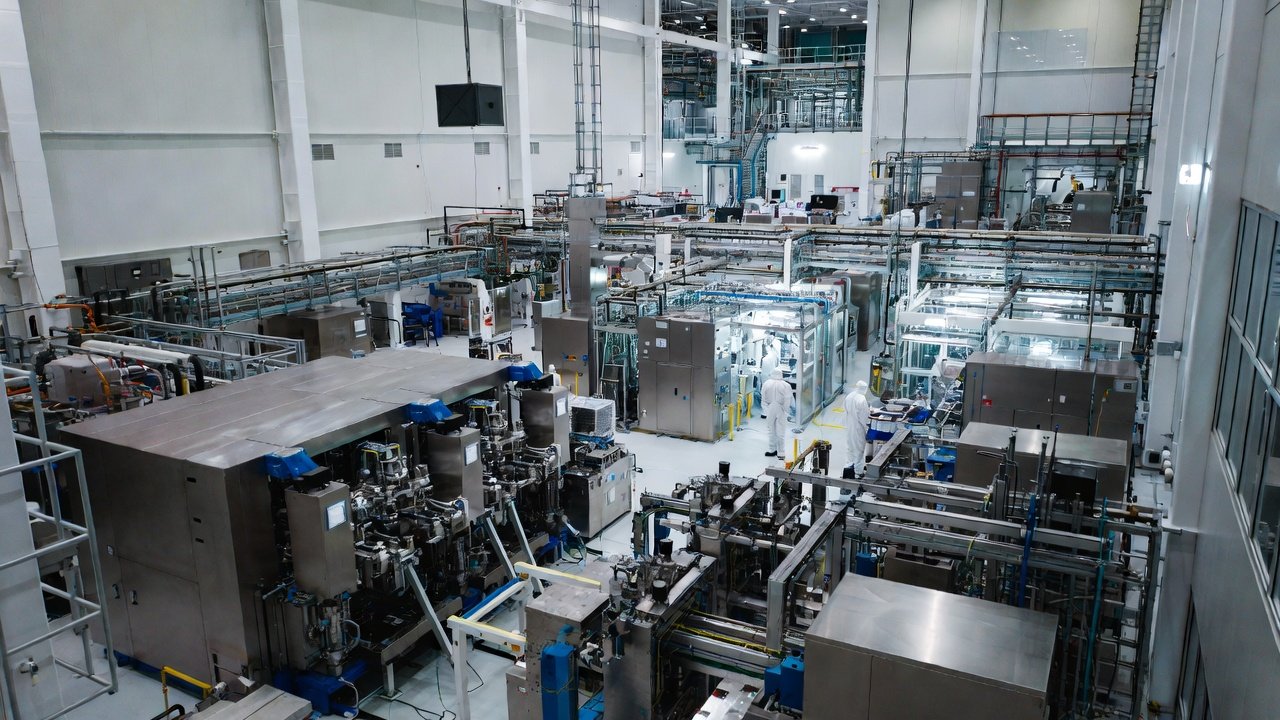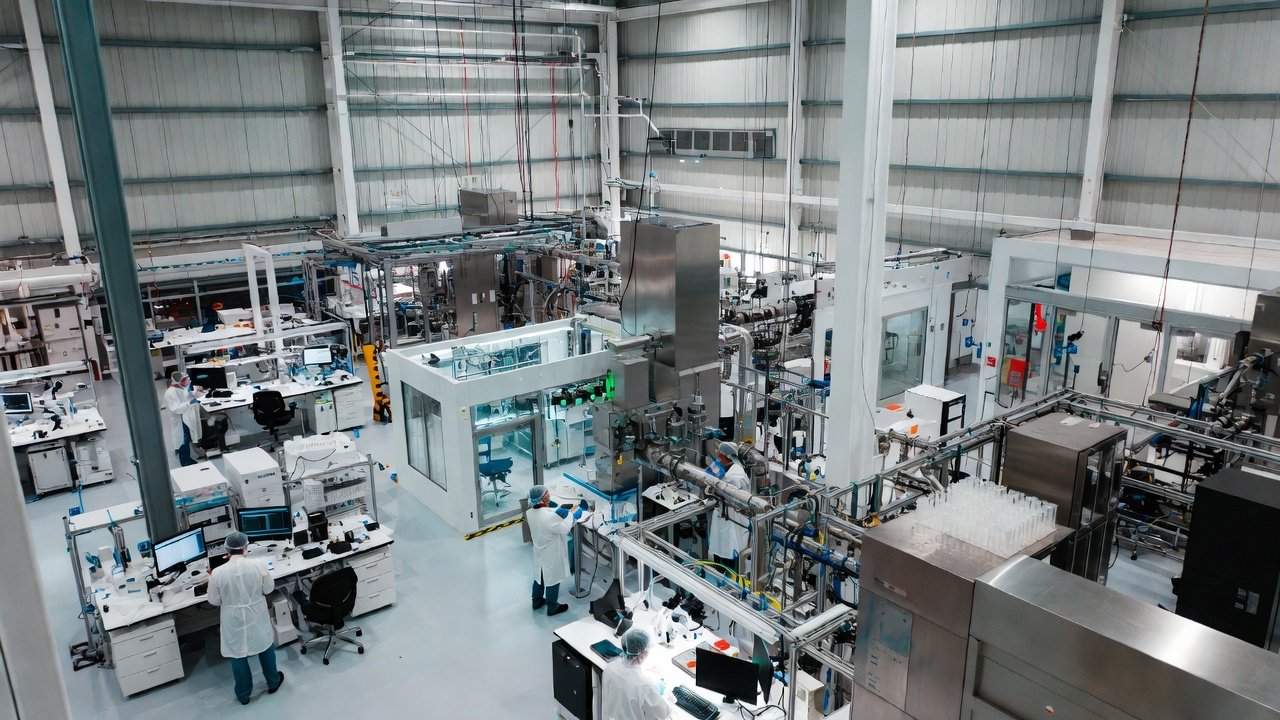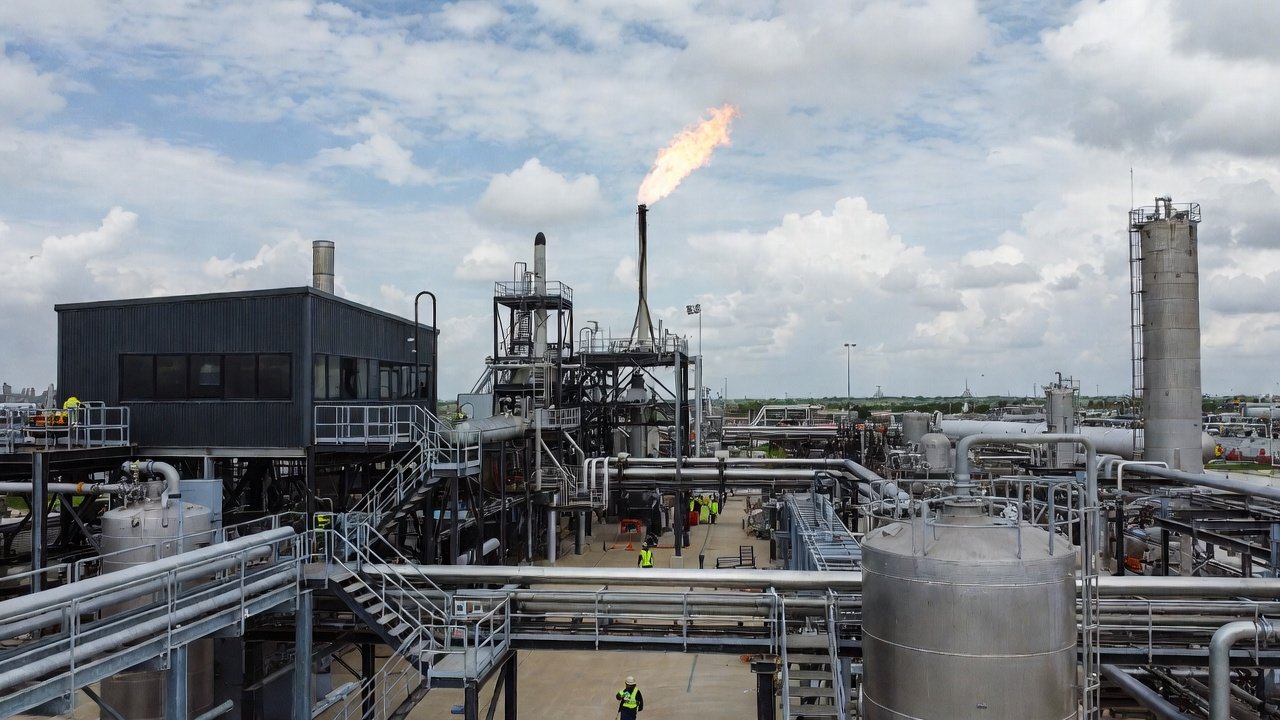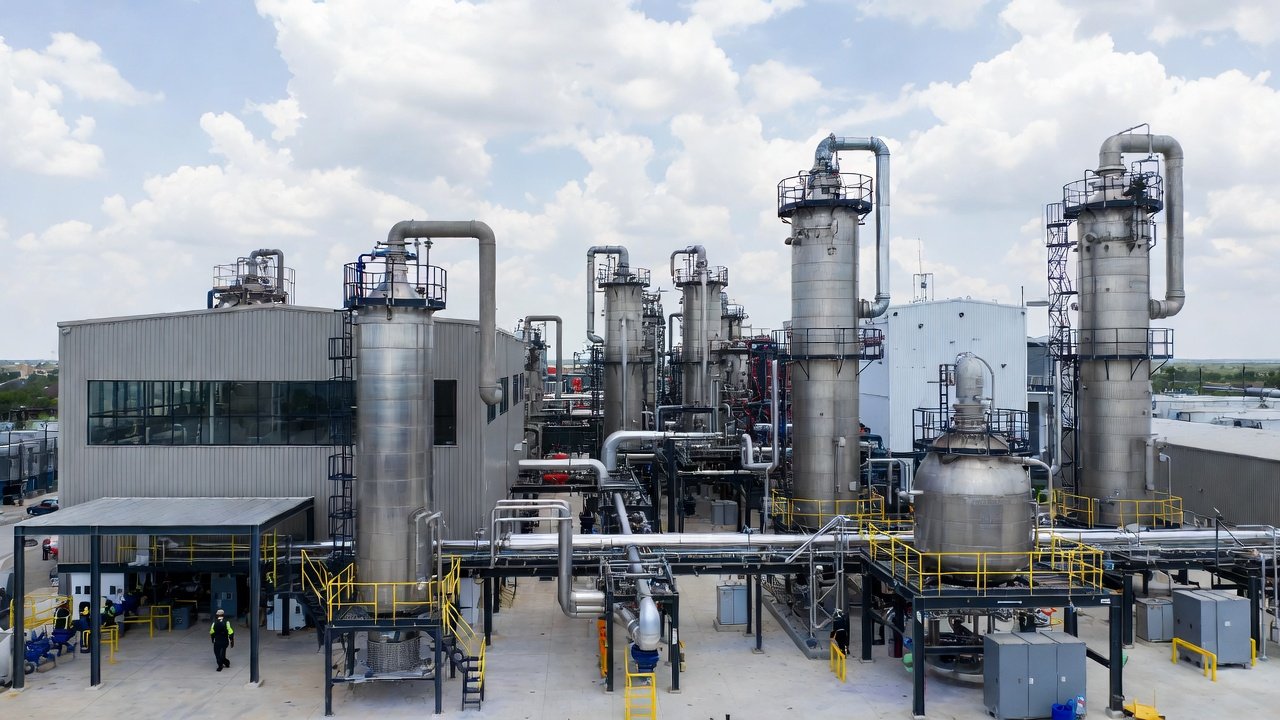
Austin, Texas, has long been recognized as one of the fastest-growing metropolitan areas in the United States, and its industrial landscape has evolved significantly alongside that growth. While the city is globally celebrated for its technology sector and startup ecosystem, the chemical processing industry in Austin plays an equally vital yet often understated role in driving economic development, supporting advanced manufacturing, and supplying critical materials to a wide range of downstream sectors. From semiconductor fabrication facilities and specialty chemical manufacturers to water treatment operations and petroleum-derived product processors, Austin’s chemical processing sector represents a diverse and technically sophisticated ecosystem that continues to attract investment, talent, and innovation from across the country and the world.
Understanding the Role of Chemical Processing in Austin’s Economy
The chemical processing industry encompasses a broad spectrum of activities that transform raw materials into usable products through physical, chemical, or biological processes. In Austin, this industry is deeply embedded in the city’s broader industrial fabric, particularly in areas such as semiconductor manufacturing, advanced materials production, environmental remediation, and life sciences. The presence of major technology companies and research institutions such as the University of Texas at Austin has created a fertile environment for chemical processing operations that support high-tech industries. Companies engaged in chemical processing in Austin range from large multinational corporations with established campuses in the region to innovative small and medium-sized enterprises that supply specialty chemicals, coatings, adhesives, and reactive compounds to the electronics and automotive industries.
The economic contribution of this sector goes beyond direct employment figures. Chemical processing companies in Austin support hundreds of indirect jobs in logistics, equipment maintenance, quality assurance, regulatory compliance, and environmental management. They also generate substantial tax revenues for the city and county, funding infrastructure and public services. Furthermore, as Austin continues to attract semiconductor giants and clean energy companies, the demand for high-purity chemicals, etchants, solvents, and process gases has surged, making chemical processing an indispensable pillar of the regional supply chain.
Key Segments of the Chemical Processing Sector in Austin, Texas
Austin’s chemical processing industry is not monolithic; it is composed of several distinct and interrelated segments, each serving a different market need and operating within different regulatory and technological frameworks. One of the most prominent segments is the semiconductor chemicals market, which provides ultra-high-purity acids, solvents, photoresists, and chemical mechanical planarization slurries used in chip fabrication. As Austin has emerged as a hub for semiconductor manufacturing — with investments by companies expanding their domestic chip production — the demand for these specialty chemicals has grown exponentially. Local chemical processors and distributors play a central role in supplying and handling these sensitive materials under strict purity and safety protocols.
Another significant segment is water treatment and environmental chemical processing. Austin’s rapid population growth has placed enormous pressure on its water infrastructure, and chemical processing companies supply the coagulants, flocculants, disinfectants, and pH adjustment compounds necessary for municipal and industrial water treatment. Wastewater management is equally critical, and chemical processors in the area provide the reagents needed to treat industrial effluents before they are discharged into the environment, helping the city meet stringent environmental standards set by the Texas Commission on Environmental Quality and the U.S. Environmental Protection Agency. Additionally, the petrochemical and fuel blending segment, although smaller in scale compared to Houston, still maintains a functional presence in Austin, particularly in the areas of lubricant formulation and specialty fuel production.
Industrial Chemical Distribution and Supply Chain Infrastructure in Austin
A robust chemical supply chain is the backbone of any thriving chemical processing industry, and Austin has developed significant distribution infrastructure to support its growing industrial base. The city’s strategic location along major Interstate highways, combined with access to rail freight and proximity to the Port of Houston, enables efficient movement of bulk chemicals, compressed gases, and hazardous materials. Industrial chemical distributors operating in the Austin metropolitan area serve as critical intermediaries between chemical manufacturers and end-users, maintaining inventories of common and specialty chemicals, providing technical support, and ensuring regulatory compliance for storage and transportation of hazardous substances.
The supply chain ecosystem in Austin also benefits from a network of industrial gas suppliers who deliver oxygen, nitrogen, hydrogen, and specialty gases required in chemical processing operations. These gases are fundamental to processes ranging from heat treatment and atmosphere-controlled reactions to cleanroom environments in semiconductor fabs. Third-party logistics providers specializing in chemical transport have also established operations near Austin’s industrial zones, ensuring that businesses can receive time-sensitive materials quickly and safely. The integration of digital inventory management systems and real-time supply chain tracking has further modernized chemical distribution in the region, reducing downtime and improving operational reliability for manufacturers.
Environmental Regulations and Compliance in Austin’s Chemical Processing Industry
Operating within the chemical processing industry in Austin requires navigating a complex web of environmental, health, and safety regulations at the federal, state, and local levels. The Environmental Protection Agency’s Clean Air Act and Clean Water Act impose stringent emissions and discharge limits on chemical facilities, while OSHA’s Process Safety Management standard mandates rigorous safety planning for facilities that handle large quantities of hazardous chemicals. At the state level, the Texas Commission on Environmental Quality oversees permitting, monitoring, and enforcement for air quality, water quality, and hazardous waste management, all of which are highly relevant to chemical processing operations in the Austin area.
Austin’s local government has also adopted progressive environmental policies that reflect the city’s commitment to sustainability. Many chemical processing companies in Austin have responded by investing in green chemistry principles, adopting closed-loop water recycling systems, switching to less hazardous chemical substitutes where possible, and pursuing ISO 14001 environmental management system certifications. These efforts not only reduce the environmental footprint of chemical operations but also strengthen companies’ reputations with clients, investors, and regulatory bodies. Environmental compliance consulting firms have consequently seen growing demand in Austin, offering specialized services that help chemical processors stay ahead of regulatory changes and avoid costly violations.
Workforce Development and Career Opportunities in Chemical Processing in Austin
The growth of the chemical processing industry in Austin has created a rising demand for skilled workers across a wide range of disciplines. Chemical engineers, process technicians, quality control analysts, environmental health and safety specialists, and instrumentation and controls technicians are among the most sought-after professionals in the sector. The University of Texas at Austin’s Cockrell School of Engineering provides a steady pipeline of chemical and materials engineering graduates who enter the local workforce, while Austin Community College and other regional institutions offer technical programs that prepare students for hands-on roles in processing plants and laboratories.
Industry organizations such as the American Institute of Chemical Engineers maintain active local chapters in the Austin area, providing networking opportunities, continuing education, and professional development resources for chemical processing professionals. Apprenticeship programs sponsored by industrial employers and workforce development boards are also becoming increasingly common, helping to bridge the skills gap in specialized areas such as hazardous materials handling, reactor operations, and analytical chemistry. Salaries in the chemical processing sector in Austin are generally competitive, reflecting the technical expertise required and the critical nature of the work performed.
FAQs
What types of chemicals are most commonly processed in Austin, Texas?
Austin’s chemical processing industry primarily handles semiconductor-grade chemicals such as high-purity acids, photoresists, and specialty solvents, as well as water treatment chemicals, industrial gases, adhesives, coatings, and environmental remediation compounds.
Which regulatory agencies oversee chemical processing companies in Austin?
Chemical processing facilities in Austin are subject to oversight from multiple regulatory bodies including the U.S. Environmental Protection Agency (EPA), the Occupational Safety and Health Administration (OSHA), and the Texas Commission on Environmental Quality (TCEQ).
How does Austin’s tech industry influence its chemical processing sector?
Austin’s booming technology and semiconductor industries are significant drivers of demand for chemical processing services and products. Semiconductor fabrication requires large volumes of specialty chemicals, and as major chip manufacturers expand their presence in the Austin area, the local chemical processing ecosystem has grown in parallel to meet this demand.
What career paths are available in Austin’s chemical processing industry?
Career opportunities in Austin’s chemical processing industry span a wide range, including chemical engineering, process engineering, laboratory analysis, environmental compliance, safety management, operations supervision, quality assurance, and supply chain logistics.
Is the chemical processing industry growing in Austin?
Yes, the chemical processing industry in Austin is experiencing sustained growth, driven by the expansion of semiconductor manufacturing, the city’s population growth increasing demand for water treatment chemicals, and broader industrial diversification in the Central Texas region.