Austin, Texas has rapidly emerged as one of the most strategically significant semiconductor hubs in the United States. Over the past decade, the city has attracted billions of dollars in investment from global chipmakers, equipment manufacturers, and materials suppliers who recognize the region’s unique combination of engineering talent, business-friendly policies, and robust infrastructure.
Semiconductor equipment in Austin spans a broad spectrum of technologies, from photolithography systems and chemical vapor deposition tools to wafer inspection platforms and advanced metrology instruments. As the global demand for semiconductors continues to accelerate across automotive, artificial intelligence, consumer electronics, and defense sectors, Austin’s role as a critical node in the semiconductor supply chain has never been more prominent.
Why Austin Has Become a Semiconductor Equipment Powerhouse
The rise of semiconductor equipment manufacturing and supply in Austin is no coincidence. The city’s expansion in this sector traces back to a confluence of economic incentives, world-class universities, and a thriving ecosystem of technology companies. The University of Texas at Austin has consistently produced electrical engineers, materials scientists, and physicists who go on to work with leading semiconductor equipment firms operating locally. State-level incentives, including the Texas Enterprise Fund and various tax abatement programs, have made it financially attractive for companies like Samsung, NXP Semiconductors, Applied Materials, and Lam Research to either establish or expand their Austin footprints.
Beyond the corporate giants, Austin also supports a thriving ecosystem of mid-sized and specialty semiconductor equipment providers that serve niche markets. These companies supply critical components such as ion implantation systems, etch chambers, and precision robotic wafer handlers. The concentration of technical expertise, combined with relatively lower operational costs compared to California’s Silicon Valley, has made Austin an increasingly compelling location for semiconductor equipment companies seeking to scale their operations while maintaining cost efficiency.
Key Categories of Semiconductor Equipment Available in Austin
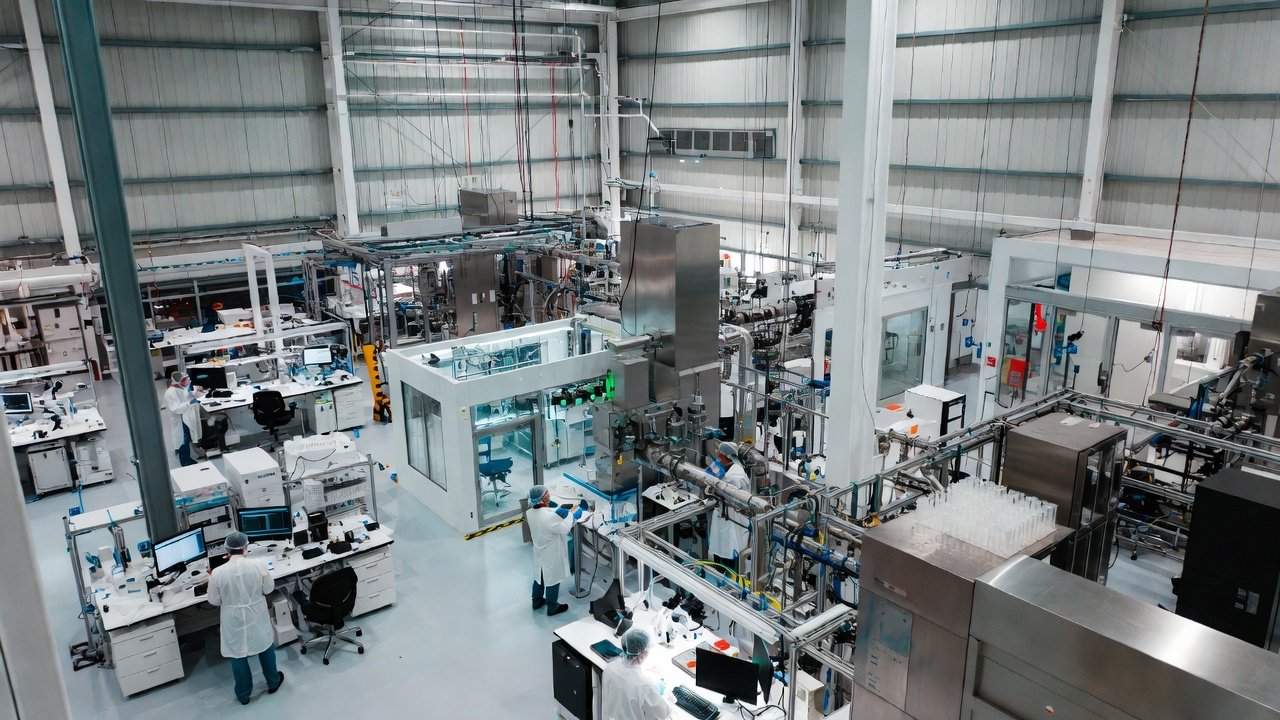
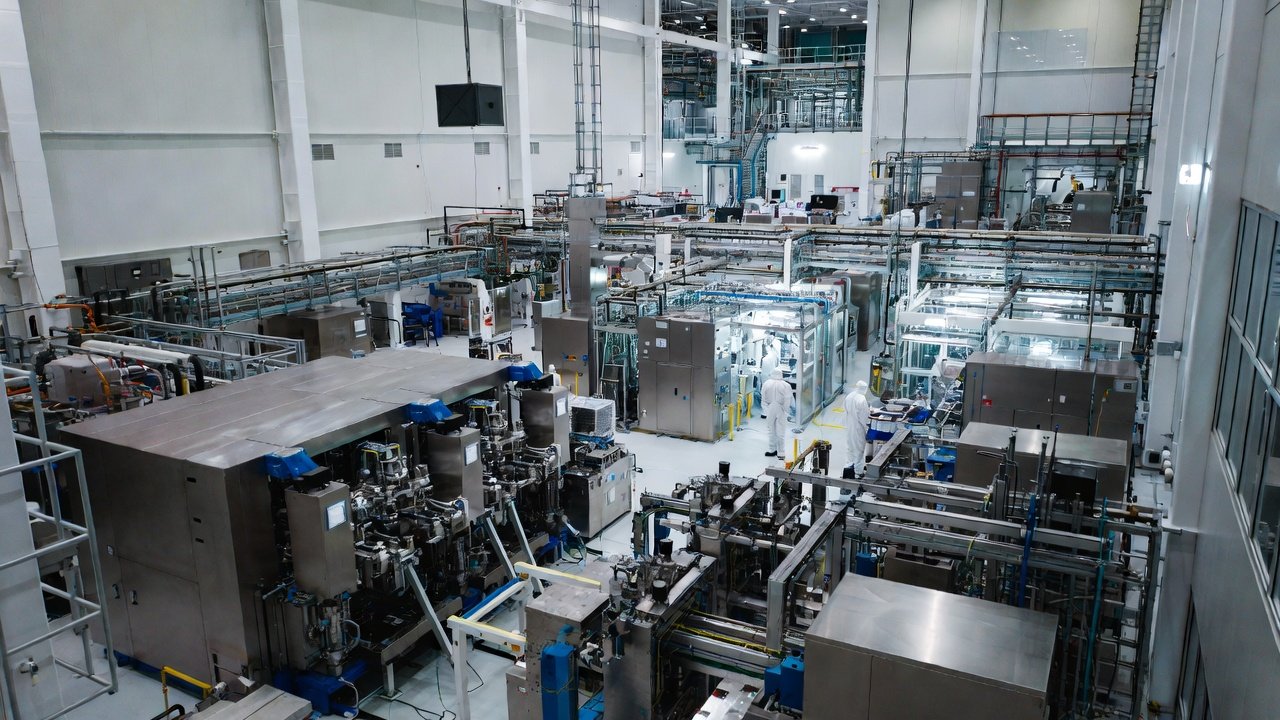
The semiconductor equipment landscape in Austin covers virtually every stage of chip fabrication. Front-end-of-line (FEOL) equipment, which handles the initial wafer processing stages including deposition, patterning, and doping, is particularly well represented in the region. Companies operating locally supply advanced chemical vapor deposition (CVD) systems, atomic layer deposition (ALD) tools, and plasma-enhanced etching equipment that are essential for producing leading-edge transistor structures. These systems must operate with extraordinary precision, and Austin’s manufacturing environment has proven well-suited to producing and maintaining this class of high-complexity equipment.
Back-end-of-line (BEOL) equipment, which manages die packaging, wire bonding, and interconnect formation, also has a significant presence in Austin. This equipment category has grown in strategic importance as the industry increasingly recognizes that packaging innovation is as critical as transistor scaling. Austin-based suppliers provide advanced flip-chip bonding systems, encapsulation tools, and testing platforms used by semiconductor manufacturers across Texas and beyond. Additionally, metrology and inspection equipment — used to detect defects and measure film thicknesses at the nanometer scale — represents a rapidly growing segment within the Austin semiconductor equipment market.
Major Semiconductor Equipment Companies Operating in Austin
Several globally recognized semiconductor equipment companies have established meaningful operations in Austin, either through dedicated manufacturing facilities, regional sales offices, or research and development centers. Applied Materials, one of the world’s largest semiconductor equipment manufacturers, maintains a significant presence in the Austin area, supporting local fab customers with deposition, etch, and CMP solutions. Lam Research, another industry leader, provides etch and deposition systems to Austin-area chipmakers including Samsung’s massive fabrication facility in nearby Taylor, Texas, which represents one of the largest foreign direct investments in U.S. history.
KLA Corporation, specializing in process control and yield management equipment, has also expanded its Texas footprint to better serve the growing cluster of fab operations across the region. Beyond these established names, Austin is home to numerous emerging companies developing next-generation semiconductor equipment for applications in quantum computing, III-V compound semiconductors, and wide-bandgap materials like silicon carbide and gallium nitride. These startups and growth-stage companies benefit from Austin’s deep talent pool, access to venture capital, and proximity to end customers who are eager to pilot innovative fabrication technologies.
The Role of Austin’s Semiconductor Equipment Sector in U.S. Supply Chain Resilience
The strategic importance of domestic semiconductor equipment production has gained unprecedented attention following global supply chain disruptions that exposed critical vulnerabilities in chip manufacturing capacity. The CHIPS and Science Act, signed into law in 2022, allocated significant federal funding to support domestic semiconductor manufacturing and equipment development, and Austin has been well-positioned to capture a meaningful portion of this investment. Local companies have submitted applications for grants and tax credits that would accelerate the buildout of advanced equipment manufacturing capacity in the region, further strengthening Austin’s role in the national semiconductor ecosystem.
Geopolitical considerations, particularly concerns about dependence on East Asian supply chains for both semiconductors and semiconductor equipment, have accelerated corporate decision-making in favor of expanding U.S.-based operations. Austin’s mature industrial base, skilled workforce, and strong logistics infrastructure — including Austin-Bergstrom International Airport and extensive highway connectivity — make it an ideal location for companies seeking to diversify their manufacturing footprints and reduce exposure to geopolitical risk. The presence of a large, established semiconductor supply chain in Austin also reduces the lead times and logistical complexity associated with procuring critical components and consumables.
Workforce and Training Infrastructure Supporting Semiconductor Equipment in Austin
A sophisticated semiconductor equipment industry cannot exist without a correspondingly skilled workforce, and Austin has invested substantially in developing the human capital necessary to sustain its position as a leading semiconductor hub. The University of Texas at Austin’s Cockrell School of Engineering offers specialized programs in electrical and computer engineering, materials science, and microelectronics fabrication that directly feed the talent pipelines of local semiconductor equipment companies. Austin Community College has also developed targeted technical certificate programs in semiconductor manufacturing, cleanroom operations, and precision equipment maintenance to meet the workforce demands of the region’s rapidly growing fab ecosystem.
Industry-academic partnerships have become increasingly common, with companies like Samsung and NXP collaborating with local universities to develop curriculum that aligns with the technical skills required in modern semiconductor equipment operation and development. Apprenticeship programs, internships, and cooperative education arrangements provide students with hands-on experience operating lithography systems, vacuum chambers, and precision measurement instruments before they enter the workforce. This close integration between education and industry is one of Austin’s most durable competitive advantages in the semiconductor equipment space.
FAQs
What types of semiconductor equipment are most commonly found in Austin, Texas?
Austin hosts a wide range of semiconductor equipment, including chemical vapor deposition systems, plasma etch tools, wafer inspection platforms, photolithography equipment, and advanced packaging solutions.
Why is Austin considered a major hub for semiconductor manufacturing and equipment?
Austin’s prominence in the semiconductor equipment space is driven by a combination of strong state-level business incentives, a highly educated engineering workforce, proximity to major chipmakers such as Samsung and NXP Semiconductors, and a well-developed technology ecosystem.
How has the CHIPS Act impacted the semiconductor equipment industry in Austin?
The CHIPS and Science Act has accelerated investment in domestic semiconductor manufacturing, and Austin has been a key beneficiary. Local companies and fab operators have leveraged the Act’s incentives to expand cleanroom capacity, procure advanced equipment, and hire additional engineers.
Are there semiconductor equipment companies based specifically in Austin?
Yes. In addition to regional offices and service centers for major global players like Applied Materials, Lam Research, and KLA Corporation, Austin is home to a growing number of emerging equipment companies developing innovative solutions for next-generation chip fabrication.
What is the future outlook for semiconductor equipment demand in Austin?
The demand for semiconductor equipment in Austin is expected to grow substantially over the coming decade. Samsung’s ongoing expansion in Taylor, Texas, the increasing localization of supply chains driven by geopolitical factors, and the broader proliferation of semiconductors across new end markets — including electric vehicles, 5G infrastructure, and AI accelerators — will all drive sustained demand for advanced fabrication equipment.