Luxury products carry a higher expectation than everyday items. Customers paying a premium price want more than an attractive unboxing experience; they want assurance that what they’re receiving hasn’t been opened, altered, or compromised before it reaches them. This is where tamper-proof packaging becomes essential, not just as a security measure but as part of the overall brand experience.
Below is a closer look at four tamper-proof solutions commonly used in luxury packaging, along with how each one works and where it fits best.
Why Tamper-Proof Packaging Matters for Luxury Brands
Before getting into the specific solutions, it’s worth understanding why this matters so much for high-end products. Luxury items, whether it’s jewelry, cosmetics, spirits, or designer accessories, are frequent targets for counterfeiting and product tampering. A compromised seal can raise doubts about authenticity, even if the product itself is perfectly fine.
Beyond security, tamper-evident features also reinforce a sense of exclusivity. Breaking a seal for the first time is part of the luxury experience, similar to unwrapping a gift. It signals that the product is new, untouched, and exactly as the brand intended it to arrive.
1. Tamper-Evident Seals and Stickers
One of the simplest and most widely used solutions is a tamper-evident seal placed over the opening of the box. These seals are designed to tear or leave a visible residue when removed, making it obvious if the box has been opened before reaching the customer.
High-end brands often customize these seals with foil stamping, embossed logos, or holographic elements, turning a functional security feature into a branding opportunity. A well-designed seal not only protects the product but also adds a final touch of polish to the packaging before the customer even opens the box.
Best for: Cosmetics, perfumes, and smaller luxury items where a clean, minimal seal fits the packaging design.
2. Locking Tab and Insert Systems
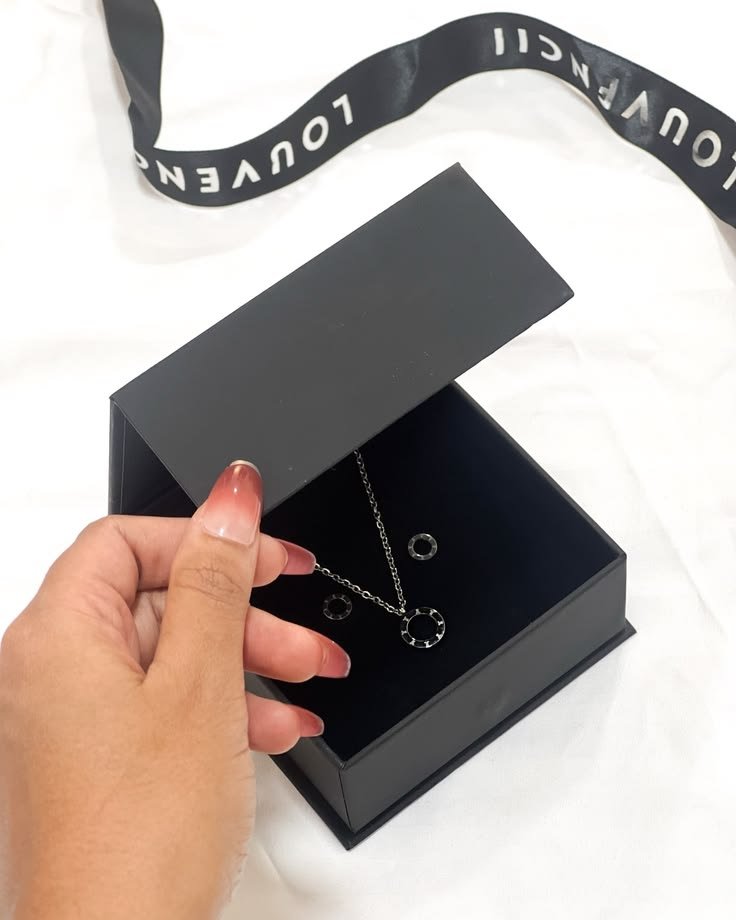
Locking tabs are built directly into the box structure rather than added afterward. These systems use interlocking flaps or slots that, once closed, cannot be reopened without visibly damaging the tab or the box itself. Some designs incorporate a secondary insert that holds the product firmly in place, so tampering would require disturbing both the outer structure and the internal packaging.
This approach works particularly well for custom luxury boxes, where the packaging itself is part of the product’s identity. Because the locking mechanism is built into the design rather than relying on an external sticker, it tends to feel more seamless and premium, matching the overall craftsmanship customers expect from high-end brands.
Best for: Jewelry boxes, watch packaging, and gift sets where the box itself is a key part of the presentation.
3. Shrink Wrap and Heat-Sealed Film
Shrink wrap remains one of the most reliable tamper-proof solutions, particularly for products that need a fully sealed exterior. A thin plastic film is wrapped around the entire box and heat-sealed, creating a tight barrier that must be cut or torn to access the product. Any attempt to remove it without breaking the seal is immediately noticeable.
While shrink wrap is common in mass retail, luxury brands have adapted it by using higher-clarity film, precise sealing techniques, and sometimes branded tear strips that make the unwrapping process feel more deliberate rather than purely functional.
Best for: Spirits, candles, and boxed sets that benefit from a fully enclosed protective layer.
4. Security Bands and Belly Bands
A security band, sometimes called a belly band, wraps around the box vertically or horizontally and is sealed at the overlap point. Unlike a full shrink wrap, a belly band typically covers just enough of the box to prevent the lid from being lifted without tearing the band.
These bands are popular in luxury packaging because they double as a design element. Brands often print their logo, product name, or a decorative pattern directly onto the band, so it functions as both a security feature and a branding touchpoint. Once removed, the torn band makes it immediately clear that the box has already been opened.
Best for: Gift boxes, subscription packaging, and limited-edition releases where presentation and security need to work together.
Choosing the Right Solution for Your Product
The right tamper-proof method depends on a few key factors specific to your product and brand.
Product value and risk level. Higher-value items, like fine jewelry or premium spirits, often benefit from combining two methods, such as a locking insert plus a security band, for added assurance.
Unboxing experience. Some brands want the security feature to feel like part of the reveal, while others prefer it to be as discreet as possible. Belly bands and printed seals tend to work well when brands want tamper-proofing to double as a design element.
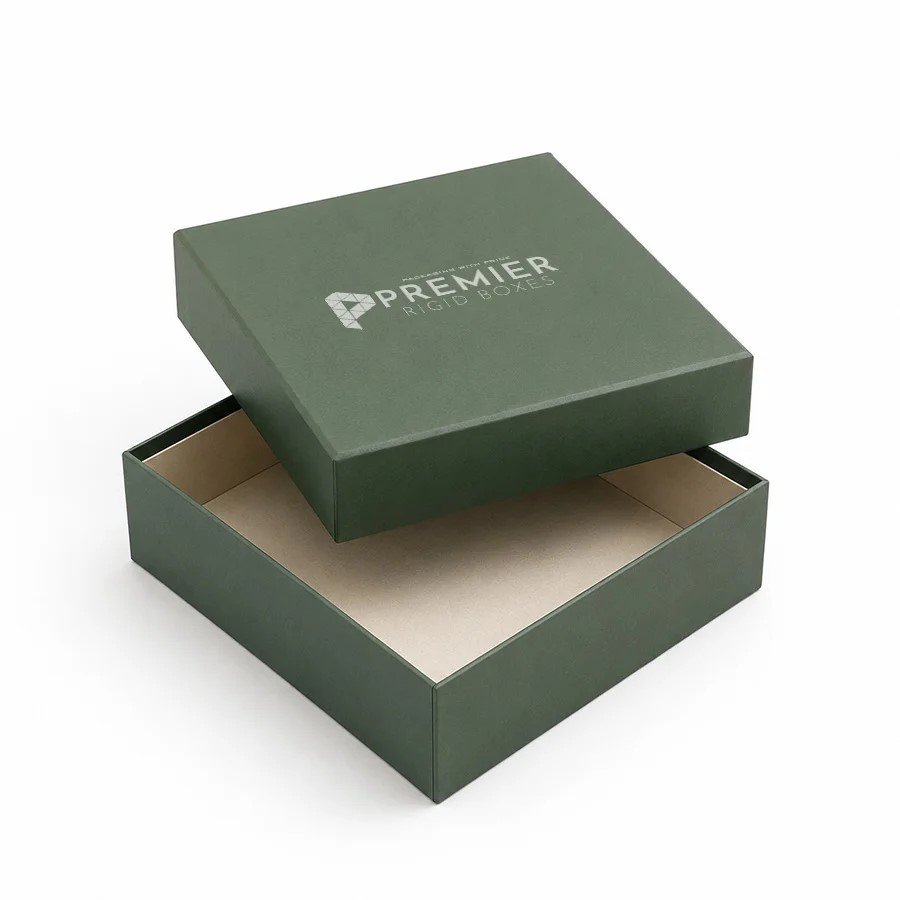
Material and structure of the box. Rigid boxes typically pair well with locking tab systems, while lighter packaging often relies more on external seals or shrink wrap for protection.
Regulatory requirements. Certain products, particularly cosmetics and consumables, may have specific tamper-evidence standards required by regulation, which should be factored into the design from the start.
Cost versus perceived value. It’s worth remembering that the security feature is often the last thing a customer touches before experiencing the product itself. Investing slightly more in a well-finished seal or band can influence how the entire purchase is perceived, even if the cost difference compared to a basic sticker is minimal.
Combining Multiple Layers of Protection
Many luxury brands don’t rely on just one tamper-proof method. Layering two solutions, such as a locking tray insert combined with an outer seal, adds redundancy without necessarily adding bulk or complexity to the design. This approach is especially common for high-value shipments that pass through several hands before reaching the end customer, since it reduces the chances of undetected tampering at any single point in the supply chain.
When layering methods, it helps to keep the overall unboxing experience in mind. Too many security features can make opening the box feel tedious rather than special, so brands typically choose combinations that add protection without disrupting the flow of the reveal.
Final Thoughts
Tamper-proof packaging isn’t just about preventing theft or contamination anymore; it’s become an expected part of the luxury experience. Customers associate a secure, well-designed seal with authenticity and care, and a compromised or flimsy closure can undermine trust even in an otherwise high-quality product.
Whether it’s a simple tamper-evident sticker or a fully integrated locking system, choosing the right solution means balancing security with presentation. When done well, tamper-proof features protect the product and enhance the moment a customer opens it for the first time.