A functional kitchen needs more than attractive cabinets and reliable cooking appliances. Proper ventilation is equally important for managing smoke, grease, heat, and cooking odours. An under-cabinet range hood offers an effective way to improve ventilation while making efficient use of available space. For homeowners with wider cooking surfaces, a 42 under-cabinet range hood can provide broader coverage while fitting beneath appropriately sized cabinetry. Understanding its benefits, features, and installation requirements can help you choose a model that suits your kitchen layout and cooking habits.
What Is an Under-Cabinet Range Hood?
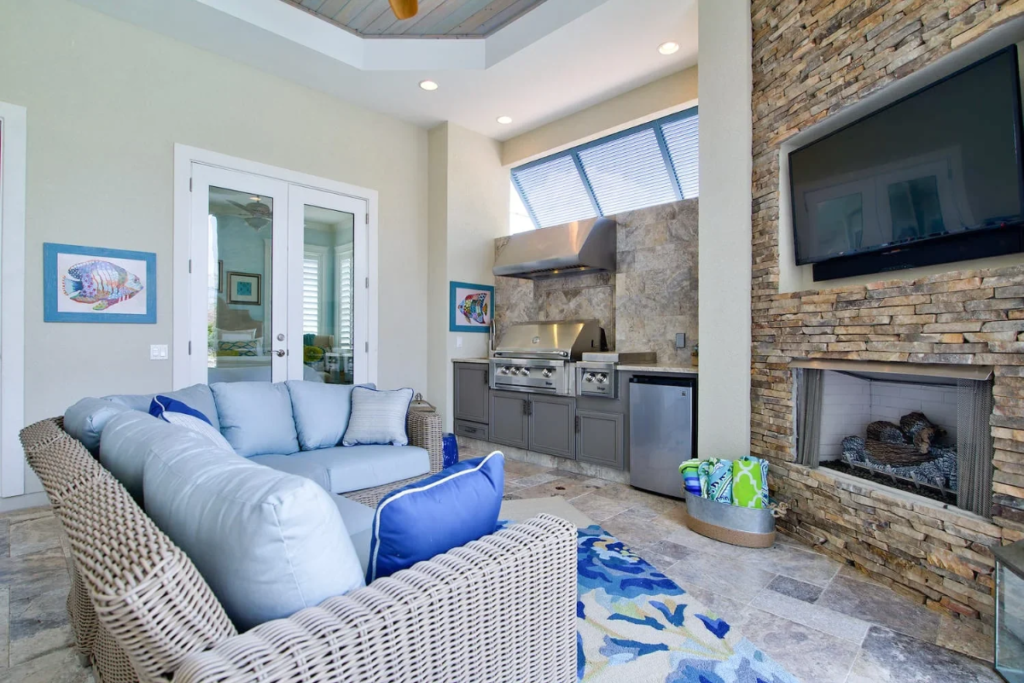
An under-cabinet range hood is installed beneath a kitchen cabinet positioned above the cooktop or range. Unlike chimney-style hoods that occupy a more prominent space on the wall, this design integrates with the existing cabinetry, creating a streamlined appearance.
These range hoods typically use a fan and filtration system to capture airborne grease, smoke, and odours produced during cooking. Depending on the model, they may discharge air outdoors through ductwork or recirculate filtered air back into the kitchen.
Under-cabinet models are popular because they combine ventilation with space-conscious design. They can suit kitchens where preserving cabinet storage and maintaining a clean visual layout are priorities. Their effectiveness, however, depends on selecting an appropriately sized model with suitable airflow capacity and installing it according to the manufacturer’s specifications.
Why Choose a 42-Inch Under-Cabinet Range Hood?
Width is an important consideration when choosing a range hood. A 42 under-cabinet range hood may be suitable for a wider cooking surface or a kitchen layout that benefits from additional capture area. The hood should be selected according to the cooktop’s dimensions, the manufacturer’s recommendations, and the available installation space.
A wider hood can help capture smoke and grease rising from different parts of the cooking surface, particularly when preparing several dishes simultaneously. This can be useful for households that frequently sauté, grill, fry, or cook with high heat.
Before purchasing, measure the space beneath your cabinets carefully. Confirm the hood’s actual dimensions, including its depth and height, and check whether the cabinet construction can accommodate the unit. Also consider the recommended mounting height above the cooking appliance, since installation height can affect capture performance and safety.
Features That Matter When Comparing Models
The width of a 42 under-cabinet range hood is only one part of the selection process. Several other features influence its everyday performance.
Airflow capacity: Measured in cubic feet per minute (CFM), airflow indicates how much air the hood can move. The appropriate capacity depends on your cooking appliance, cooking style, and ventilation setup.
Ducting options: Ducted systems carry exhaust air outdoors, while ductless models use filters to remove certain particles and odours before returning air to the room. Check which configuration is compatible with your kitchen.
Filter design: Grease filters help capture airborne cooking grease. Removable filters that can be cleaned according to the manufacturer’s instructions make routine maintenance easier.
Noise levels: Fan noise can affect comfort, especially in open-plan homes. Compare sound ratings across available speeds where specifications are provided.
Lighting and controls: Integrated lighting improves visibility over the cooktop, while accessible controls make it easier to adjust ventilation during cooking.
How Range Hoods Improve Kitchen Functionality
Effective ventilation helps reduce the amount of smoke, grease, and lingering cooking odours that spread into surrounding areas. It can also help manage excess heat and moisture generated during meal preparation. These benefits are particularly relevant in busy kitchens where multiple burners are used regularly.
A well-chosen hood can also complement the overall design. Because it sits beneath cabinetry, it can maintain a cohesive appearance without requiring the more prominent structure of a wall-mounted chimney hood. Material, finish, lighting, and control placement can further influence how naturally the unit fits into the kitchen.
Conclusion
The right model should balance size, airflow, filtration, noise, and installation compatibility. Under-cabinet range hoods can be a useful addition to a kitchen that requires wider ventilation coverage without sacrificing cabinet space. By evaluating these features alongside your cooking habits and kitchen layout, you can choose a ventilation system that supports a cleaner, more comfortable, and functional cooking environment.