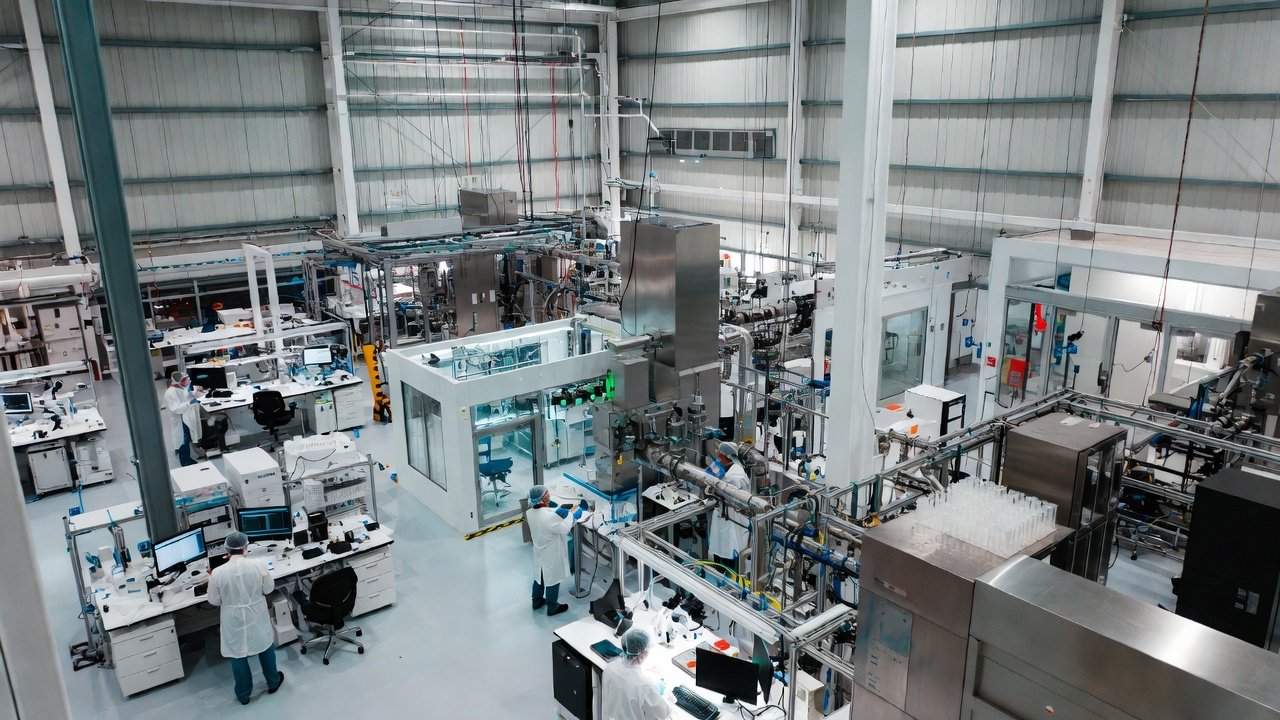
Austin, Texas has long been recognized as a powerhouse in technology and innovation, but over the past decade, the city has also emerged as a significant center for the pharmaceutical industry. With a robust ecosystem of research universities, biotechnology startups, established drug manufacturers, and a highly skilled workforce, Austin is steadily positioning itself as one of the most dynamic pharmaceutical markets in the United States. The convergence of healthcare demand, venture capital investment, and state-level support for life sciences has created a fertile environment where pharmaceutical companies can launch, grow, and thrive.
The pharmaceutical industry in Austin encompasses a wide range of activities, from early-stage drug discovery and clinical trials to large-scale manufacturing and regulatory affairs. Companies operating in this space benefit from Austin’s strategic location within Texas, favorable business climate, low corporate tax burden, and proximity to major medical institutions. As more biopharmaceutical firms and contract research organizations (CROs) establish operations in the region, Austin is rapidly gaining national and global recognition as a pharmaceutical destination worth watching.
The Rise of Austin as a Life Sciences and Pharmaceutical Industry
The growth of the pharmaceutical sector in Austin did not happen overnight. It is the product of deliberate investment in infrastructure, academic partnerships, and talent development spanning several decades. The University of Texas at Austin has played a pivotal role in this transformation, housing research programs in medicinal chemistry, pharmacology, and biomedical engineering that have produced countless innovations and startups. The Dell Medical School, established in 2016, further accelerated the city’s ambitions in healthcare and pharmaceutical research by creating direct pipelines between academic discovery and clinical application.
Several factors distinguish Austin from other emerging pharmaceutical hubs. The city benefits from a diversified economy that reduces the financial risk associated with operating in a single industry. Its thriving technology sector has made Austin particularly well-suited for the development of digital health tools, AI-driven drug discovery platforms, and precision medicine applications. The intersection of pharmaceutical science and technology in Austin has given rise to a category of companies often described as ‘biopharma tech’ firms, which leverage computational tools and data analytics to accelerate the development of new therapies.
Austin’s pharmaceutical ecosystem is also supported by a growing network of incubators, accelerators, and co-working spaces tailored to life sciences companies. Organizations such as Austin Technology Incubator and the newly expanding Texas Life Science Forum provide early-stage pharmaceutical companies with mentorship, lab space, and access to investors. These resources have proven invaluable for founders navigating the complex regulatory and scientific challenges inherent to pharmaceutical development.
Key Pharmaceutical Companies and Research Institutions Operating in Austin
Austin is home to a diverse mix of pharmaceutical companies ranging from global corporations with regional offices to locally founded biotech and specialty pharma firms. Companies engaged in oncology, neurology, infectious disease, and rare disease drug development have found Austin’s talent pool and research infrastructure particularly attractive. Several contract development and manufacturing organizations (CDMOs) have also established facilities in the Austin metro area to meet growing demand for outsourced pharmaceutical services.
The research institutions in and around Austin contribute substantially to the pipeline of pharmaceutical innovation. The UT Austin College of Pharmacy is one of the nation’s leading programs, producing graduates who go on to work in drug development, regulatory science, clinical pharmacy, and pharmaceutical management. The college’s research centers focus on areas such as targeted drug delivery, central nervous system disorders, and antimicrobial resistance, all of which align closely with urgent global health priorities. These research programs frequently collaborate with industry partners, creating a direct link between academic science and commercial pharmaceutical development.
Beyond the university ecosystem, Austin has attracted investment from national and international pharmaceutical companies seeking to expand their U.S. presence. The availability of modern laboratory facilities, competitive real estate compared to coastal markets, and a growing pool of experienced pharmaceutical professionals make Austin a compelling choice for companies looking to establish R&D hubs, medical affairs teams, or commercial operations. This inflow of corporate investment is generating high-quality employment and reinforcing Austin’s reputation as a city serious about building long-term pharmaceutical capacity.
Regulatory Environment, Workforce, and Business Climate for Pharma in Austin
The regulatory environment in which pharmaceutical companies operate is complex and demanding, requiring expertise in FDA submissions, quality systems, clinical compliance, and pharmacovigilance. Austin’s pharmaceutical sector has developed a strong community of regulatory affairs professionals, quality assurance specialists, and medical writers who help companies navigate these requirements efficiently. Several consulting firms headquartered in Austin specialize exclusively in pharmaceutical regulatory strategy, serving clients at every stage of drug development from IND filing through post-market surveillance.
The workforce supporting Austin’s pharmaceutical industry is drawn from multiple disciplines. The city’s universities produce graduates in chemistry, biology, engineering, public health, and business who enter pharmaceutical careers directly or after gaining experience in adjacent fields. Austin’s ability to attract talent from across the country, driven in part by quality of life factors such as a vibrant cultural scene, outdoor recreation, and a relatively low cost of living compared to San Francisco or Boston, gives local pharmaceutical employers a competitive advantage in talent acquisition.
Texas as a whole offers a business-friendly environment characterized by the absence of a state income tax, streamlined permitting processes, and active state-level incentive programs designed to attract life sciences companies. The Texas Enterprise Fund and the Governor’s University Research Initiative have both been used to attract or retain pharmaceutical and biotech investments in the state. Austin’s local government has also shown increasing interest in supporting the life sciences sector, recognizing it as a source of high-value employment and economic resilience.
FAQs
Why is Austin becoming an important city for the pharmaceutical industry?
Austin is emerging as a pharmaceutical hub due to its combination of world-class research universities, a highly skilled and growing workforce, favorable Texas business regulations, strong venture capital activity, and an innovative culture that bridges technology and life sciences.
What types of pharmaceutical companies are based in Austin, Texas?
Austin hosts a diverse range of pharmaceutical entities including early-stage biotech startups, specialty pharma companies, contract research organizations (CROs), contract manufacturing organizations (CMOs), regulatory consulting firms, and medical affairs teams of larger national and international drug companies.
How does the University of Texas at Austin contribute to the pharmaceutical industry?
The University of Texas at Austin, particularly through its College of Pharmacy and Dell Medical School, plays a central role in pharmaceutical research and talent development. Faculty and graduate researchers at UT Austin conduct foundational and translational research in drug delivery, pharmacology, and biomedical science.
What are the career opportunities in Austin’s pharmaceutical industry?
Austin’s pharmaceutical industry offers a wide variety of career paths including positions in drug discovery research, clinical operations, regulatory affairs, quality assurance, medical writing, pharmaceutical sales, data science, manufacturing, and business development.
Is Austin a good location for pharmaceutical startups?
Austin is widely considered an excellent location for pharmaceutical startups. The city offers access to university research infrastructure, a supportive network of incubators and accelerators, active angel and venture capital investors with life sciences expertise, a cost-competitive environment compared to coastal markets, and a business-friendly regulatory climate at the state level.
How is Austin’s pharmaceutical industry connected to the broader Texas life sciences ecosystem?
Austin’s pharmaceutical sector is deeply integrated with the broader Texas life sciences ecosystem. The city works in close coordination with the Texas Medical Center in Houston, one of the world’s largest medical complexes, as well as with pharmaceutical and biotech clusters in Dallas and San Antonio.