Why the Distinction Matters
Anyone new to construction or DIY building projects can be forgiven for assuming all sand is essentially interchangeable. In reality, different sand types are processed and graded for very different purposes, and using the wrong one can compromise the strength, workability, or finish of your project. Two of the most commonly confused products are brick sand and building sand.
This confusion is understandable, since both products often look similar in colour and texture at first glance, and both are commonly stocked side by side at landscaping and building supply yards. It’s really only once you get into the specifics of particle size and intended application that the practical differences become clear.
What Is Brick Sand?
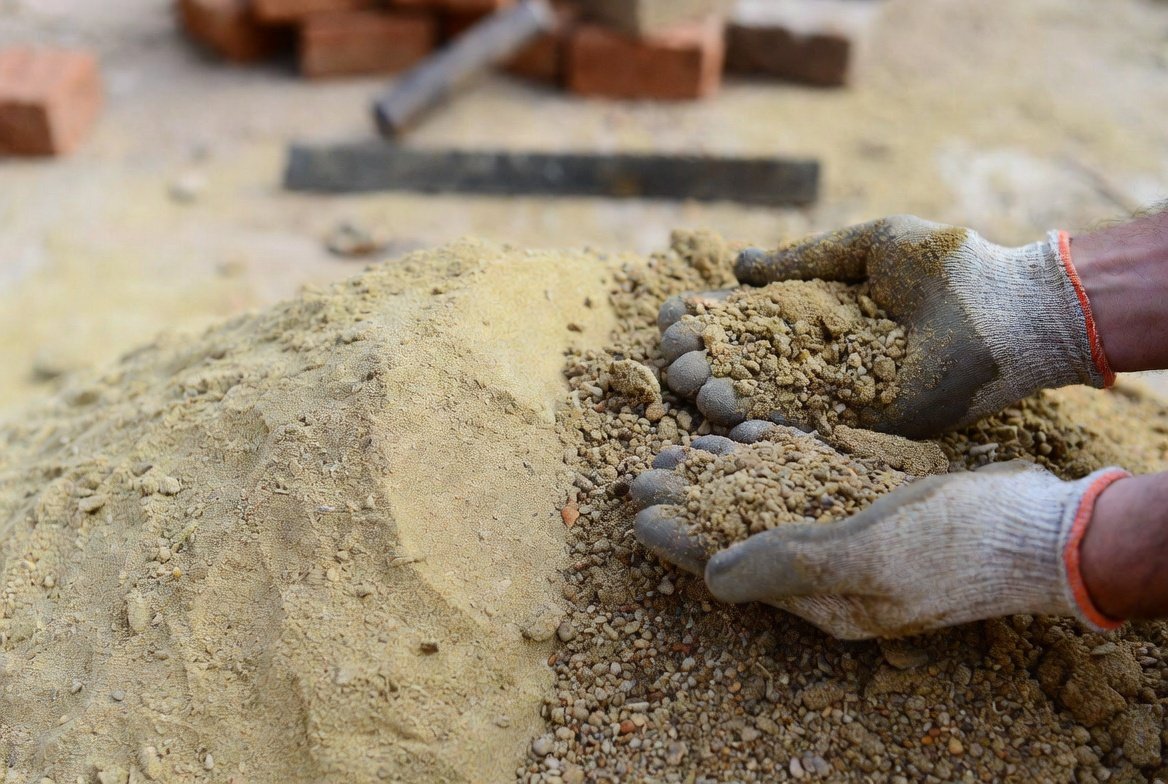
Brick sand, also known as bricklaying or mortar sand, is a fine, washed sand specifically graded for mixing mortar used in bricklaying and blockwork. Its fine, consistent particle size allows it to blend smoothly with cement, creating a workable mortar that spreads evenly across bricks and bonds securely into joints without leaving a coarse, gritty texture.
What Is Building Sand?
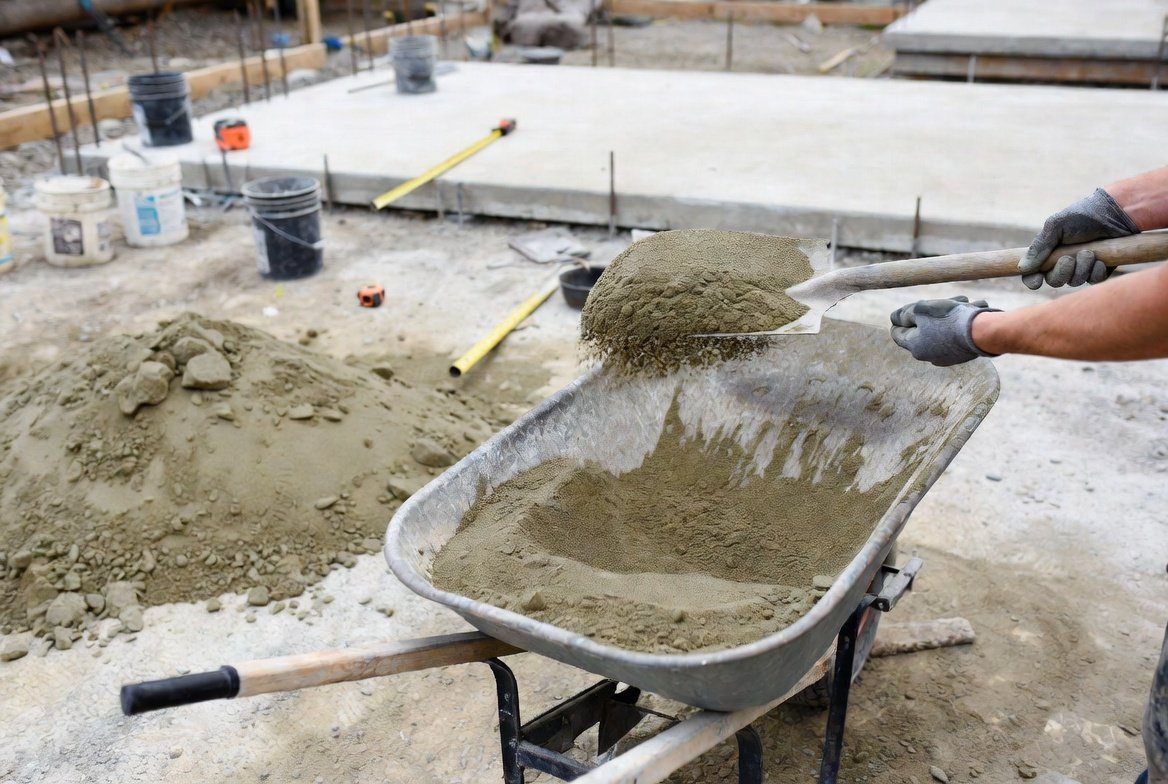
Building sand, sometimes called concreting sand or general purpose sand, is coarser and less finely graded than brick sand. It’s typically used for general concreting work, backfilling, bedding pipes, and other structural applications where fine particle consistency matters less than bulk strength and drainage. It is not generally recommended for fine mortar work, since its coarser texture makes for a rougher, less workable mix that’s harder to strike into neat joints.
Key Differences at a Glance
Understanding the practical differences helps avoid costly mistakes:
- Particle size – brick sand is fine and consistent; building sand is coarser and more variable.
- Primary use – brick sand for mortar and bricklaying; building sand for concreting and general fill.
- Workability – brick sand produces a smoother, easier-to-finish mortar for visible joints.
- Strength focus – building sand is chosen more for bulk structural strength than fine finish.
- Cost – brick sand is often slightly more expensive due to the additional washing and grading involved.
What Happens If You Use the Wrong One?
Using building sand for mortar work can result in a coarser mix that’s harder to spread evenly, leaving visible lumps or inconsistent joint lines across a brick wall. It may also affect the mortar’s workability while wet, making it more difficult for tradespeople to achieve clean, professional joints, particularly on face brickwork where appearance matters.
Conversely, using brick sand for large-scale concreting or bulk fill applications is generally an unnecessary expense, since the fine grading that benefits mortar work offers little advantage for these heavier-duty uses, where building sand performs just as well at a lower cost.
Which One Does Your Project Need?
If you’re laying bricks or blocks and mixing mortar, brick sand is the correct choice. If you’re pouring concrete footings, backfilling trenches, bedding pipes, or undertaking general structural fill work, building sand is typically the more appropriate and cost-effective option. For projects that involve both bricklaying and general concreting, most suppliers will recommend ordering both products separately rather than trying to use one for everything.
It’s also worth mentioning paving sand as a related but distinct third category, used specifically for filling joints between pavers rather than mixing mortar or concrete. If your project spans multiple applications, listing out each task and its material requirement before placing an order helps avoid confusion and ensures the right product arrives for each stage of the build.
How These Sands Are Processed
Both brick sand and building sand typically start out as quarried or dredged raw sand, which is then washed to remove clay and silt contaminants before being screened to separate particles by size. Brick sand goes through a finer screening process, filtering out the coarser particles to leave a consistently fine product. Building sand is screened to a coarser specification, retaining a wider range of particle sizes that provide better bulk strength for structural applications.
Getting Expert Advice Before You Order
If you’re ever unsure which product suits your specific project, a good landscaping or building supplier should be able to ask a few questions about your application and recommend the correct sand accordingly. Building & Garden Supplies in Melbourne stocks both brick sand and building sand, with staff available to advise on the right choice for bricklaying, concreting, or general construction fill, helping avoid costly mismatches before the project begins.
Final Thoughts
While brick sand and building sand might look similar at a glance, their differences in grading and processing make them suited to quite different applications. Taking a moment to confirm which product your project actually requires can save time, money, and the frustration of reworking a poorly finished job. When in doubt, it’s always worth asking your supplier directly rather than guessing, since the cost of ordering the wrong product, both in wasted material and delayed timelines, almost always outweighs the few minutes it takes to check.



One thought on “Brick Sand vs Building Sand: Which One Do You Need?”
Comments are closed.