Packaging plays an important role in protecting products, improving presentation, and preparing goods for efficient handling. For businesses that package items regularly, selecting suitable equipment can make the wrapping process faster and more consistent. At Maripak USA, we understand that packaging requirements differ between industries, product sizes, and production environments, which is why equipment selection should begin with a clear understanding of the application.
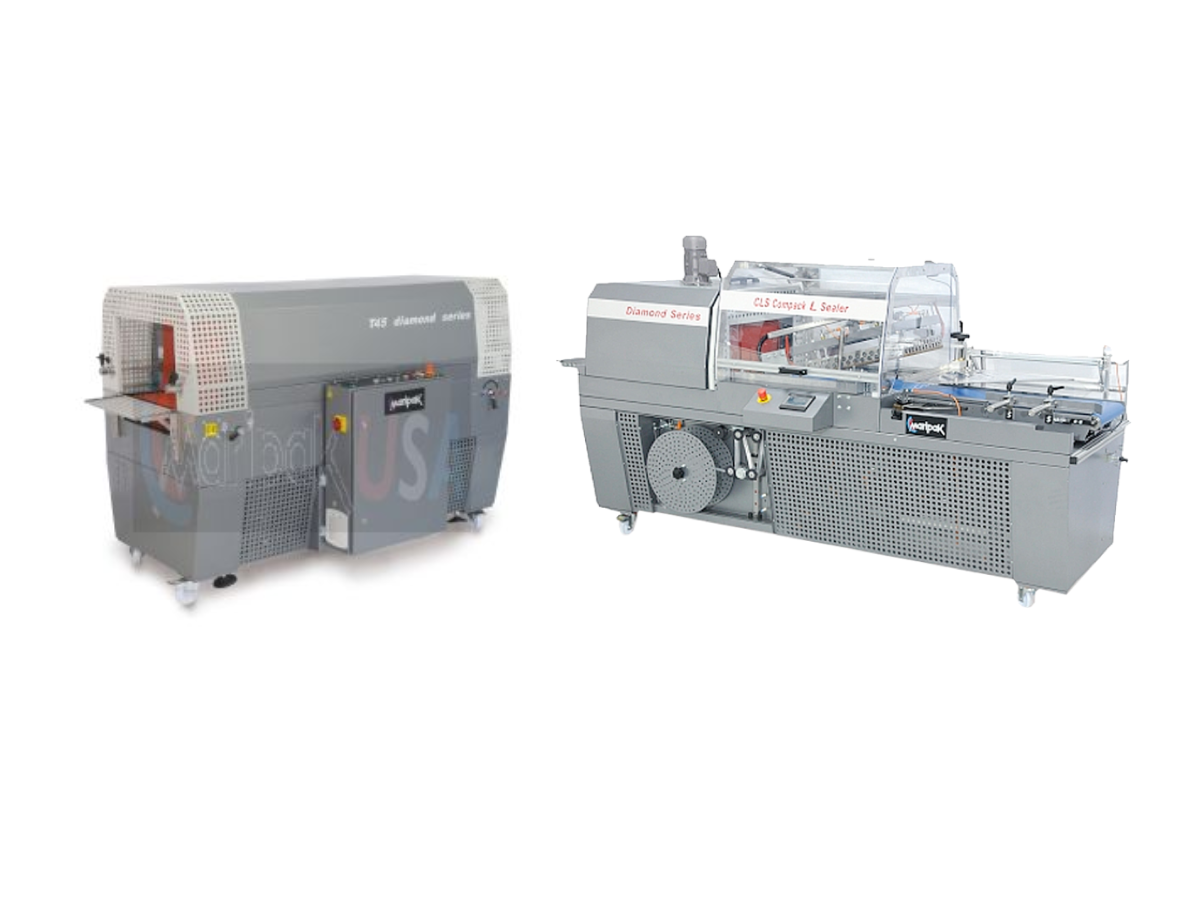
A shrink wrap machine uses heat to tightly form plastic film around a product or package. Depending on the equipment configuration, the process can involve sealing the film around an item and then applying controlled heat so the material conforms closely to its shape. This approach can be useful for retail products, bundled goods, food packaging, and industrial applications.
How Shrink Wrapping Works
Shrink wrap machines generally involve three basic stages: positioning the product, enclosing it with suitable film, and applying heat.
The film initially has enough flexibility to surround the product. Once exposed to controlled heat, it contracts around the package. The resulting wrap can help keep products together while providing a clean and uniform appearance.
Different machines automate varying portions of this process. Some systems are designed for manual or semi-automatic operation, while others integrate multiple packaging steps into a continuous production line.
Consider Your Product Requirements
Before choosing equipment, businesses should examine the products being wrapped. Dimensions, weight, shape, surface characteristics, and packaging volume can all influence the appropriate machine configuration.
For example, a company handling small standardized products may have different requirements from one packaging irregularly shaped industrial components. Product dimensions should therefore be measured carefully rather than relying on average package sizes.
It is also important to consider whether products will be wrapped individually or grouped. Bundling applications can require different film handling and sealing capabilities.
Match Equipment to Production Volume
Production volume is another major consideration. A business packaging a limited number of products each day may not need the same level of automation as a high-output manufacturing facility.
When evaluating a shrink wrap machine, consider current production requirements as well as expected growth. Equipment that meets today’s needs but creates bottlenecks as demand increases may eventually require replacement or expansion.
Automation can reduce repetitive manual tasks and provide greater consistency, particularly when packaging volumes are substantial.
Select the Appropriate Film
Shrink wrap machine and film selection should be considered together. Different products and applications can require different film characteristics, including thickness, strength, flexibility, and shrink properties.
The film should be compatible with the equipment and suitable for the product being packaged. Factors such as temperature sensitivity and required protection can also affect the choice.
Using inappropriate film may result in weak seals, excessive shrinkage, poor presentation, or unnecessary material consumption.
Think About Available Workspace
Physical space can influence equipment selection just as much as production requirements. Businesses should account for the machine’s footprint as well as space needed for operators to safely load, unload, and maintain the equipment.
At Maripak USA, we recommend considering the complete workflow around packaging equipment rather than looking only at the machine itself. Film storage, product staging, electrical requirements, and movement through the packaging area should all be considered before installation.
Automation and Operator Involvement
Automation levels vary considerably between packaging systems. Manual equipment may require an operator to position and seal each product, whereas automated systems can perform several stages with limited intervention.
The right level of automation depends on production volume, available labor, product consistency, and budget. Businesses should evaluate how much repetitive work can realistically be automated without making the packaging process unnecessarily complex.
Maintenance and Long-Term Use
Regular maintenance helps packaging equipment operate reliably. Operators should follow the manufacturer’s maintenance recommendations, inspect sealing components, clean relevant areas, and address unusual performance promptly.
Preventive maintenance can also help identify worn components before they cause extended downtime. Training operators on proper equipment use is equally important because incorrect settings or handling can affect both machine performance and packaging quality.
Conclusion
Choosing packaging equipment requires more than comparing machine specifications. Product dimensions, production volume, film compatibility, workspace, automation requirements, and maintenance should all be evaluated together. A suitable system can create more consistent packaging while helping businesses manage repetitive wrapping tasks efficiently.
At Maripak USA, we believe informed equipment selection starts with understanding the application first. Whether a business is upgrading an existing packaging process or establishing a new one, evaluating these practical considerations can make it easier to select a shrink wrap machine that fits current operations and future production needs.