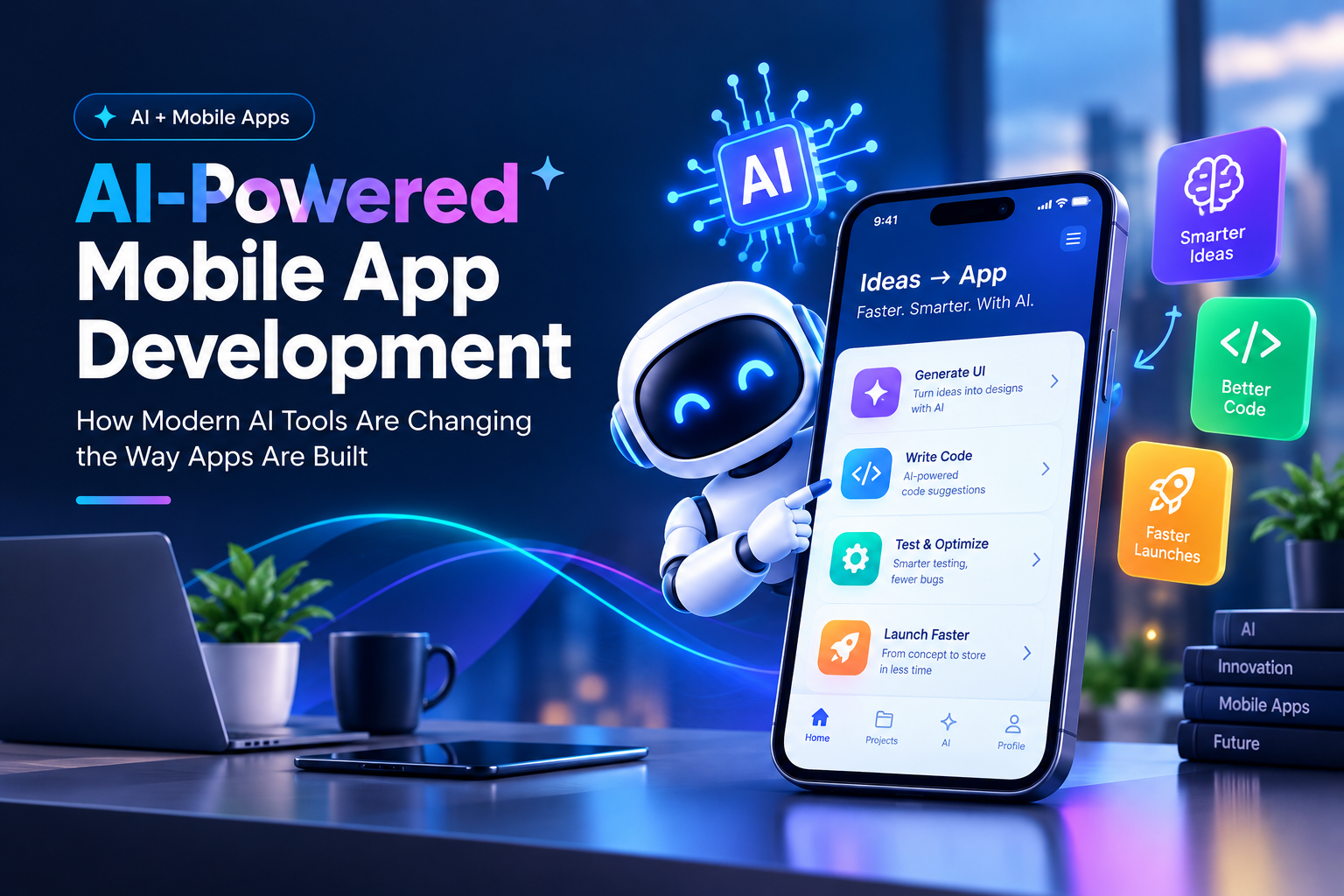
A few years ago, building a mobile app meant months of planning, a team of specialized developers, and a budget that made most founders wince. Today, that timeline is shrinking fast — and the reason isn’t more developers or bigger budgets. It’s AI.
AI-powered mobile app development has quietly become the new normal in the tech industry. From writing code to testing features to predicting what users want before they ask for it, artificial intelligence is reshaping every stage of the app-building process. And the shift isn’t just about speed — it’s changing who gets to build apps in the first place.
From Idea to Code, Faster Than Ever
Traditionally, turning an idea into a working app required a developer to write every line of code by hand. Now, AI coding assistants can generate functional code snippets, suggest bug fixes, and even build entire app modules based on a simple text prompt.
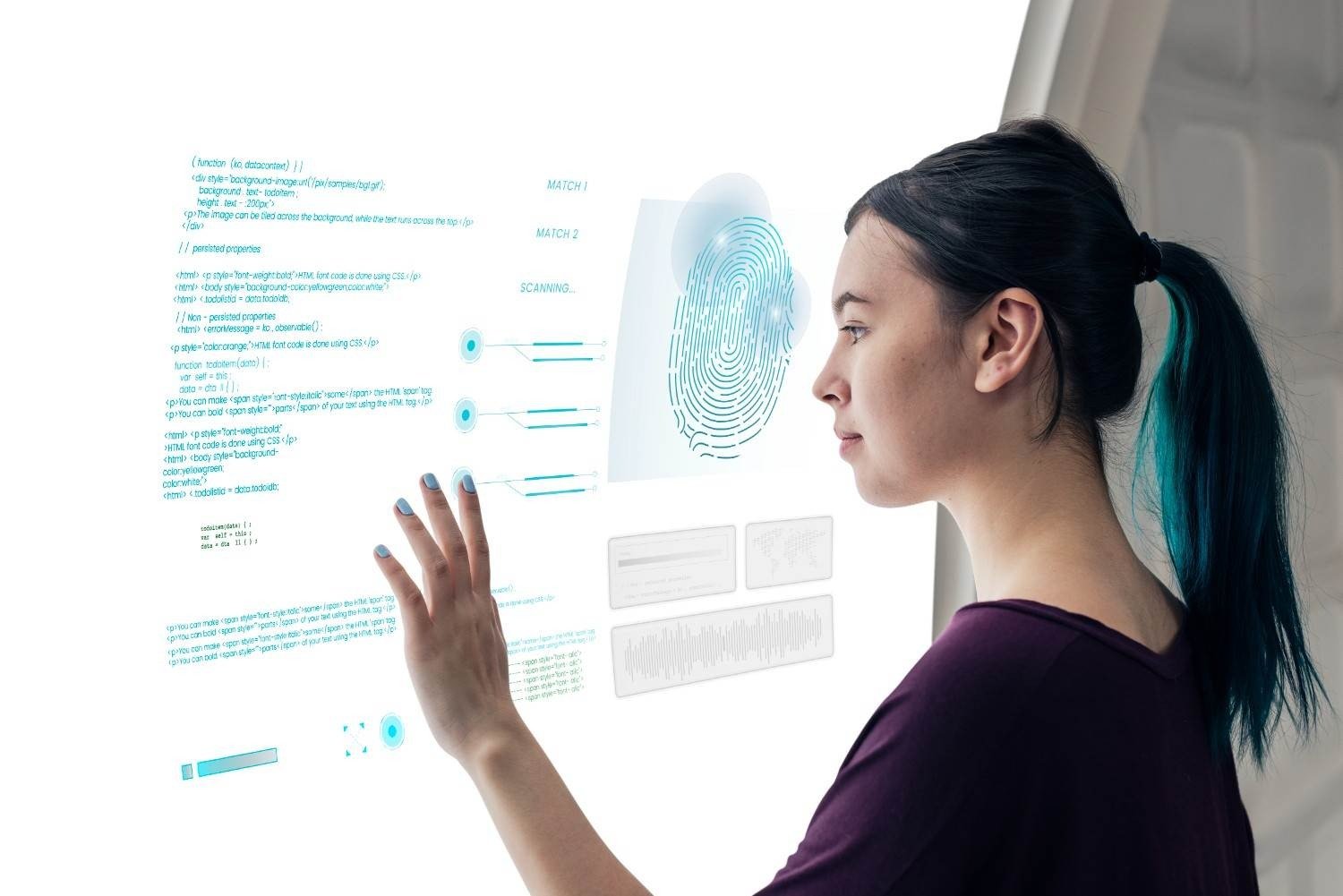
Tools like GitHub Copilot, Amazon CodeWhisperer, and various AI-integrated IDEs have made it possible for developers to move from concept to prototype in days rather than weeks. A developer can describe a feature — say, a login screen with biometric authentication — and get a working starting point almost instantly. This doesn’t eliminate the need for skilled engineers, but it does free them up to focus on architecture, logic, and the trickier problems that still require human judgment.
For startups especially, this speed matters. Getting a minimum viable product into users’ hands quickly can be the difference between securing funding and missing the window entirely.
Smarter Design Through Automation
App design used to involve endless rounds of wireframing, user testing, and manual adjustments. AI tools are now stepping into this space too, analyzing user behavior patterns and suggesting layout changes that improve engagement.
Some design platforms use machine learning to predict which button placements, color schemes, or navigation flows are likely to perform best based on data from thousands of similar apps. Instead of guessing what users want, designers can lean on evidence-backed suggestions, then apply their own creative judgment on top.
This doesn’t replace designers — good design still needs a human eye for aesthetics and brand identity — but it does cut down on the trial-and-error that used to eat up so much development time.
Testing and Quality Assurance Get an Upgrade
Bugs are inevitable in software, but finding them used to be a slow, manual grind. QA teams would run through countless test cases, often missing edge cases simply because there wasn’t enough time to check everything.
AI-driven testing tools change that equation. They can simulate thousands of user interactions across different devices and operating systems in a fraction of the time it would take a human tester. Some tools even learn from past bugs to predict where new issues are likely to appear, flagging risky code before it ever reaches production.
This matters enormously in a world where users abandon apps that crash or lag within seconds of a bad experience. Fewer bugs at launch means better reviews, stronger retention, and less costly firefighting after release.
Personalization Is No Longer Optional
Users today expect apps to feel like they were built just for them. AI makes that kind of personalization possible at scale. Whether it’s a shopping app recommending products based on browsing history or a fitness app adjusting workout plans based on daily performance, machine learning models are constantly analyzing user data to tailor the experience in real time.
This is one of the more visible ways AI-powered mobile app development touches the average user directly. It’s not just about how the app was built — it’s about how the app behaves once it’s in someone’s hands. Apps that adapt intelligently tend to see higher engagement and longer session times, simply because they feel more relevant.
Voice, Chatbots, and Natural Interaction
Another major shift is how users interact with apps in the first place. Voice assistants and AI chatbots have become standard features rather than novelties. Customer service bots can now handle a huge share of user queries without human intervention, and voice search is increasingly built directly into app navigation.
This trend has pushed developers to think beyond touchscreens. Conversational interfaces require different design thinking — apps need to understand context, tone, and intent, not just taps and swipes. AI models trained on natural language processing make this possible, and they’re only getting better at understanding nuance and correcting for ambiguity in what users say.
Lower Barriers, More Builders
Perhaps the most significant change AI has brought isn’t technical at all — it’s about accessibility. No-code and low-code platforms, many powered by AI under the hood, now let people with little to no programming background build functional apps.
Small business owners, solo entrepreneurs, and hobbyists who once needed to hire a development team can now build a working app themselves, or with minimal outside help. This is also opening up opportunities for entrepreneurs interested in transportation, where Ride-Hailing Clone App Development can provide a practical starting point for building a platform without developing every component from scratch. This democratization is reshaping the app economy, filling app stores with niche, specialized tools built by people who understand a specific problem intimately, even if they don’t know how to code.
The Trade-Offs Worth Knowing
It’s worth being honest about the downsides too. AI-generated code isn’t always efficient or secure, and relying too heavily on automated suggestions without proper review can introduce vulnerabilities. Personalization, if handled carelessly, can raise real privacy concerns. And no-code platforms, while accessible, often hit limitations when an app needs to scale or handle complex logic.
None of this makes AI a bad fit for app development — it just means it works best as a powerful assistant, not a replacement for thoughtful engineering and design decisions.
What This Means Going Forward
The apps we use every day are being built differently than they were even three or four years ago. Development cycles are shorter, testing is more thorough, and personalization is deeper. AI-powered mobile app development isn’t a passing trend — it’s becoming the standard approach across the industry, from massive tech companies to solo founders building their first product.
The tools will keep evolving, and so will the expectations users have for the apps they download. Businesses that adapt to this shift — using AI to move faster without cutting corners on quality — will be the ones that stand out in an increasingly crowded app marketplace. Those still building the old way may find themselves, quite simply, left behind.