Introduction
The secondary marketplace for pre-owned luxury fashion, heritage accessories, and archival designer handbags has experienced unprecedented expansion worldwide. Among globally recognized luxury fashion houses, Louis Vuitton holds an esteemed position, attracting vintage collectors, fashion investors, and style enthusiasts alike. Iconic coated canvas bags, structured leather luggage, and versatile crossbody designs retain exceptional commercial value and timeless appeal across pre-owned resale platforms. However, the high demand for these iconic leather goods has also spurred a sophisticated global counterfeit industry. Modern counterfeit operations utilize advanced manufacturing machinery, high-density coated canvases, real brass fittings, and artificial leather patination processes to create deceptive replicas. For online buyers, vintage collectors, and resale shoppers, distinguishing a genuine item from a high-tier fake using standard product photographs poses a significant challenge. Relying solely on basic visual checks, digital seller receipts, or verbal authenticity promises often leaves buyers vulnerable to substantial financial loss. Verifying genuine luxury goods requires a rigorous physical inspection of structural nuances, including stitch thread tension, edge paint viscosity, canvas grain density, brand stamp font alignment, and metallic hardware weight. Utilizing specialized louis vuitton online authentication provides an essential protection mechanism, allowing consumers to confirm item provenance, safeguard their financial investment, and navigate secondary resale platforms with complete confidence.
Evaluating vintage and contemporary luxury bags requires a deep understanding of how material sourcing, factory coding systems, and hardware production methods evolved across different manufacturing eras. Historical pieces relied on hand-saddle stitching and deeply stamped alphanumeric date codes, whereas modern productions incorporate radio-frequency microchips alongside traditional artisan craftsmanship. This comprehensive guide details key physical verification standards, step-by-step digital testing protocols, actionable resale safety guidelines, and criteria for choosing a reliable verification provider.
Primary Craftsmanship Indicators in Luxury Handbag Verification
Examining the precise physical construction details reveals why traditional artisan manufacturing clearly sets genuine luxury goods apart from counterfeit replicas. Understanding these core details empowers buyers to evaluate potential purchases effectively.
Stitch Density and Waxed Thread Alignment: Authentic luxury houses utilize high-tensile waxed threads, resulting in precise stitch counts per inch with uniform thread tension and subtle angled saddle stitching.
Edge Paint Viscosity and Glazing Smoothness: Structural leather edges feature smooth, hand-applied edge glazing in thin, durable layers without thick, uneven rubbery buildup along seam margins.
Coated Canvas Grain and Material Flexibility: Genuine coated canvas exhibits a distinct tactile texture, rich color depth, and perfect geometric alignment across exterior panels and pocket seams.
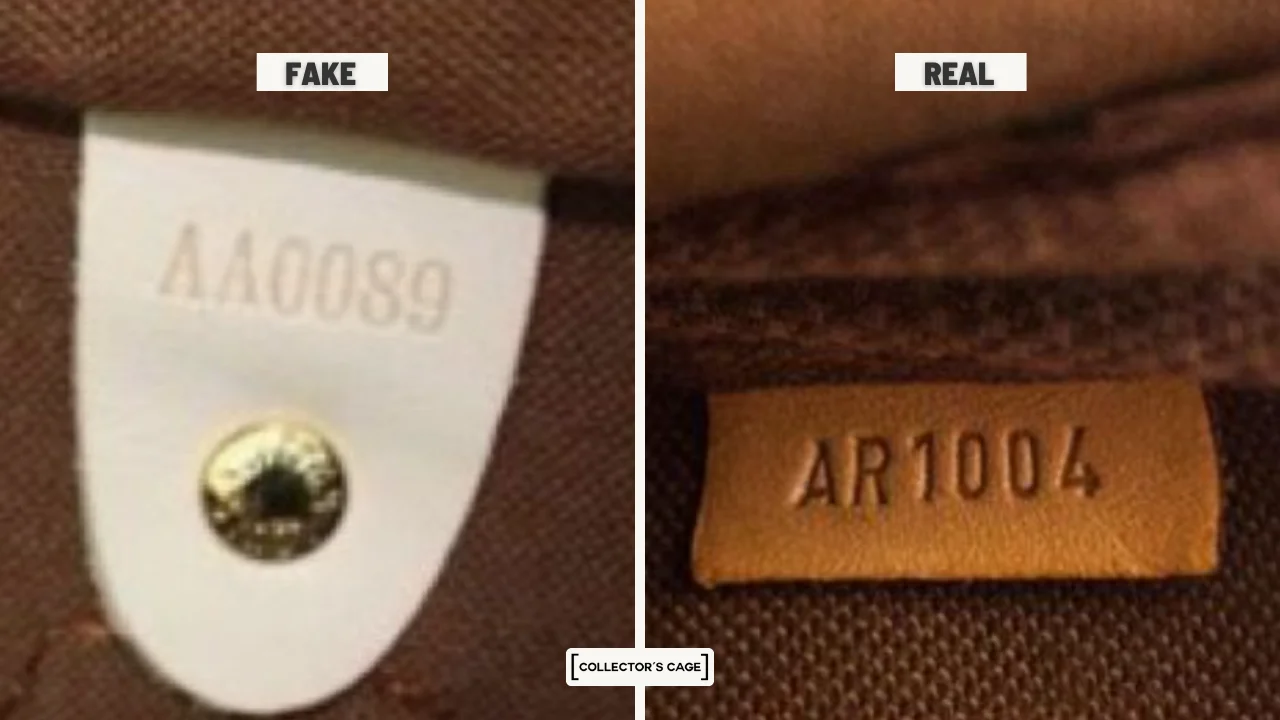
Serial Code Typography and Impression Depth: Alphanumeric date codes display crisp, well-proportioned lettering with exact character spacing and clean, un-smudged impression depth.
Recognizing these fundamental craftsmanship standards enables verification experts to identify subtle period inaccuracies and confirm authentic items with absolute precision.
Step-by-Step Functional Protocols for Handbag Authentication
Verifying a pre-owned luxury handbag through digital evaluation requires a systematic, multi-step examination of every structural component from exterior hide to interior lining.
- Exterior Coated Canvas and Natural Leather Patina Inspection Examining exterior canvas symmetry and untreated natural leather handles ensures the gradual darkening and organic grain variations align with original brand specifications.
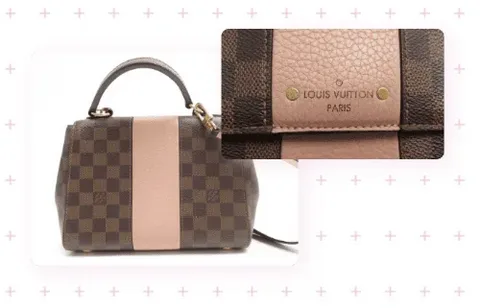
- Microscopic Hardware Metallurgy and Engraving Analysis Inspecting metallic zippers, lock cylinders, key clasps, and strap rivets under high magnification confirms crisp laser-etched branding and solid brass composition rather than electroplated alloys.
- Structural Lining Assessment and Internal Construction Evaluating interior fabric linings, cross-grain leather pocket trims, and structural seam reinforcements ensures thread angles and internal assembly match original factory standards.
- Deciphering Serial Codes and Microchip Verification Cross-referencing interior date codes with factory location codes—or scanning embedded electronic microchips—confirms production dates match the bag’s exact model release era.
Following these structured appraisal steps protects buyers from purchasing clever counterfeits across peer-to-peer selling platforms.
Actionable Safety Guidelines for Buying Pre-Owned Handbags
Applying practical safety guidelines when shopping for second-hand designer bags helps prevent financial fraud and ensures you invest in authentic pieces.
Request Clear High-Resolution Macro Photographs: Always ask sellers for clear, well-lit photos showing interior brand stamps, serial codes, hardware undersides, zipper teeth, and corner stitching before sending payment.
Avoid Deals Significantly Below Market Value: Approach listings offering rare or pristine luxury bags far below standard market resale rates with extreme caution, as unrealistic pricing frequently indicates counterfeit goods.
Purchase from Verified Resale Businesses: Buy through established consignment platforms or trusted professional sellers who provide ironclad money-back authenticity guarantees and transparent return policies.
Obtain Independent Third-Party Certificates: Secure a formal digital certificate of authenticity from a trusted third-party verification service before finalizing high-value secondary market purchases.
Selecting the Right Digital Authentication Provider
Partnering with the right authentication provider involves evaluating brand-specific expertise, historical archive access, and clear financial protection policies.
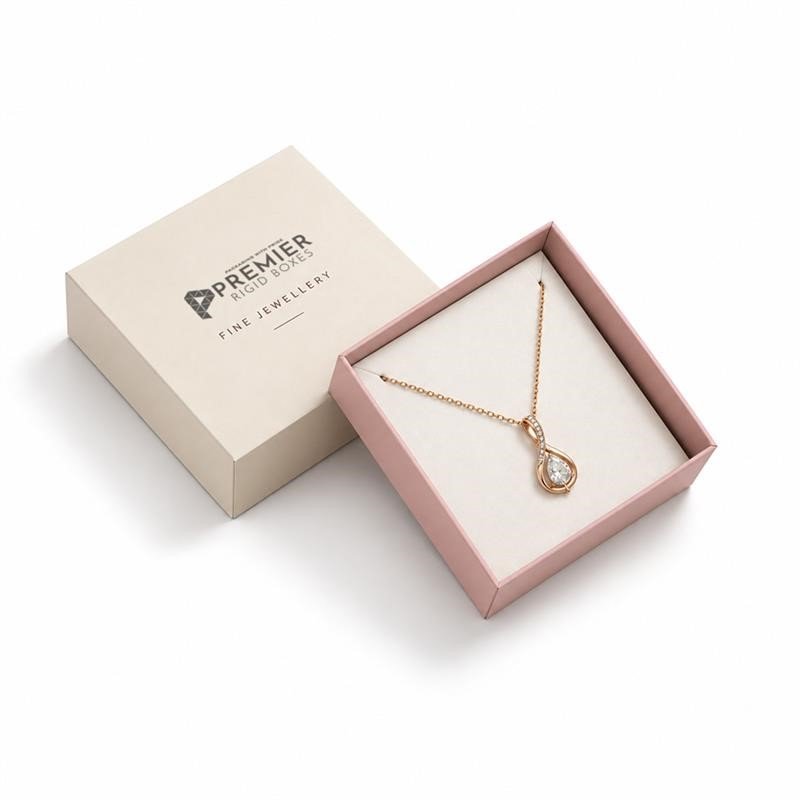
Choose verification companies that employ dedicated brand specialists with extensive experience evaluating both archival vintage pieces and contemporary collections. Qualified authentication providers combine human expert analysis with optical magnification technology. They evaluate everything from serial codes down to luxury product packaging features to ensure accurate verification results.
Conclusion
Investing in pre-owned luxury fashion offers a rewarding combination of personal style, sustainable shopping, and long-term value preservation. Protecting your financial investment from deceptive counterfeits requires a firm commitment to thorough product evaluation. Leveraging reliable louis vuitton online authentication services provides you with detailed craftsmanship analysis, historical code verification, and essential financial protection. By inspecting hardware details, evaluating material quality, and choosing trusted verification partners, you can explore the luxury resale market with total confidence and peace of mind.