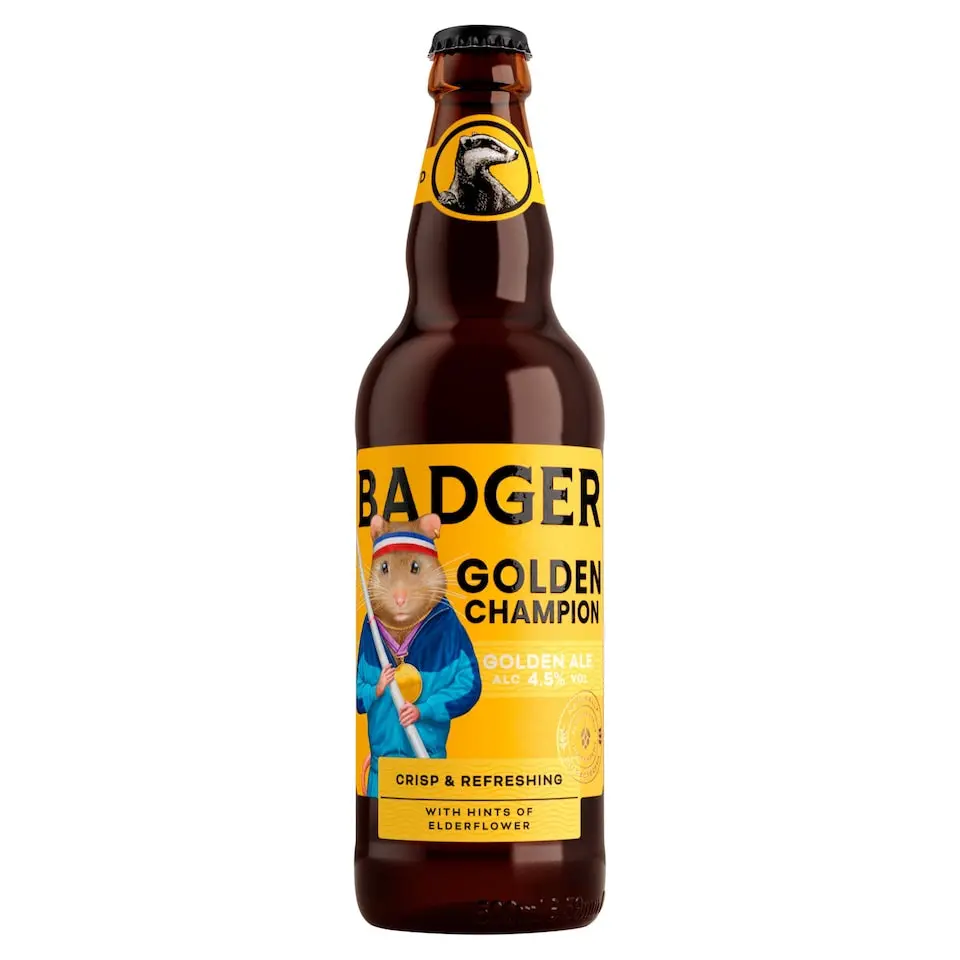
Beer traditions often reflect the history, geography, and resources of the places where they develop. Dorset, in southern England, has a long association with brewing, and one of its best-known brewing institutions has roots dating back to the 18th century. For readers interested in British ale, understanding the history behind Badger Brewery provides useful context for appreciating the different styles, ingredients, and brewing methods associated with Dorset beer.
The brewery began in 1777 when Charles Hall established a brewery in Ansty, Dorset. Over the following generations, the business developed through the Hall and Woodhouse family connection and eventually became associated with the Badger name. Today, the brewery remains family-owned and operates from Blandford in Dorset.
A Brewing Tradition Dating Back to 1777
The origins of the Badger Brewery can be traced to Charles Hall, who built his first brewery in the Dorset village of Ansty in 1777. The business later expanded when Robert Hall brought Edward Woodhouse into the company in the 19th century. Their partnership eventually established the Hall & Woodhouse name.
Historical records from the brewery indicate that beer production became an important part of the business during a period when British brewing was closely connected with local agriculture, pubs, and communities. The company also supplied beer to troops during the Napoleonic period, demonstrating how breweries could become important regional suppliers.
The Badger trademark was registered in 1875, while a new brewery was constructed on the banks of the River Stour in Blandford in 1899. A modern brewery was later built alongside the older site in 2012, combining contemporary equipment with longstanding brewing practices.
Why Dorset Water Matters to Brewing
Water is one of the four fundamental ingredients in beer, alongside malted grain, hops, and yeast. Its mineral composition can influence brewing chemistry, fermentation, flavour, and mouthfeel.
The brewery explains that its Dorset water is naturally filtered through the area’s Cretaceous chalk downs before reaching wells at the brewery site. The water is naturally high in calcium, a mineral that can play an important role in the brewing process.
Water chemistry is particularly important because different beer styles can benefit from different mineral profiles. Calcium, for example, can support yeast performance and influence mash and fermentation processes. Brewers therefore pay close attention to the characteristics of their water when developing recipes.
Malt, Hops and Yeast Shape Beer Character
Malted barley provides much of the fermentable material and contributes to the colour, body, sweetness, and flavour of beer. The brewery states that it primarily uses English Flagon malted barley, which is sourced mainly from southwest England and East Anglia.
Hops perform several functions in brewing. They contribute bitterness that balances malt sweetness while also adding aromas and flavours that can range from floral and herbal to citrus and tropical. The brewery uses primarily British hops while also incorporating varieties from the United States and other New World growing regions.
Yeast is equally important because it converts fermentable sugars into alcohol and carbon dioxide while producing compounds that influence aroma and flavour. The brewery uses a selected yeast intended to provide clarity, brightness, and clean flavours in its beers.
Understanding the Dorset Dozen Beer Selection
A mixed beer selection can be useful for understanding how different Badger Brewery styles produce distinct sensory characteristics. The Dorset Dozen multipack listed by RV Drinks contains 12 bottles divided equally among four styles: Golden Champion Golden Ale, Fursty Ferret Amber Ale, Hopping Hare Pale Ale, and Portland Porter Session Ale. The listed strengths range from 3.4% to 4.5% ABV.
Golden ales generally emphasise a lighter colour and refreshing malt and hop character. Amber ales typically introduce deeper malt flavours and a richer colour, while pale ales often place greater emphasis on hop aroma and flavour. Session ales are generally designed around a lower alcohol strength, allowing drinkers to experience a beer with a lighter overall alcoholic intensity.
Having several styles together also makes it easier to compare characteristics such as bitterness, aroma, colour, body, and perceived sweetness.
How Modern Equipment Supports Traditional Brewing
Traditional brewing does not necessarily mean relying on outdated equipment. Modern breweries can retain established recipes and methods while using precise technology to improve consistency.
The Dorset brewery states that mash temperatures are controlled within half a degree. Temperature control during mashing is important because it affects enzymatic activity and determines how efficiently starches are converted into fermentable sugars. Hop timing is also carefully managed, with additions made at different stages to achieve specific aroma and flavour characteristics.
This combination of historical knowledge and controlled brewing technology illustrates how regional breweries can preserve their identity while maintaining consistent production standards.
What Makes a Mixed Beer Selection Informative?
Trying different beer styles side by side can provide more insight than drinking a single style repeatedly. The differences in malt composition, hop varieties, fermentation characteristics, alcohol strength, and brewing schedules can all affect the final product.
For newcomers to British ale, a mixed selection can therefore act as a practical introduction to several traditional categories. Experienced beer drinkers can also use the range to compare how different recipes balance malt, bitterness, aroma, body, and alcohol.
Conclusion
The history of Dorset brewing demonstrates how beer can remain closely connected to local resources and generations of brewing knowledge. From its beginnings in 1777 to the modern brewery beside the River Stour, the story combines regional heritage with contemporary production methods. The same principle applies when exploring other drink categories, including spirits such as peanut whiskey where ingredients, production techniques, and flavour combinations similarly influence the finished drink. Understanding ingredients, water chemistry, yeast, hop timing, and beer styles can make tasting more meaningful because these factors help explain why two beers can have very different characteristics.