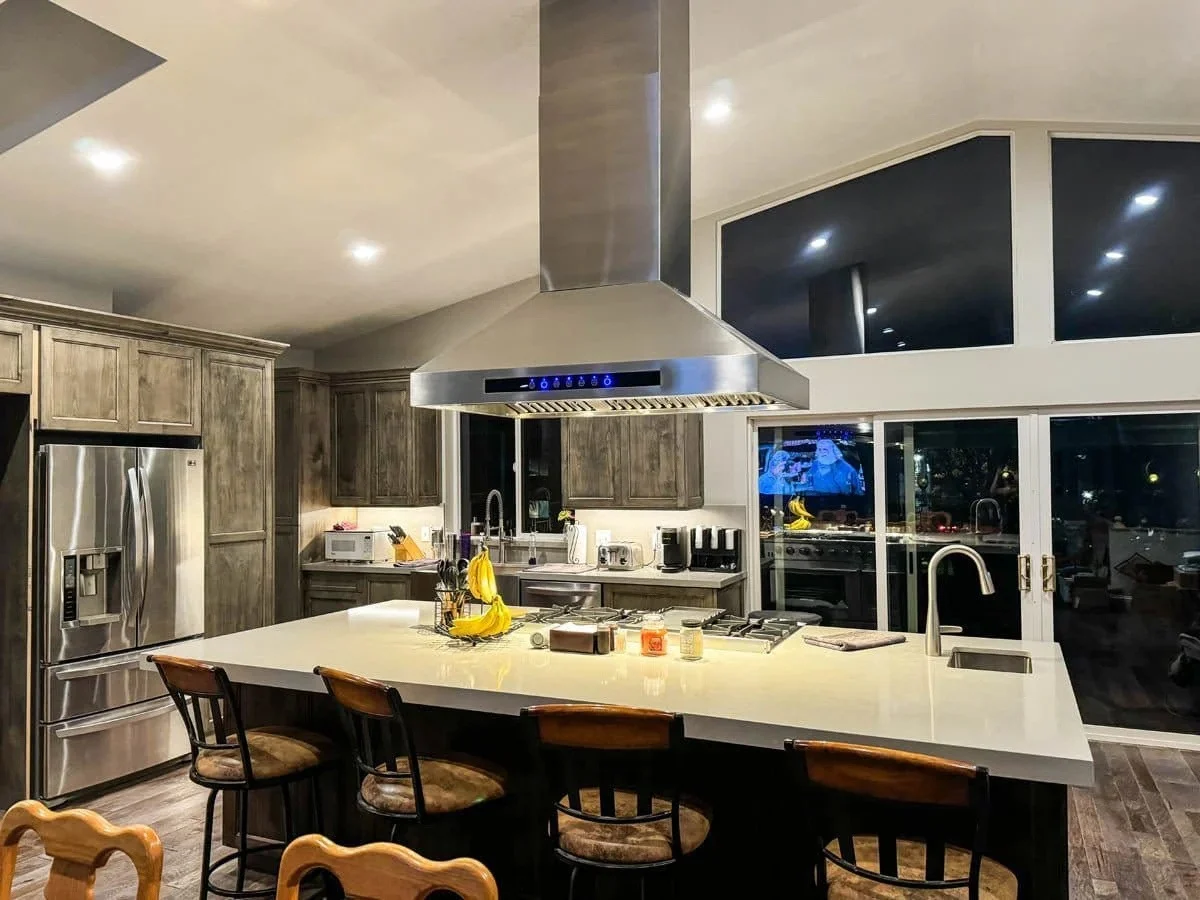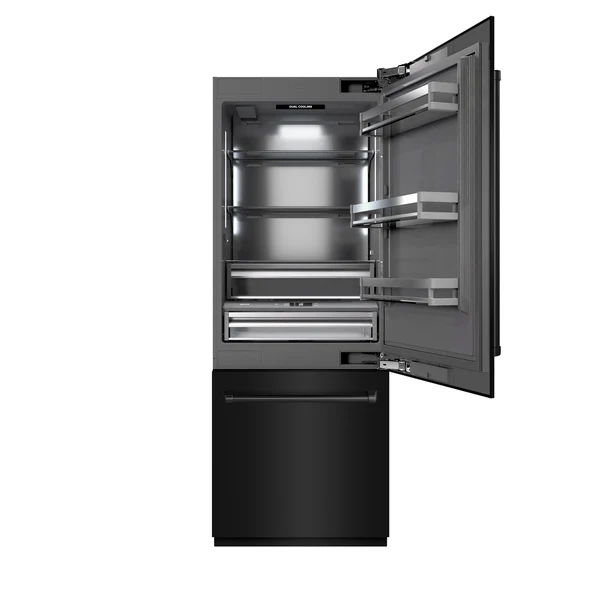
A refrigerator is one of the hardest-working appliances in any kitchen, so choosing one involves more than comparing appearance and storage capacity. The right model needs to fit the available space, accommodate your shopping habits, complement the rest of the kitchen, and provide practical features for everyday use. KitchenAid offers several refrigerator configurations, including French door, side-by-side, bottom-freezer, built-in, and counter-depth designs. For homeowners considering a KitchenAid refrigerator, understanding these differences can make the selection process much easier.
Start With the Refrigerator Configuration
The layout of a refrigerator affects how easily you can access fresh and frozen foods. KitchenAid refrigerator currently offers several major configurations, each suited to different kitchen layouts and storage preferences.
French Door Refrigerators
French door models use two upper doors for the refrigerator compartment with a freezer drawer underneath. This arrangement provides broad access to fresh foods and can make it easier to organize larger containers, trays, and everyday ingredients.
The split-door design can also be useful when kitchen space is limited because each door requires less swing clearance than a single wide door.
Side-by-Side Refrigerators
Side-by-side models place the refrigerator and freezer compartments vertically next to each other. This keeps both sections within easy reach and provides a straightforward organization system.
They can be particularly practical for kitchens where a wide freezer drawer would interfere with nearby cabinets or walkways.
Bottom-Freezer Refrigerators
Bottom-freezer designs position the refrigerator compartment above the freezer. Since fresh foods are generally accessed more frequently, placing them higher can reduce the need to bend down repeatedly.
Built-In and Counter-Depth Models
Counter-depth refrigerators sit closer to surrounding cabinetry and can create a more integrated appearance. KitchenAid notes that counter-depth models typically sacrifice some interior capacity compared with standard-depth models in exchange for a more streamlined footprint.
Built-in models can provide an even more seamless appearance, particularly in kitchens designed around coordinated cabinetry and appliances.
Measure Your Space Before Shopping
A refrigerator can have excellent features and still be the wrong choice if it does not fit the kitchen properly. Measure the available height, width, and depth before comparing models.
Also check:
- Door-opening clearance
- Clearance beside walls or cabinets
- Space above the refrigerator
- Pathways used to bring the appliance into the home
- Water and electrical connections
- Depth relative to surrounding countertops
- Clearance required for drawers and freezer doors
Remember to account for ventilation and the manufacturer’s installation requirements rather than measuring only the empty cabinet opening.
Consider How Much Storage You Actually Need
More capacity is not automatically better. A larger refrigerator can provide useful flexibility for large households, but it also requires more kitchen space and may consume more energy. ENERGY STAR recommends choosing an appropriately sized refrigerator because larger units generally use more energy. Think about your normal shopping habits. Someone who buys fresh produce several times a week may prioritize refrigerator shelf space, while a household that freezes prepared meals may need a more substantial freezer compartment.
The goal is to select capacity based on actual usage rather than simply choosing the largest available model.
Look at Interior Organization
Capacity tells you how much space is available, but organization determines how effectively you can use it.
Adjustable shelves, full-width drawers, door bins, crispers, sliding trays, and specialized temperature zones can make a significant difference in everyday convenience. Current KitchenAid models include features such as temperature-controlled pantry drawers and flexible storage configurations on select refrigerators.
Before buying, consider the foods you regularly store. Large bottles, produce, meal-prep containers, pizza boxes, and wide serving dishes can all influence which interior arrangement works best.
Decide If Stainless Steel Fits Your Kitchen
A stainless steel refrigerator remains a popular choice because the finish works with many kitchen styles and coordinates easily with other appliances.
KitchenAid describes stainless steel as a versatile finish that can complement contemporary and traditional kitchens. Select models also feature PrintShield finishes designed to resist fingerprints and smudges and simplify everyday cleaning. When comparing finishes, consider the other appliances, cabinet colors, countertops, and hardware in the room. A coordinated finish can make the entire kitchen feel more intentional.
Think About Everyday Convenience Features
Modern refrigerators can include features designed around specific routines. Depending on the model, these may include exterior water and ice dispensers, adjustable storage, temperature-controlled compartments, specialized cooling systems, and smart or automated dispensing functions.
KitchenAid’s current refrigerator range includes its Intelligent Auto Fill technology on select models, which automatically detects a container and fills it with water.
Features should be evaluated according to how often you will actually use them. A refrigerator with fewer features may be a better choice than a highly equipped model if the additional functions do not match your routine.
Pay Attention to Food Preservation
Consistent temperature and appropriate humidity management are important for maintaining food quality. Some KitchenAid refrigerators use the Preserva Food Care System, which incorporates independent cooling systems designed to help maintain appropriate humidity. Other models may include specialized drawers or air-filtration features. These can be useful for households that store a lot of fresh produce or want greater flexibility in organizing different foods.
Consider Energy Consumption
Refrigerators operate continuously, so energy efficiency deserves attention when comparing models. ENERGY STAR states that certified refrigerators are about 9% more energy efficient than models meeting the federal minimum efficiency standard.
Look beyond the purchase price and consider estimated annual energy use. Choosing an appropriately sized appliance, maintaining good door seals, and avoiding unnecessarily large capacity can also help reduce energy consumption.
Match the Refrigerator to Your Kitchen Design
The refrigerator should work visually as well as functionally. A sleek counter-depth model may suit a minimalist kitchen, while a larger standard-depth refrigerator may make more sense in a spacious family kitchen.
For open-concept spaces, finish and proportions become especially important because the refrigerator is often visible from dining and living areas. Built-in and panel-ready options can create a more integrated appearance, while stainless steel can provide a distinctive professional-style look. KitchenAid offers built-in, counter-depth, and freestanding configurations to accommodate different design approaches.
Conclusion
Choosing a refrigerator is ultimately about matching storage, dimensions, functionality, efficiency, and design to the way your household uses the kitchen. Comparing configurations, measuring the installation space carefully, and evaluating useful features can prevent costly mistakes. For homeowners comparing kitchen refrigeration options, paying attention to capacity, configuration, installation requirements, and finish will make it easier to narrow down the choices and create a kitchen that is both practical and visually cohesive. Can be considered across a wide range of kitchen layouts, from counter-depth French door designs to spacious freestanding and built-in configurations.