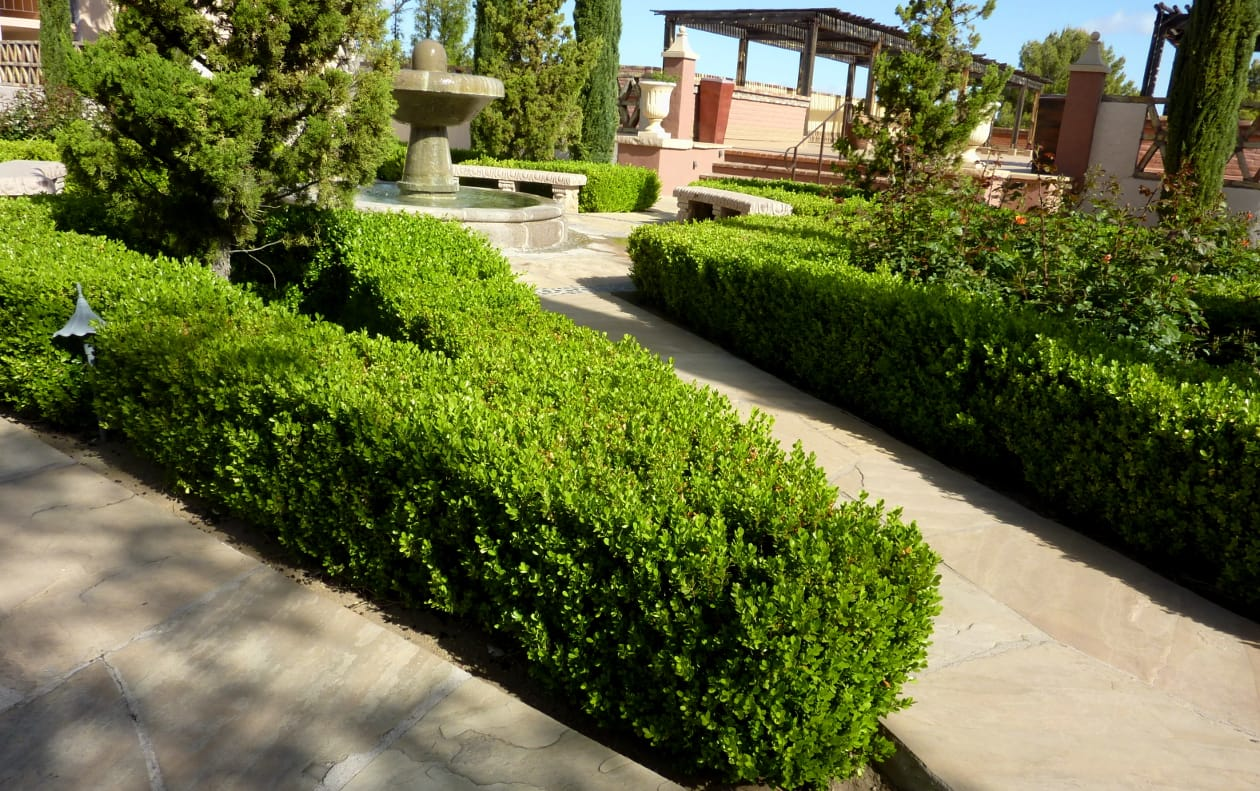
Creating privacy in a yard does not always require a fence or wall. Plants can provide a softer natural screen while adding greenery, structure, and visual interest to outdoor spaces. The right hedge can separate neighboring properties, define garden areas, reduce unwanted views, and create a more enclosed atmosphere around patios or outdoor living spaces.
When selecting privacy hedge plants, homeowners should look beyond how quickly a plant grows. Mature height, width, climate suitability, sunlight, watering requirements, pruning needs, and the available planting space all influence whether a hedge will remain healthy and effective over time.
What Makes a Good Privacy Hedge?
An effective privacy hedge needs characteristics that match the purpose of the planting area. Evergreen plants are often preferred when year-round screening is important because they maintain foliage through seasons when deciduous plants may lose their leaves.
Growth habit is equally important. Dense branching can create a more continuous visual barrier, while plants with a naturally open structure may require closer spacing or more pruning to achieve similar coverage.
Mature size should also be considered before planting privacy hedge plants. A small nursery plant may look perfectly suited to a narrow border, but its eventual width could become a problem if it is planted too close to a walkway, structure, or property boundary.
Consider Your Local Growing Conditions
Climate is one of the first factors to evaluate when choosing hedge plants. A species that performs well in one region may struggle in another because of differences in winter temperatures, summer heat, rainfall, humidity, or soil conditions.
The USDA Plant Hardiness Zone Map is a useful starting point for determining whether a perennial landscape plant is likely to tolerate the average minimum winter temperatures in a particular area. The USDA explains that hardiness zones are based on average annual extreme minimum temperatures and are intended to help gardeners select suitable plants.
Measure the Planting Area First
A hedge planted too close to a building may eventually interfere with windows, gutters, walkways, or exterior maintenance. Plants positioned directly against a property line can also extend into neighboring areas as they mature. Before purchasing privacy hedge plants, measure the space where they will be planted. Consider both the current dimensions and the mature size of the selected species.
Creating a simple planting plan can help determine how many plants are required and how much space should be left between individual specimens.
Choose Between Formal and Natural Hedges
The desired appearance can help determine which type of hedge is appropriate.
A formal hedge typically has a consistent shape and requires regular trimming to maintain straight lines or defined edges. This approach works well around structured gardens, pathways, and contemporary landscapes.
A natural hedge allows plants to retain more of their characteristic shape. It can create a softer appearance and may require less frequent shaping, although occasional pruning is still useful for controlling size and removing damaged growth.
The choice depends on the surrounding landscape and how much maintenance the homeowner is prepared to perform.
Think About Sunlight Requirements
Light exposure has a major effect on plant health. Some hedge species thrive in full sun, while others tolerate partial shade. Planting a sun-loving species in a heavily shaded location can result in weak growth, sparse foliage, or reduced density.
Observe the planting area throughout the day before choosing privacy hedge plants. Nearby buildings, mature trees, fences, and other structures can change the amount of sunlight reaching the plants.
It is also important to recognize that sunlight conditions can change as nearby trees grow. A location that receives full sun today may become partially shaded several years later.
Conclusion
Different species can provide different combinations of density, growth rate, texture, and maintenance requirements. For example, a wax leaf privet (Ligustrum) can be considered when its growing conditions and mature characteristics align with the intended landscape design. Ultimately, the most suitable hedge is one that fits the property’s climate, available space, desired level of privacy, and long-term maintenance plan.