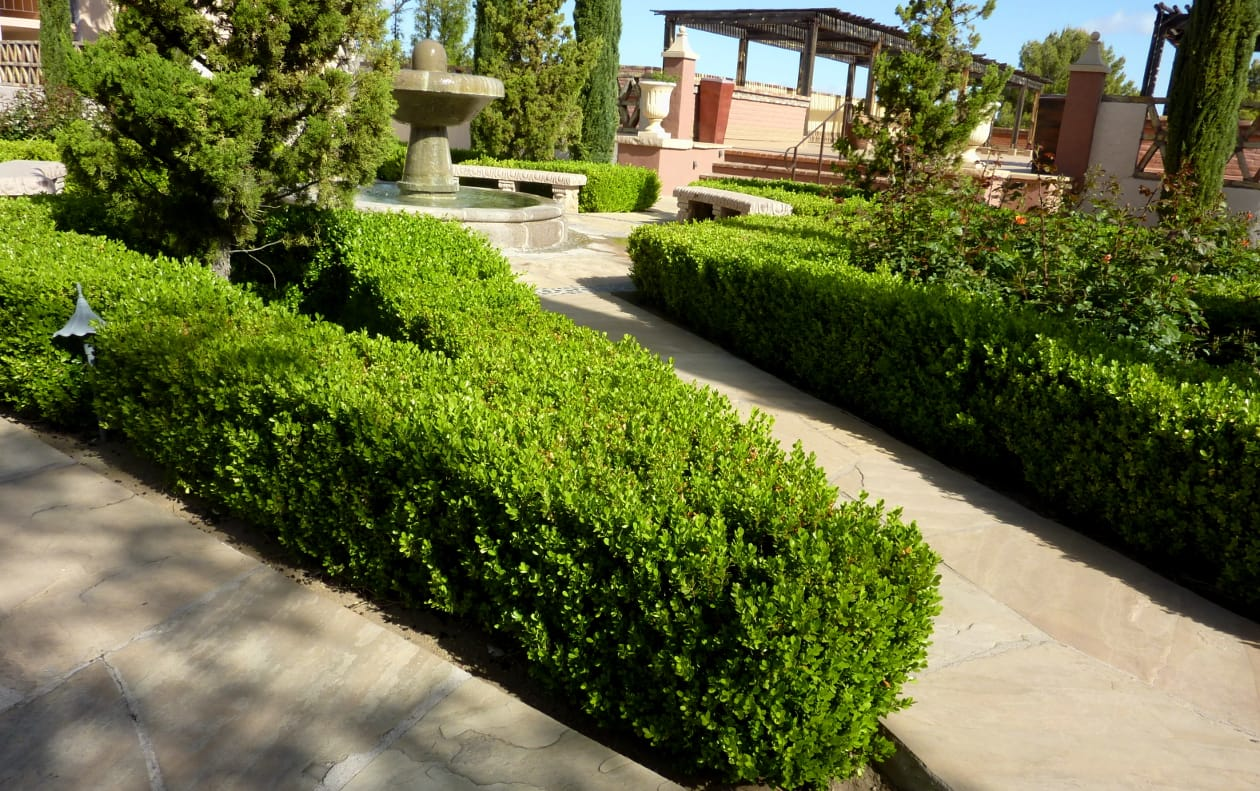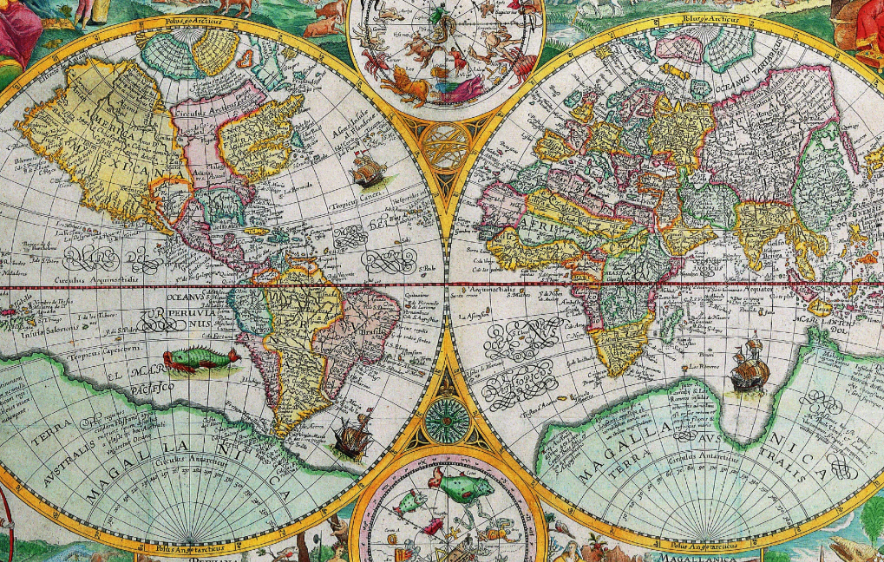
Travel-inspired puzzles combine two engaging subjects: the challenge of assembling an image and the appeal of discovering places, landscapes, maps, and cultural details. Unlike traditional puzzles that may focus on a single landscape or illustration, travel-themed designs can recreate destinations, historic maps, landmarks, city scenes, and vintage travel artwork.
For adults looking for an activity connected to geography, memories, or future adventures, travel puzzles can offer a screen-free way to spend time with a destination-inspired image. The right choice depends on factors such as piece count, difficulty, design style, available space, and the amount of time you want to spend puzzling.
What Are Travel Puzzles?
Travel puzzles are jigsaw puzzles built around travel-related subjects. Their artwork may feature famous destinations, maps, architecture, natural scenery, transportation, cultural imagery, or vintage travel advertisements.
The category is broad, which means two puzzles described as travel puzzles can provide very different experiences. A map puzzle may emphasize geographic details and historical information, while a landscape puzzle may rely more heavily on colors, shapes, and visual patterns. Destination puzzles can also recreate recognizable architecture or city scenes.
Why Are Travel-Themed Puzzles Popular?
One reason these puzzles appeal to adults is their connection to personal experiences. A puzzle depicting a familiar city, national park, coastline, or historic landmark can turn a favorite destination into an activity that can be revisited at home.
They can also introduce visual details about places that someone has never visited. Maps, architecture, landscapes, and cultural imagery can encourage curiosity about geography and history while providing the conventional problem-solving challenge associated with jigsaw puzzles.
Research and expert commentary on travel puzzles generally point to mentally stimulating activities as engaging multiple cognitive processes, including visual-spatial processing and problem-solving. However, puzzles should be viewed as a leisure activity rather than a substitute for established approaches to maintaining cognitive health.
How Do You Choose the Right Travel Puzzle?
Choosing among puzzles becomes easier when you consider how you prefer to solve puzzles rather than focusing only on the destination shown on the box.
Consider the Piece Count
Piece count is one of the clearest indicators of how extensive a travel puzzle session may be. Smaller puzzles can be appropriate for shorter sessions, limited table space, or people who prefer completing a design relatively quickly.
Larger puzzles provide more pieces to sort and assemble and generally require more workspace. Current travel collections include several piece-count categories, including under 100, 101–200, 201–300, 301–400, 401–500, 500+, and 1,000+ pieces.
Check the Difficulty Level
Piece count is not the only factor that determines difficulty. A puzzle with strong color variation and clearly defined objects may be easier to organize than one containing large areas of similar colors.
Think About the Artwork
The image itself can determine whether you enjoy the puzzle. Maps provide geographic details, while destination scenes may focus on architecture, nature, or recognizable landmarks. Vintage travel posters offer another approach, combining historical advertising artwork with destination imagery.
What Should You Consider Before Starting One?
Workspace is an important practical consideration. A puzzle should have enough room for the assembled area as well as loose pieces that need to be sorted. Larger designs can require a dedicated table or puzzle board.
Lighting also matters, particularly for artwork containing small details or similar shades. Good organization can make the process easier: separating edge pieces first, grouping colors or visual elements, and keeping completed sections together are common strategies.
If the puzzle will be moved between sessions, consider how the unfinished pieces will be protected. A puzzle mat, board, or suitable storage surface can help prevent pieces from being displaced.
Conclusion
The best puzzles are not defined by destination alone. Piece count, difficulty, artwork, cut style, material, workspace, and personal interests all influence the overall experience. Whether you prefer maps, historic posters, natural scenery, or recognizable landmarks, selecting a design that matches your preferred challenge can make puzzling more enjoyable. Nautilus Puzzles offers travel-themed designs spanning destinations, maps, landscapes, and landmarks, illustrating how broad the category can be.