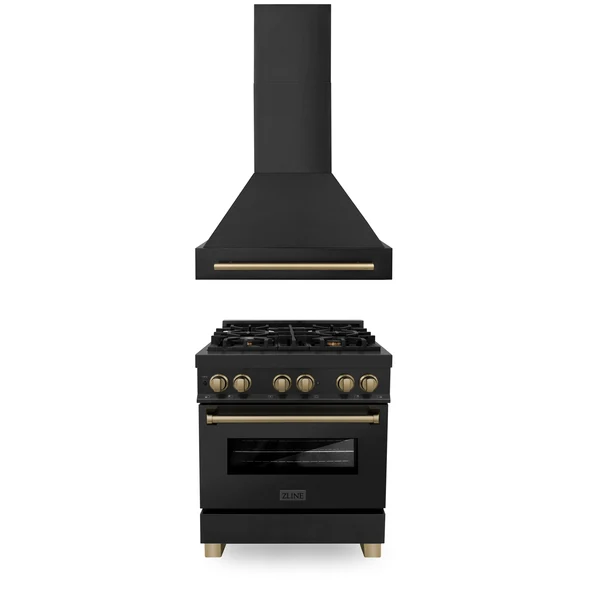
Planning a kitchen renovation involves more than selecting individual appliances based on appearance. Each appliance needs to fit the available space, support how the kitchen is used, and work alongside the other equipment. Choosing kitchen appliance packages can simplify this process by bringing complementary appliances together in coordinated configurations. Instead of comparing every appliance separately, homeowners can consider how cooking, ventilation, cleaning, and refrigeration will work as one system. The right combination ultimately depends on kitchen size, cooking habits, layout, design preferences, and the features that will provide practical value over time.
Start With Your Kitchen Layout
Before choosing appliances, measure the available spaces carefully. Cabinet dimensions, counter depth, electrical connections, gas lines, ventilation routes, and door clearances can all influence which models are suitable.
Think about how appliances will be positioned in relation to one another. A range should have sufficient preparation space around it, while a dishwasher should ideally be positioned close to the sink. Refrigeration placement also matters because frequently accessed items should be easy to reach without disrupting cooking areas.
A package can simplify coordination, but measurements should still be verified against each appliance’s installation requirements.
Decide Which Appliances You Actually Need
Not every kitchen requires the same number of appliances. A smaller household may need a range, hood, refrigerator, and dishwasher, while a larger or more cooking-focused kitchen may benefit from additional equipment.
Available package configurations can range from combinations centred around a range and hood to larger suites that incorporate dishwashers, microwaves, and refrigeration. Current collections include two-piece through six-piece package categories, depending on the brand and configuration.
Start with the appliances that are essential to your daily routine, then determine whether additional equipment will genuinely improve functionality.
Match Cooking Equipment to Your Habits
Cooking style should influence the type of range, cooktop, or oven you choose. Someone who frequently prepares multiple dishes at once may have different requirements from someone who primarily cooks simple meals.
Gas, dual-fuel, and other cooking configurations provide different operating characteristics. Ventilation should also be considered at the same time because the range hood needs to suit the cooking surface and kitchen layout.
For homeowners seeking luxury kitchen appliances, appearance may be an important consideration, but practical specifications such as cooking capacity, burner configuration, oven size, controls, and ventilation should remain part of the decision.
Consider Ventilation Alongside the Range
A powerful cooking appliance can generate heat, steam, smoke, and cooking odours, making appropriate ventilation an important part of kitchen planning. The range hood should be evaluated alongside the cooking appliance rather than treated as a separate purchase.
Package configurations can combine ranges with under-cabinet, island, or other hood styles, depending on the design. The current collection includes packages pairing gas or dual-fuel ranges with different range hood configurations.
This approach can make it easier to coordinate both the functional requirements and visual proportions of the cooking area.
Think About Consistent Design
A coordinated appliance suite can create a more cohesive appearance across the kitchen. Finish, handle design, appliance proportions, and control placement can all influence how the completed space looks.
However, visual consistency should support—not replace—functional planning. A beautifully coordinated kitchen still needs sufficient refrigerator capacity, suitable cooking equipment, effective ventilation, and convenient cleaning appliances.
For homeowners comparing premium cooking appliances, it is useful to consider how the entire collection will look together rather than selecting each appliance independently.
Compare Package Sizes and Configurations
The number of appliances included is another important consideration. A three-piece package may be appropriate for a kitchen centred around cooking and cleaning, while a four- or five-piece configuration can incorporate additional appliances.
Compare what each package actually includes rather than assuming that a larger package automatically suits your needs. Check dimensions, installation requirements, appliance specifications, and the features included with each component.
Conclusion
Choosing appliance packages works best when the decision starts with the kitchen’s layout, cooking habits, appliance requirements, ventilation needs, and overall design. For those exploring coordinated appliance suites and different package sizes, Smart Home Luxury provides kitchen packages featuring Proline and ZLINE configurations for a range of kitchen layouts and requirements. Reviewing complete configurations can simplify planning while helping homeowners coordinate essential equipment.