Introduction
South Asian weddings are associated with their rich culture and colorful festivities. Invitations are an important part of such events and it represents happiness and unity. An invitation is more than a mere statement written on a piece of paper; it represents the traditions and values of the family, as well as the personal style of the couple. In the modern era, brides and grooms are more and more seeking to incorporate the traditional and the trendy in their invitations and make them meaningful and attractive.
The significance of Traditional Invitations.
A traditional shadi card is usually characterized by the wealth of colors such as red and gold, elaborate patterns and religious themes. These are symbolic of prosperity, happiness, and blessings to the couple. The traditional invitations are cultural and in many cases, they contain formal language, family names and religious verses.
These invitations are emotional to many families because they emphasize on heritage and traditions that were passed down with the family. They provide the feeling of respect and formality, particularly to elder guests who value cultural authenticity.
Development of Design Styles.
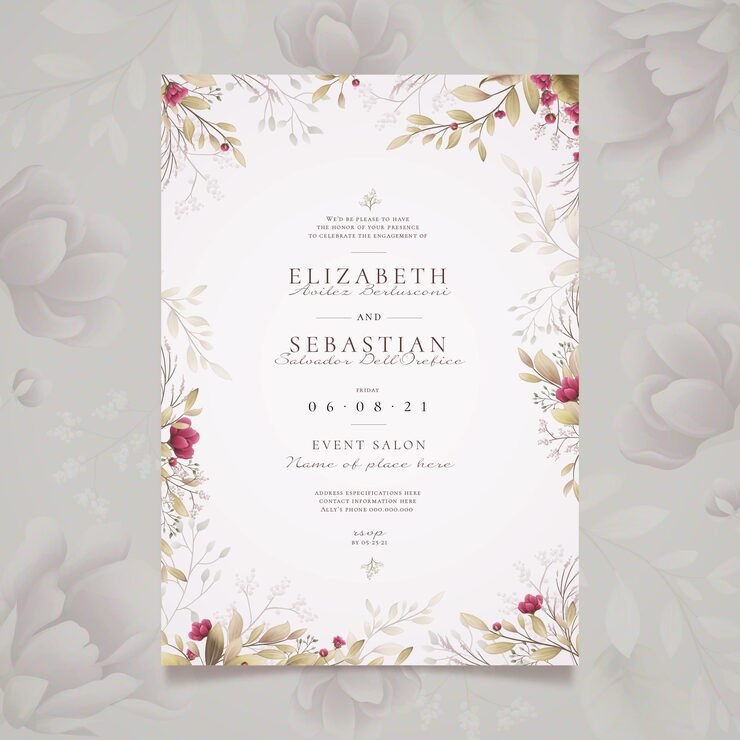
Invitation designs have over the years been modified to incorporate modernism. Couples now want to have a blend between traditional and contemporary, and they have a distinctive blend that depicts personality.
The contemporary trends have brought more refined designs, soft color schemes and new formats. Many couples are also choosing balanced designs with a combination of minimalist designs and traditional motifs, instead of heavily decorated cards. This merger enables them to celebrate their heritage and at the same time adopt new trends.
Layout and Structure
A good shadi card design consists of distinct areas to various functions like mehndi, baraat, and walima. Each event was traditionally inserted on separate inserts, which made the invitation bulky.
Contemporary designs are however concerned with simplicity and readability. Designers are even formulating structured formats that give all the information in a clear way without bombarding the reader. The use of folded cards, booklet-type invitations, and single-sheet layouts are emerging as a trendy option that is both elegant and adds functionality.
Finishing and Material choices.
Conventional cards are typically crafted out of thick paper with embossed information making them heavy and old fashioned. Such materials to be used in order to improve the visual appeal are the handmade paper and textured cardstock.
There are modern alternatives such as acrylic, wood and fabric which provide a new and innovative style. Invitations made of acrylic give a smooth and modern appearance, whereas invitations made of fabric like silk or velvet have a luxurious feel. Such new materials are used to produce invitations that are memorable and distinctive.
Typography and Choice of Language.
Urdu calligraphy is also a traditional substitute of invitations, as it also includes a touch of art and culture. Beautiful script fonts also add to the design and make the invitation formal.
Meanwhile, contemporary designs tend to mix Urdu text and English text. The combination allows the invitations to be more accessible to a greater audience, especially when the guests have different backgrounds. The trick here is to use a balance of ornamental fonts and readability that all the information is easy to comprehend.
Creative Packaging Ideas
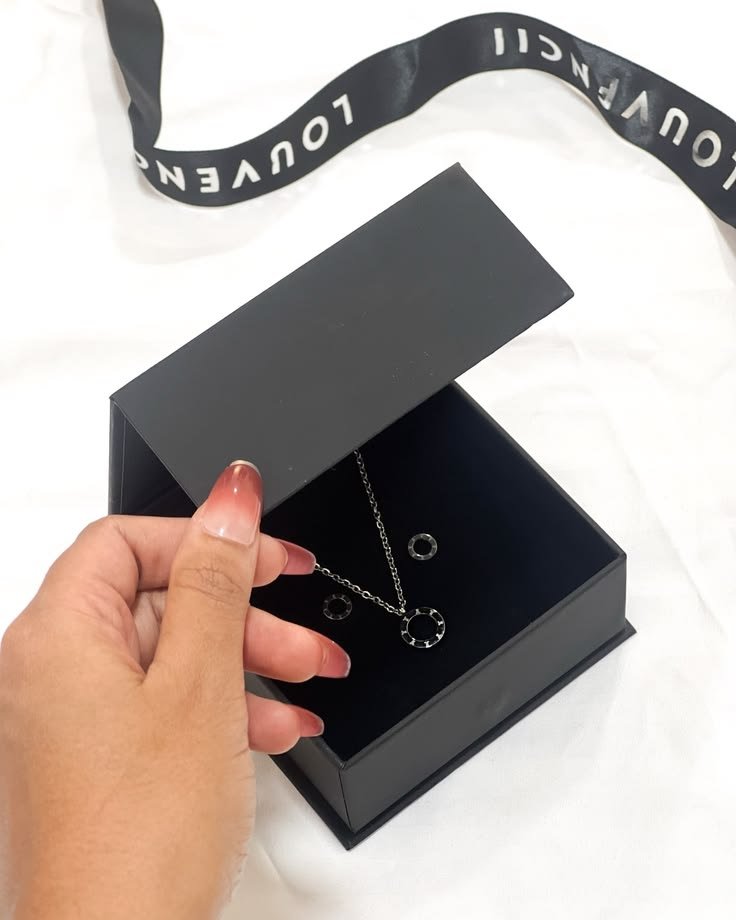
Invitation design has become an instrumental component of packaging. Custom made envelopes, ribbons, and decorative boxes add excitement and interest to the presentation, as well as make guests excited.
Today, couples are trying something new in the form of packaging e.g. magnetic boxes, scroll cases, and layered envelopes. These innovative ideas do not only safeguard the invitation, but also the experience of unboxing becomes unforgettable. Considerate packaging gives the invitation a touch of grandeur and significance.
Color Combinations
Although the conventional colors such as red, gold and maroon are still being used, a lot of couples are trying out pastels and metallic colors. These new combinations make invitations cool and contemporary.
Blush pink, mint green and lavender soft tones are frequently combined with gold or silver accents to produce a modern touch. Color mixing like navy and gold or black and champagne are also on trend which provides a cool and classy look.
Adding Personal Touches
Trend of personalization is increasing. Lovers are now incorporating their love story or engagement details or core messages in their invitations, which make them even more special.
Monograms, custom illustrations and even venue sketches are being added to produce a unique identity. Other couples have been known to add handwritten messages or small gifts to their invitations to ensure that they are memorable. Such personal touches contribute to forming a closer emotional bond with guests.
The functions of Technology in the Modern Invitations.
Invitation design is also being affected by technology. QR codes, wedding sites, and online RSVPs are emerging as a new aspect. The tools enable guests to easily access event information, confirm their attendance and keep up to date.
Through the incorporation of technology, couple could save on the multiple inserts and still manage to make their invitation clean and organized. It also provides a contemporary and convenient flavor to the whole experience.
Conclusion
Tradition and modern design mix will enable the couples to design meaningful and stylish invitations. The incorporation of some cultural aspects with modern trends will allow creating an invitation which will will actually be characteristic of your personality and heritage. An invitation well considered turns out to be more than an announcement; it will be a treasured souvenir that will retain the theme of your special occasion.