Businesses across the food and beverage industry rely on consistent ingredient sourcing to maintain quality and meet customer demand. Purchasing raw coffee beans in bulk has become a practical choice for coffee roasters, manufacturers, and private label brands seeking greater efficiency. Bulk procurement can help reduce costs, improve inventory planning, and provide better control over production. However, these advantages depend on selecting quality beans, following proper storage practices, and working with reliable suppliers throughout the purchasing process.
Lower Purchasing Costs
Buying coffee in larger quantities often lowers the cost per unit compared to placing frequent small orders. Suppliers may offer better pricing for bulk purchases because packaging, handling, and transportation costs are distributed across a larger shipment. This approach can also simplify procurement by reducing the number of purchase orders placed throughout the year.
For businesses with steady production schedules, buying raw coffee beans in bulk may improve budgeting and reduce the impact of short-term market price fluctuations. Although prices still depend on factors such as origin, grade, and global supply, bulk purchasing can support more predictable operating costs.
Longer Shelf Life
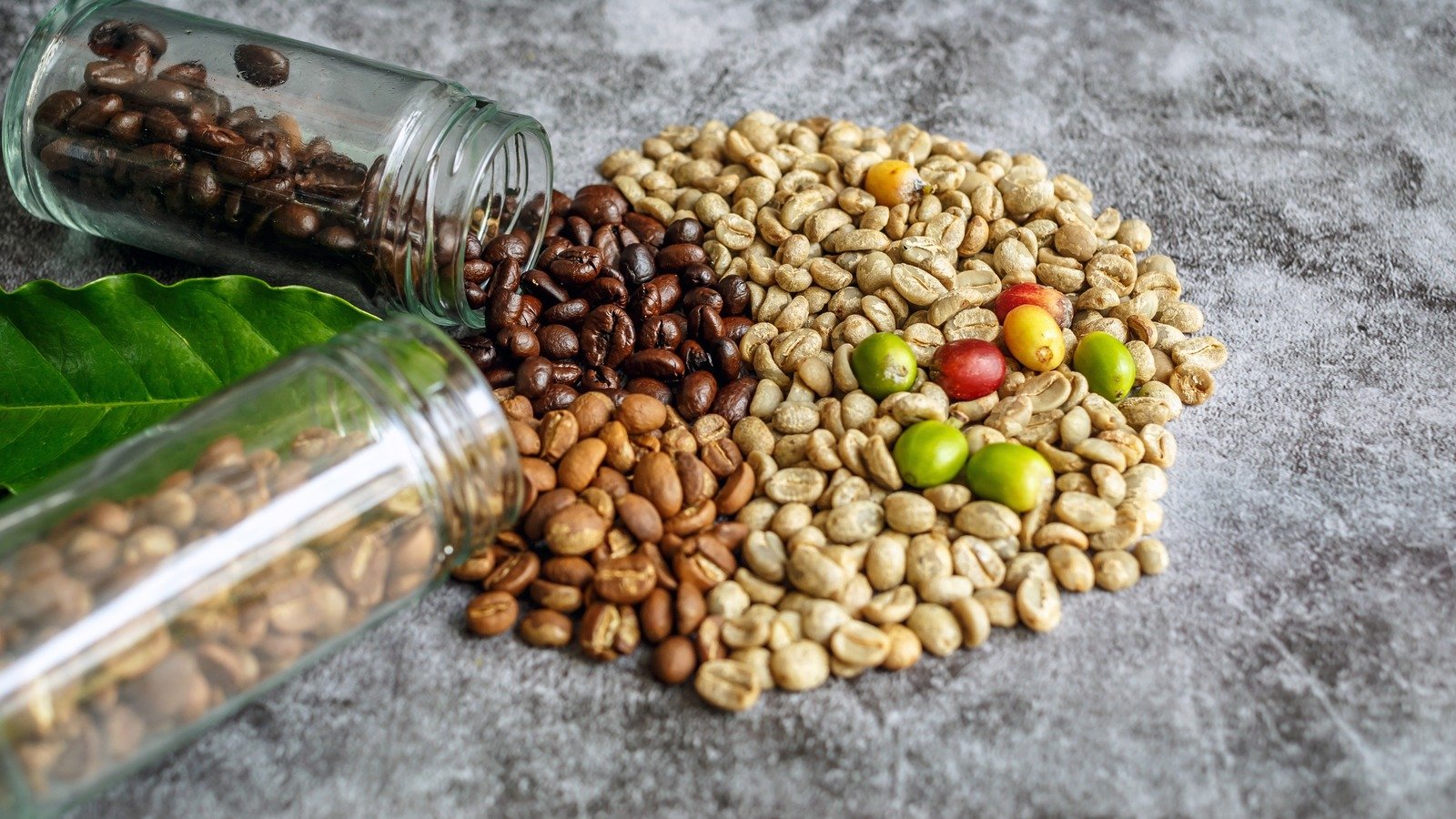
Green coffee beans generally remain fresh longer than roasted coffee when stored under suitable conditions. Proper storage in a cool, dry, and well-ventilated environment helps preserve bean quality while minimizing exposure to excess moisture and strong odors.
The longer shelf life allows businesses to maintain inventory for extended periods without the rapid flavor changes associated with roasted coffee. This reduces unnecessary waste and provides greater flexibility when scheduling production based on market demand.
Greater Control and Product Quality
Purchasing green coffee beans allows businesses to determine their own roasting profiles instead of relying on pre-roasted products. This flexibility helps create blends that match specific flavor, aroma, and consistency requirements.
Businesses can also choose beans based on origin, processing method, and quality grade to suit different product lines. Greater control during roasting supports consistent product quality, which is particularly important for manufacturers and specialty coffee businesses serving diverse customer preferences.
Reliable Supply for Uninterrupted Operations
Maintaining an adequate inventory helps businesses continue production without unexpected interruptions caused by supply shortages. Bulk purchasing supports production planning by ensuring that sufficient stock is available for scheduled manufacturing or roasting activities.
This approach is especially useful for growing businesses that experience consistent demand throughout the year. For example, companies such as Starlon Naturals, with expertise in coffee manufacturing and bulk B2B supply, help businesses maintain consistent product availability, dependable supply planning, and access to a diverse range of coffee solutions for commercial operations.
Choosing the Right Supplier for Bulk Purchases
Before placing a bulk order, businesses should evaluate several factors to ensure consistent quality and reliable supply. Key considerations include:
- Bean Origin: Verify where the coffee is grown, as origin influences flavor characteristics, consistency, and traceability.
- Quality Standards: Review grading, moisture levels, and sample evaluations before committing to large purchases.
- Certifications: Check whether the supplier follows recognized food safety and quality management practices where applicable.
- Storage and Packaging: Ensure the beans are packaged to protect them during transportation and storage.
- Logistics: Confirm delivery schedules, order fulfillment capability, and inventory support for long-term purchasing needs.
Carefully reviewing these factors can help businesses reduce sourcing risks while maintaining consistent product quality.
Why Sourcing Region Matters
The region where coffee is cultivated influences bean characteristics, growing conditions, and harvest quality. Understanding coffee highest production in India helps buyers evaluate sourcing options more effectively. Karnataka accounts for the largest share of India’s coffee production, followed by Kerala and Tamil Nadu. These states produce both Arabica and Robusta varieties under favorable climatic conditions.
Regional production patterns also influence bean availability, sourcing consistency, and procurement planning. Evaluating producing regions alongside quality standards enables businesses to make informed purchasing decisions that align with their production goals.
Conclusion
Buying raw coffee in bulk can provide meaningful advantages for businesses seeking cost efficiency, consistent quality, and reliable inventory management. The benefits become more valuable when supported by proper storage, careful supplier evaluation, and informed sourcing decisions. Businesses should assess their production requirements, quality expectations, and logistics before making large purchases. A balanced approach that considers both pricing and supplier reliability can contribute to long-term operational efficiency and consistent product quality across different market conditions.