Reduced mobility can make everyday tasks more difficult, affecting independence, work, and recreational activities. Pain, stiffness, or weakness may develp after an injury or because of a musculoskeletal condition. Consulting an orthopaedic surgeon in Adelaide ocan help identify the underlying cause and recommend suitable care.
Early medical assessment often improves the chances of restoring movement and preventing further complications. Appropriate treatment, combined with rehabilitation, can improve joint function and support a gradual return to normal activities while helping maintain long-term mobility and physical wellbeing.
Conditions That Commonly Reduce Mobility
Many musculoskeletal conditions can affect movement and reduce physical function. Identifying the cause of restricted mobility helps guide suitable treatment and recovery. Common conditions that may affect mobility include:
- Osteoarthritis: Degeneration affecting the joint can lead to cartilage loss, pain, stiffness, swelling, and reduced flexibility, particularly in weight-bearing joints such as the hips and knees.
- Fractures: Broken bones may temporarily restrict movement and can affect joint function if healing is delayed or bone alignment changes during recovery.
- Sports injuries: Damage involving muscles, cartilage, ligaments, or tendons may reduce strength, stability, and range of motion, making everyday activities more challenging.
- Tendon and ligament injuries: Tears or inflammation can affect balance, joint support, and normal movement, especially during walking, lifting, or climbing stairs.
- Degenerative spine conditions: Changes affecting the spine may lead to back pain, weakness, or numbness that limits mobility and affects routine physical activities.
Recognising these conditions at an early stage allows timely medical assessment and supports informed treatment decisions. Addressing the underlying problem before symptoms worsen may improve recovery, reduce functional limitations, and encourage better long-term movement.
How an Orthopaedic Surgeon Identifies the Cause
Finding the exact reason for reduced mobility requires more than recognising symptoms alone. A specialist begins by reviewing medical history, discussing current concerns, previous injuries, and assessing how movement limitations affect everyday activities and physical function.
A physical examination follows to assess joint stability, muscle strength, flexibility, and range of motion. Simple movement tests help identify areas of weakness, stiffness, instability, or restricted movement that may indicate the source of the problem.
Imaging investigations such as X-rays, MRI scans, or ultrasound may provide additional information when required. Combining examination findings with imaging results helps establish an accurate diagnosis and supports informed decisions about the most suitable treatment approach.
Treatment Options Based on Individual Needs
Treatment depends on the diagnosis, symptom severity, overall health, and personal activity goals. Many mobility concerns improve with conservative care, while some conditions require surgery. Treatment options may include:
- Physiotherapy: Guided exercises improve muscle strength, flexibility, balance, and joint stability while encouraging better movement during everyday activities.
- Medication: Pain-relieving or anti-inflammatory medicines may reduce discomfort, making rehabilitation exercises easier to perform and improving daily function.
- Joint injections: Selected injections may reduce inflammation or provide temporary pain relief, helping improve mobility for suitable joint conditions.
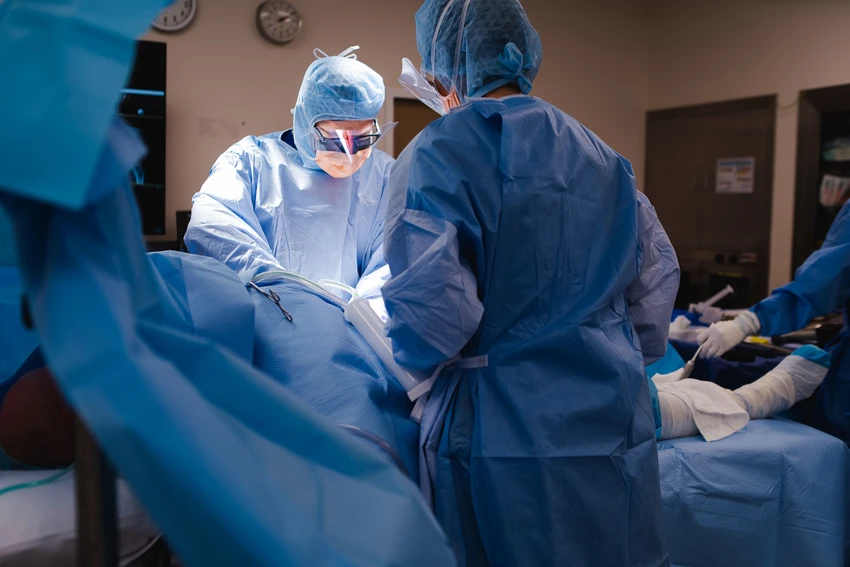
- Surgical treatment: Procedures such as joint replacement, fracture fixation, ligament reconstruction, tendon repair, or arthroscopy may become appropriate when non-surgical care no longer provides satisfactory improvement.
Choosing the most suitable treatment depends on individual clinical findings rather than a single solution for every condition. Matching treatment with the underlying cause supports better recovery, improves function, and increases the likelihood of returning to normal daily activities.
Rehabilitation and Long-Term Mobility
Recovery continues after treatment and remains an essential part of restoring movement and physical function. Rehabilitation focuses on rebuilding strength, improving flexibility, increasing confidence, and supporting a gradual return to everyday activities through consistent progress.
Physiotherapy programmes usually progress in stages, allowing healing tissues to recover while steadily improving balance, coordination, muscle strength, and joint function. Following professional advice and completing prescribed exercises can reduce the likelihood of future injuries and improve overall mobility.
Regular follow-up appointments help monitor progress and allow rehabilitation plans to change when necessary. Depending on the recommended procedure and individual circumstances, treatment or surgery may take place in an Adelaide private hospital, where rehabilitation services can support recovery and encourage lasting improvements in movement.
Conclusion
Restoring mobility requires accurate diagnosis, appropriate treatment, and consistent rehabilitation working together throughout recovery. Each stage contributes to reducing pain, improving movement, and helping individuals regain confidence while returning to everyday responsibilities and physical activities.
Seeking timely advice from an orthopaedic surgeon in Adelaide allows musculoskeletal conditions to receive appropriate attention before mobility declines further. An individual treatment plan, combined with steady rehabilitation and healthy lifestyle habits, can improve function, support independence, and promote better joint health over the long term.