Healthy vision is important for everyday life. From reading and driving to using digital devices, our eyes play a key role in everything we do. Many people focus on general eye care but often overlook the retina, which is one of the most important parts of the eye.
The retina is a thin layer of tissue located at the back of the eye. It helps convert light into signals that the brain understands as images. When the retina is not working properly, it can lead to serious vision problems.
If you are experiencing vision changes, it is important to consult a retina specialist dubai who can diagnose and treat retinal conditions using advanced methods. Early care can make a big difference in protecting your eyesight.
Understanding the Retina and Its Role
The retina works like a camera sensor. It captures light and sends visual signals to the brain through the optic nerve. This allows you to see clearly and recognize shapes, colors, and movement.
The retina has two main parts:
- Macula: Responsible for central vision and fine details
- Peripheral Retina: Helps with side vision and motion detection
Any damage to these areas can affect your vision in different ways. For example, macular problems may make reading difficult, while peripheral damage can affect your ability to see objects on the side.
Common Retinal Problems
There are several conditions that can affect the retina. Some develop slowly, while others may happen suddenly. Understanding these problems can help you seek treatment early.
1. Diabetic Retinopathy
This condition affects people with diabetes. High blood sugar levels can damage the blood vessels in the retina. Over time, these vessels may leak or bleed, leading to vision loss.
Symptoms may include:
- Blurred vision
- Dark spots or floaters
- Difficulty seeing at night
Early stages may not show clear symptoms, which is why regular eye checkups are important.
2. Retinal Detachment
Retinal detachment is a serious condition where the retina pulls away from its normal position. It requires immediate medical attention.
Warning signs include:
- Sudden flashes of light
- Increase in floaters
- A shadow or curtain over vision
If not treated quickly, it can lead to permanent vision loss.
3. Macular Degeneration
This condition mainly affects older adults. It damages the macula, leading to loss of central vision.
Types:
- Dry macular degeneration (more common and slower)
- Wet macular degeneration (less common but more severe)
Symptoms include:
- Blurred central vision
- Straight lines appearing wavy
- Difficulty recognizing faces
4. Macular Hole
A macular hole is a small break in the macula. It can cause blurred and distorted vision.
Common symptoms:
- Blurred central vision
- Difficulty reading
- Straight lines appearing bent
This condition often requires surgical treatment.
5. Retinal Vein Occlusion
This happens when a vein in the retina becomes blocked. It can cause swelling and bleeding.
Symptoms:
- Sudden vision loss
- Blurred or distorted vision
Risk factors include high blood pressure, diabetes, and glaucoma.
When Should You See a Retina Specialist?
Many retinal conditions do not show early symptoms. That is why it is important to know when to seek expert care.
You should visit a specialist if you notice:
- Sudden or gradual vision loss
- Flashes or floaters
- Distorted or blurred vision
- Dark spots in your field of vision
- Difficulty seeing at night
People with diabetes or high blood pressure should have regular retinal checkups even if they feel fine.
Advanced Diagnostic Methods
Modern eye care has improved greatly in recent years. Retina specialists now use advanced technology to diagnose problems quickly and accurately.
Optical Coherence Tomography (OCT)
This test creates detailed images of the retina. It helps detect swelling, thinning, or damage.
Fundus Photography
This involves taking high-resolution images of the retina. It helps track changes over time.
Fluorescein Angiography
A special dye is injected into the bloodstream, and images are taken to study blood flow in the retina.
Ultrasound Imaging
This is used when the retina cannot be seen clearly due to bleeding or other issues.
These tools allow doctors to identify problems early and plan effective treatment.
Modern Treatment Options for Retinal Diseases
Treatment depends on the condition and its severity. Today, there are many advanced options available that are safe and effective.
1. Laser Treatment
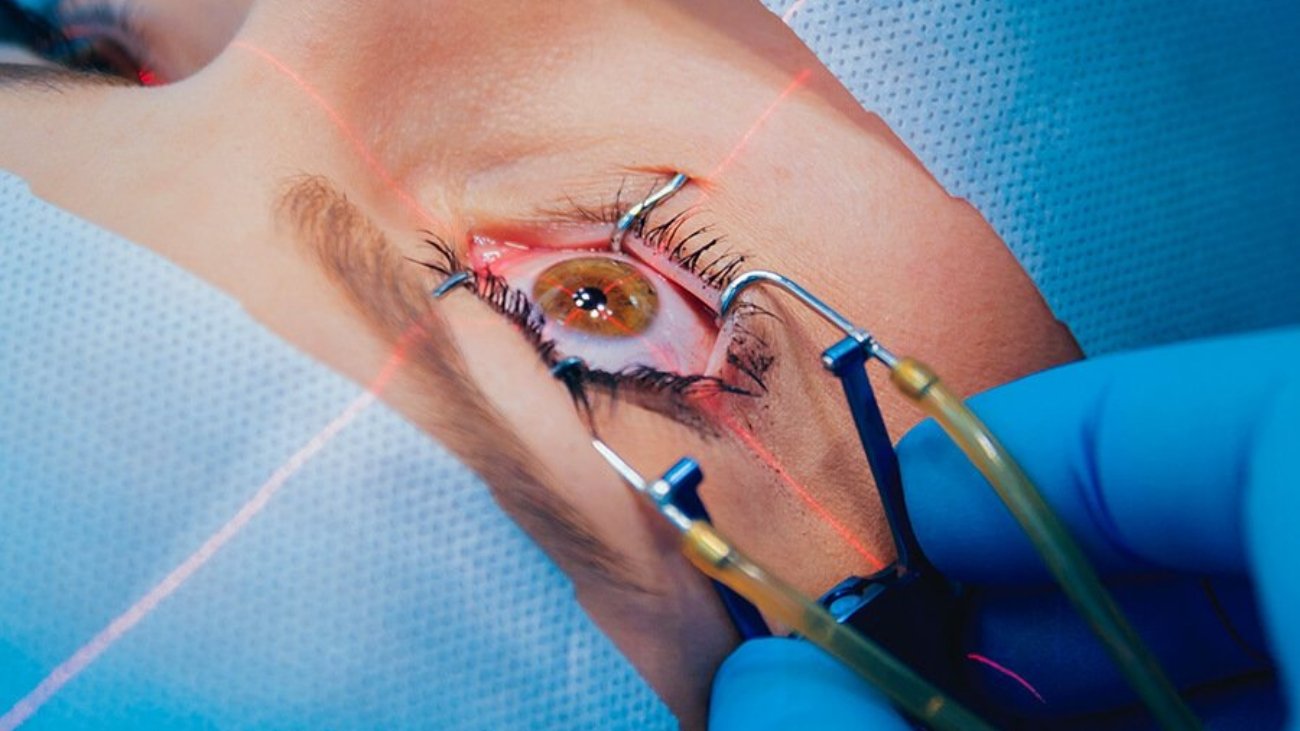
Laser therapy is used to seal leaking blood vessels or repair small retinal tears. It is commonly used for diabetic retinopathy and retinal tears.
2. Intravitreal Injections
In this treatment, medication is injected directly into the eye. It helps reduce swelling and prevent abnormal blood vessel growth.
It is often used for:
- Wet macular degeneration
- Diabetic retinopathy
- Retinal vein occlusion
3. Vitrectomy Surgery
This is a surgical procedure used to remove the gel (vitreous) inside the eye. It is done to treat conditions like:
- Retinal detachment
- Macular hole
- Severe bleeding
The surgeon replaces the gel with a clear solution to restore vision.
4. Cryotherapy
This involves freezing the affected area to repair retinal tears. It is less commonly used today but can still be effective in certain cases.
Importance of Early Detection
Early diagnosis can prevent serious complications. Many retinal diseases can be managed effectively if detected in time.
Regular eye exams are especially important for:
- People over 40
- Diabetic patients
- Individuals with a family history of eye diseases
- Those with high blood pressure
Ignoring symptoms can lead to permanent damage. Simple tests can help detect problems before they become severe.
Lifestyle Tips for Retinal Health
Taking care of your eyes is not only about treatment. Daily habits also play a big role in maintaining retinal health.
Maintain a Healthy Diet
Eat foods rich in:
- Vitamin A (carrots, sweet potatoes)
- Omega-3 fatty acids (fish, nuts)
- Leafy greens (spinach, kale)
These nutrients support eye health and reduce the risk of retinal diseases.
Control Blood Sugar and Blood Pressure
If you have diabetes or hypertension, keep your levels under control. This reduces the risk of retinal damage.
Protect Your Eyes
Wear sunglasses to protect your eyes from harmful UV rays. Use safety glasses when working in risky environments.
Limit Screen Time
Take regular breaks when using digital devices. Follow the 20-20-20 rule:
Every 20 minutes, look at something 20 feet away for 20 seconds.
Avoid Smoking
Smoking increases the risk of many eye diseases, including macular degeneration. Quitting smoking can improve overall eye health.
Choosing the Right Retina Specialist
Finding the right specialist is important for proper care. Here are some factors to consider:
- Experience in treating retinal conditions
- Use of modern technology
- Patient-focused approach
- Clear communication and guidance
A good specialist will not only treat the problem but also guide you on long-term eye care.
What to Expect During Your Visit
During your visit, the specialist will:
- Ask about your symptoms and medical history
- Perform a detailed eye examination
- Conduct diagnostic tests if needed
- Explain the condition and treatment options
Most tests are painless and quick. Based on the findings, the doctor will create a personalized treatment plan.
Recovery and Follow-Up Care
Recovery depends on the type of treatment. Some procedures require rest, while others allow you to return to normal activities quickly.
Follow-up visits are important to:
- Monitor healing
- Check treatment progress
- Prevent recurrence
Always follow your doctor’s advice and attend all scheduled appointments.
The Future of Retinal Care
Medical technology continues to improve. New treatments are being developed to make care more effective and less invasive.
Some advancements include:
- Advanced imaging techniques
- Improved injection therapies
- Minimally invasive surgeries
- Artificial intelligence for early diagnosis
These innovations are helping doctors provide better outcomes for patients.
Conclusion
Retinal health is essential for clear vision and overall quality of life. Many retinal conditions can be serious, but with early detection and modern treatment, they can be managed effectively.
If you are experiencing any vision problems or are at risk, consulting a specialist is the right step. For those seeking expert care and advanced treatment, Dr. Mandeep Lamba, known as the best retina specialist in dubai, offers professional support in diagnosing and managing retinal diseases with a patient-focused approach.