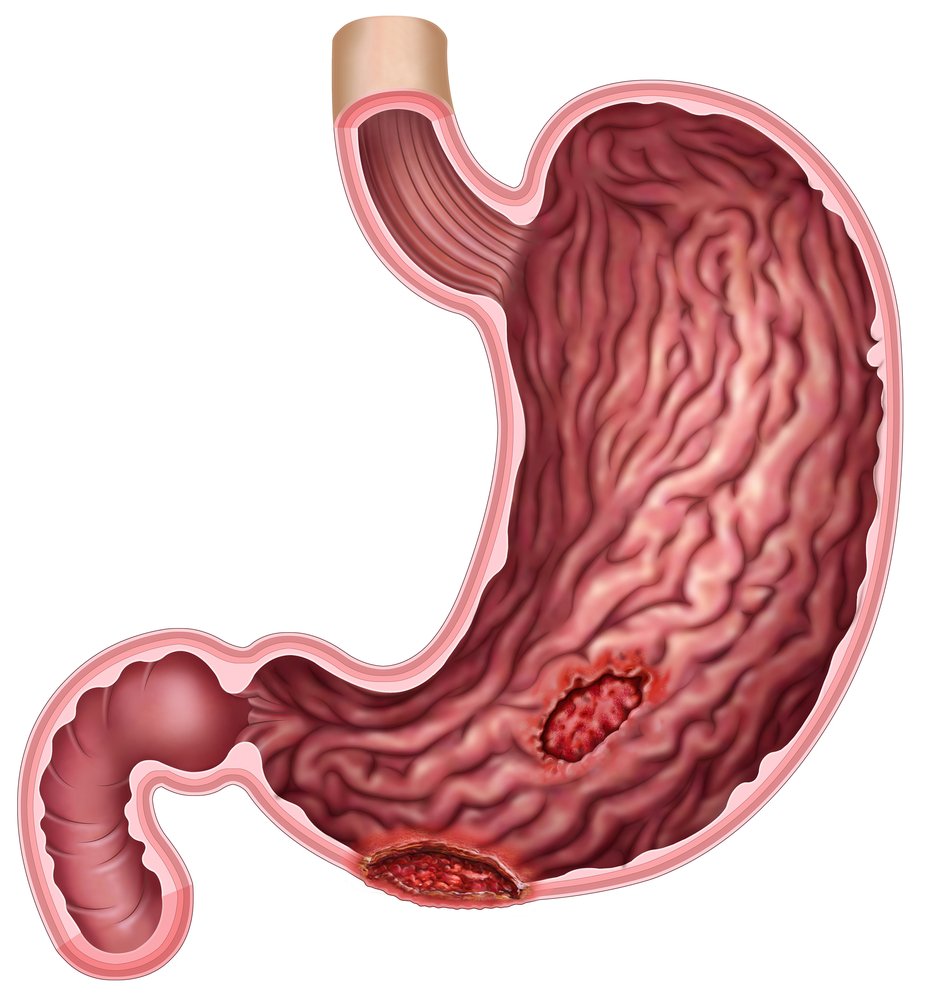
Digestive health is an important part of overall well-being. Many people ignore small stomach problems in the beginning, thinking they will go away on their own. However, if these issues continue for a long time, they can turn into serious conditions like ulcers and chronic digestive disorders.
In a busy city like Dubai, lifestyle habits such as irregular eating, stress, and unhealthy food choices can increase the risk of stomach problems. This is why consulting a stomach doctor in dubai becomes important when symptoms do not improve.
Understanding how ulcers and digestive issues develop, and how they can be treated, helps you take better care of your health. In this article, we will explain everything in a simple and clear way.
Understanding the Digestive System
The digestive system is responsible for breaking down food and absorbing nutrients. It includes organs like:
- Mouth
- Esophagus
- Stomach
- Small intestine
- Large intestine
The stomach plays a key role in digestion. It uses acids and enzymes to break down food. However, when something goes wrong in this process, it can lead to discomfort, pain, or disease.
What Are Stomach Ulcers?
Stomach ulcers, also known as gastric ulcers, are open sores that develop in the lining of the stomach. These sores occur when the protective layer of the stomach becomes weak, allowing acid to damage the tissue.
Common Causes of Ulcers
There are several reasons why ulcers may develop:
- Helicobacter pylori (H. pylori) infection
This is one of the most common causes of ulcers. It is a bacteria that damages the stomach lining. - Long-term use of painkillers
Medicines like ibuprofen or aspirin can irritate the stomach lining when used frequently. - Excess acid production
High levels of stomach acid can lead to damage. - Stress and lifestyle factors
While stress alone may not cause ulcers, it can worsen symptoms. - Smoking and alcohol consumption
These habits can weaken the stomach lining.
Symptoms of Stomach Ulcers
Ulcers may show different symptoms depending on the severity. Some common signs include:
- Burning pain in the stomach
- Pain that becomes worse on an empty stomach
- Bloating
- Nausea or vomiting
- Loss of appetite
- Weight loss
In severe cases, symptoms may include:
- Vomiting blood
- Black or dark stools
- Severe abdominal pain
If you notice any of these serious symptoms, you should seek medical help immediately.
Common Digestive Problems
Apart from ulcers, many other digestive issues affect people in Dubai due to modern lifestyle habits.
1. Acid Reflux (GERD)
This happens when stomach acid flows back into the esophagus, causing a burning sensation in the chest.
2. Gastritis
It is the inflammation of the stomach lining, often caused by infection, alcohol, or stress.
3. Indigestion
A very common issue that causes discomfort after eating.
4. Irritable Bowel Syndrome (IBS)
A long-term condition affecting the large intestine, causing pain, bloating, and changes in bowel habits.
5. Constipation
Difficulty in passing stools, often due to low fiber intake or dehydration.
Why Digestive Problems Are Common in Dubai
Dubai offers a fast-paced lifestyle, which can sometimes affect eating habits and health.
Some common reasons include:
- Irregular meal timings
- Frequent consumption of fast food
- High stress levels
- Low physical activity
- Dehydration due to hot climate
These factors can disturb the digestive system and increase the risk of ulcers and other problems.
When Should You See a Doctor?
Many people ignore early symptoms, but it is important to know when to seek help.
You should consult a doctor if you experience:
- Persistent stomach pain
- Frequent acidity or heartburn
- Difficulty in digestion
- Sudden weight loss
- Vomiting or nausea
- Blood in vomit or stool
Early diagnosis can prevent serious complications and make treatment easier.
How Ulcers Are Diagnosed
A doctor may use different methods to diagnose ulcers:
1. Medical History
The doctor will ask about your symptoms, lifestyle, and medications.
2. Blood Tests
To check for infection or anemia.
3. Breath Test
Used to detect H. pylori infection.
4. Endoscopy
A thin tube with a camera is used to examine the stomach lining.
5. Stool Test
To detect bacteria or bleeding.
Treatment Options for Ulcers
Ulcers can be treated effectively with the right approach.
1. Medications
- Antibiotics to kill H. pylori bacteria
- Proton pump inhibitors (PPIs) to reduce acid
- Antacids to relieve symptoms
2. Lifestyle Changes
- Avoid spicy and oily foods
- Quit smoking
- Limit alcohol intake
- Manage stress
3. Regular Monitoring
Follow-up visits help ensure that the ulcer is healing properly.
Managing Digestive Health
Taking care of your digestive system is not difficult if you follow simple steps.
Healthy Eating Habits
- Eat meals on time
- Include fruits and vegetables
- Avoid overeating
- Reduce processed food
Stay Hydrated
Drink enough water throughout the day to support digestion.
Exercise Regularly
Physical activity helps improve digestion and reduce stress.
Manage Stress
Stress can affect digestion. Try relaxation techniques like:
- Deep breathing
- Meditation
- Yoga
Foods That Help in Digestive Health
Certain foods can support your stomach and improve digestion.
- Yogurt (contains good bacteria)
- Bananas (easy to digest)
- Oatmeal (rich in fiber)
- Ginger (reduces nausea)
- Green vegetables
Foods to Avoid
Some foods can irritate the stomach lining and worsen symptoms.
- Spicy food
- Fried food
- Carbonated drinks
- Caffeine
- Alcohol
Preventing Stomach Ulcers
Prevention is always better than cure. You can reduce the risk of ulcers by:
- Avoiding unnecessary use of painkillers
- Maintaining a balanced diet
- Practicing good hygiene to prevent infections
- Reducing stress
- Getting regular health checkups
Importance of Early Diagnosis
Ignoring symptoms can lead to serious complications such as:
- Internal bleeding
- Perforation (hole in stomach lining)
- Infection
Early diagnosis helps in:
- Faster recovery
- Less complicated treatment
- Better long-term health
Role of a Specialist in Digestive Care
A specialist can help identify the exact cause of your symptoms and provide the right treatment plan.
They focus on:
- Accurate diagnosis
- Personalized treatment
- Long-term management
- Preventive care
Getting expert advice ensures that your condition is treated properly and does not return.
Living with Digestive Disorders
If you have a long-term digestive condition, proper management is important.
Tips for Daily Life
- Follow your doctor’s advice
- Take medications regularly
- Avoid trigger foods
- Maintain a food diary
- Stay active
With the right care, you can live a healthy and comfortable life.
Conclusion
Digestive health should never be ignored. Problems like ulcers and acidity may seem small at first but can become serious if left untreated. Paying attention to symptoms and making simple lifestyle changes can make a big difference.
If you are facing ongoing digestive issues, consulting an experienced best stomach doctor in dubai can help you get the right diagnosis and treatment. For those seeking expert care, Dr. Neil Philip Galletly provides professional support in managing ulcers and digestive conditions with a patient-focused approach.