Why Veterans Should Understand Federal Disability Benefits
Transitioning from military service to civilian life can present many challenges, especially for veterans living with service-connected injuries or long-term medical conditions. While several federal programs provide financial assistance, each operates under different rules and eligibility requirements. Understanding these programs helps veterans make informed decisions and avoid common misconceptions during the application process.
In 2026, disability benefit programs continue to evolve through improved technology, digital claim processing, and enhanced access to medical records. Veterans who understand how these systems work are better prepared to submit complete applications, organize supporting documentation, and protect their financial future.
Learning about available disability programs is an important step toward long-term financial stability and successful recovery.
What Is SSDI?
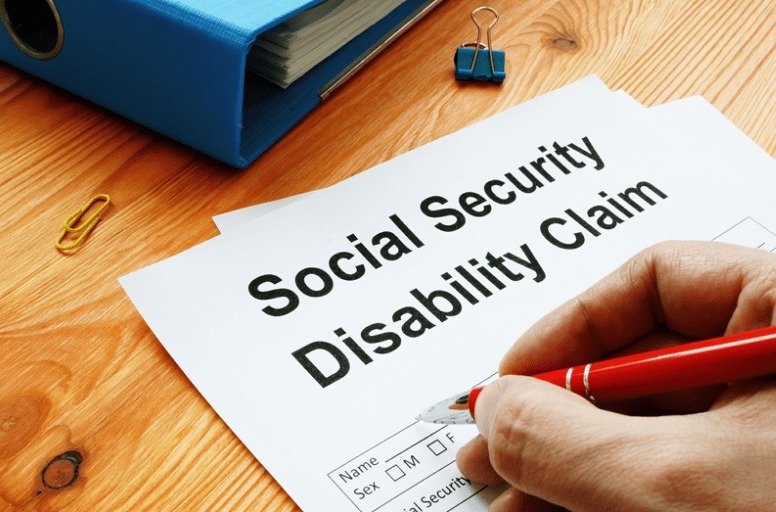
Many former service members ask what is ssdi for veterans when researching disability benefits after leaving the military. Social Security Disability Insurance (SSDI) is a federal insurance program administered by the Social Security Administration (SSA). It provides monthly benefits to eligible individuals who have a qualifying disability and have earned sufficient work credits through employment covered by Social Security taxes.
Unlike veterans’ disability compensation, SSDI is not based on military service or a disability rating assigned by the Department of Veterans Affairs (VA). Instead, eligibility depends on meeting Social Security’s medical definition of disability and satisfying work history requirements.
How SSDI Differs From VA Disability Compensation
Although both programs support individuals with disabilities, they are administered independently and follow different legal standards.
Key differences include:
- SSDI is based on work history and payroll tax contributions.
- VA disability compensation is based on service-connected disabilities.
- Each program has separate eligibility requirements.
- Medical evaluations follow different federal regulations.
- Approval for one program does not automatically qualify someone for the other.
Because of these differences, veterans may qualify for one program, both programs, or neither, depending on their circumstances.
Who May Be Eligible for SSDI?
Eligibility depends on several factors evaluated by the Social Security Administration.
Common requirements include:
- A qualifying medical disability
- Sufficient Social Security work credits
- Inability to perform substantial gainful activity
- A condition expected to last at least 12 months or result in death
- Supporting medical documentation
Each application is reviewed individually using federal disability regulations.
Why Medical Evidence Is Essential
Strong medical documentation plays a central role in every SSDI application.
Helpful records often include:
- Physician treatment notes
- Hospital records
- Diagnostic imaging
- Laboratory results
- Mental health evaluations
- Medication history
- Functional capacity assessments
- Rehabilitation records
Complete documentation helps decision-makers understand how a medical condition affects an applicant’s ability to work.
Frequently Asked Questions
Can veterans receive both SSDI and VA disability compensation?
Yes. Many veterans receive benefits from both programs because each agency applies separate eligibility requirements.
Does a VA disability rating guarantee SSDI approval?
No. The Social Security Administration evaluates disability claims using different medical and legal standards.
Why are work credits important?
SSDI is an insurance program funded through payroll taxes, so work history is an important part of determining eligibility.
What is ssdi for veterans?
Many people ask what is ssdi for veterans because they want to understand how Social Security Disability Insurance differs from VA disability compensation. SSDI is a federal disability insurance program based on work history and medical eligibility rather than military disability ratings.
Common Mistakes During the Application Process
Applicants sometimes experience delays because important information is missing or incomplete.
Common issues include:
- Incomplete medical records
- Missing employment history
- Delayed responses to agency requests
- Inconsistent documentation
- Failure to update treatment information
- Insufficient supporting evidence
Carefully preparing an application helps reduce unnecessary delays.
Technology Is Improving Disability Claims
Technology continues to modernize disability benefit administration in 2026. Digital tools improve efficiency while supporting more accurate claim reviews.
Recent advancements include:
- Electronic medical record integration
- Secure online application portals
- Digital document submission
- Online case status tracking
- Electronic communication systems
- Enhanced identity verification
These innovations allow applicants to manage their claims more efficiently while improving administrative accuracy.
Best Practices Before Applying
Veterans can improve the quality of their disability application by preparing in advance.
Helpful recommendations include:
- Organize medical records.
- Keep employment history current.
- Continue recommended medical treatment.
- Save copies of important documents.
- Respond promptly to agency requests.
- Review all application information carefully.
Good preparation helps applicants submit accurate and complete disability claims.
Conclusion
Federal disability programs provide valuable financial support for veterans facing long-term medical conditions, but understanding the differences between programs is essential. Knowing the eligibility requirements, maintaining complete medical records, and organizing important documentation help applicants make informed decisions throughout the disability claims process.
As disability programs continue to evolve in 2026, careful preparation, accurate recordkeeping, and a clear understanding of federal benefit requirements remain the strongest foundations for successfully navigating the application process.