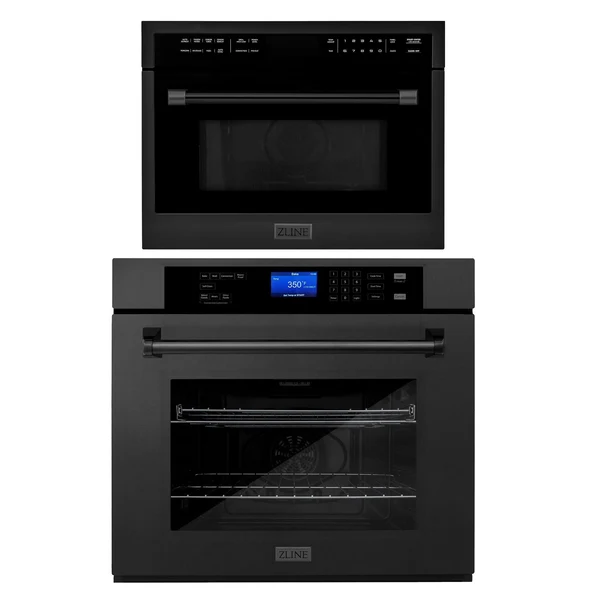
Choosing the right kitchen appliance involves more than comparing appearance and price. Dimensions, installation requirements, ventilation, cooking capacity, and everyday usability all influence whether an appliance will work well in a particular kitchen. A 30 inch over the range microwave is especially important to evaluate carefully because it combines microwave cooking with ventilation while occupying space directly above a cooktop or range.
For homeowners planning a kitchen renovation or replacing an older appliance, understanding the standard dimensions and available features can make the selection process much easier. This guide explains what to look for, how installation works, and which specifications deserve attention before making a decision.
What Is a 30 Inch Over the Range Microwave?
A 30 inch over the range microwave is designed to fit within a cabinet opening approximately 30 inches wide and is installed above a cooking surface. Unlike a countertop microwave, it can free up valuable preparation space while also providing a ventilation function.
Many over-the-range models can either exhaust cooking air outdoors through ductwork or recirculate filtered air into the kitchen, depending on the model and installation configuration.
The 30-inch width is widely used because it corresponds with a common cabinet and cooking-appliance configuration. However, the nominal width should not be treated as the only measurement that matters. Actual appliance dimensions, cabinet depth, door clearance, and vertical installation requirements must also be checked.
Why Is 30 Inches a Common Microwave Width?
The popularity of 30-inch models is closely connected to standard kitchen layouts. GE Appliances, for example, states that its 30-inch over-the-range microwaves are designed for a 30-inch-wide cabinet opening, while actual appliance widths are approximately 29 7/8 inches.
This small difference between the advertised width and the physical appliance allows the unit to fit within the intended opening.
Still, homeowners should measure the available space rather than assuming that every model will fit identically. Different manufacturers and models can have variations in height, depth, door design, and ventilation configuration.
What Dimensions Should You Check?
Width is only one part of determining whether an over-the-range microwave will fit.
Important measurements include:
- Cabinet opening width
- Cabinet depth
- Appliance height
- Distance between the cooktop and microwave
- Door-opening clearance
- Available ventilation space
- Electrical outlet location
Many standard over-the-range microwaves are around 15 to 18 inches deep and approximately 15 to 17 inches tall, although exact dimensions differ by model. Whirlpool notes that standard models are generally around 17 inches high, while low-profile versions are significantly shorter.
Cabinet depth also matters. GE Appliances indicates that many over-the-range installations are designed around cabinets approximately 12 to 13 inches deep, while deeper cabinets may require a suitable installation solution.
How Much Clearance Is Required?
Proper clearance is one of the most important considerations when installing a microwave above a cooking surface.
GE Appliances specifies a 30-inch minimum distance from the cooktop to the bottom of the cabinet to which the microwave attaches for its over-the-range models. The installation requirements for an individual model should always take precedence.
Door clearance also deserves attention. A nearby wall or deep cabinet can interfere with the door opening. Some installations require additional clearance on the hinge side to allow the door to operate properly.
Because installation requirements vary, the manufacturer’s installation manual should be reviewed before drilling holes, modifying cabinets, or connecting ventilation.
What Ventilation Options Are Available?
Ventilation is one of the main advantages of an over-the-range microwave. The built-in fan can help remove smoke, steam, and cooking odors from around the range.
There are generally two main configurations.
External Venting
With external venting, air is directed through ductwork and discharged outside the building. This configuration can be useful for kitchens where suitable ductwork already exists.
Duct size and routing are important because incorrectly sized or poorly configured ductwork can reduce ventilation performance. GE Appliances advises against venting into an attic or crawl space and provides specific ducting requirements for its models.
Recirculating Ventilation
A recirculating configuration filters cooking air and returns it to the kitchen. This can be useful where installing external ductwork is impractical.
The appropriate configuration depends on the kitchen layout and the specific microwave. Therefore, buyers should determine the available ventilation setup before choosing an appliance.
Which Features Are Worth Considering?
Cooking power and capacity are two useful specifications to compare. Microwave power is generally measured in watts, and higher wattage can reduce cooking times for some foods.
Capacity is measured in cubic feet. Whirlpool’s buying guide notes that over-the-range models commonly range from approximately 0.8 to 2.1 cubic feet.
Other useful features can include:
- Sensor cooking
- Interior lighting
- Cooktop lighting
- Multiple power levels
- Turntable controls
- Defrost programmes
- Convection or additional cooking modes
- Adjustable ventilation settings
The best feature set depends on how the appliance will actually be used. A household that mainly reheats food may not need advanced cooking modes, while frequent home cooks may benefit from additional functionality.
What Should You Check Before Installation?
Before purchasing, measure the existing opening carefully and compare those measurements with the appliance’s official specifications.
Check:
- The opening width.
- Cabinet depth.
- Available vertical clearance.
- Door swing.
- Electrical outlet location.
- Existing ductwork.
- Vent configuration.
- Cooktop or range requirements.
Some over-the-range microwaves are supplied with mounting brackets and installation templates that help position mounting holes and ventilation openings accurately.
Professional installation can also be appropriate when electrical work, cabinet modification, or new ductwork is required.
Is a 30 Inch Over the Range Microwave Right for Your Kitchen?
A 30 inch over the range microwave can be a practical solution for kitchens that need to maximize available space while combining microwave cooking and ventilation. Its standard-width format makes it compatible with many common kitchen layouts, but compatibility still depends on the exact cabinet dimensions and installation requirements.
The most important step is to measure first and compare those measurements with the manufacturer’s installation documentation. Capacity, wattage, ventilation, door clearance, and cooking functions should then be considered according to household needs.
Conclusion
A 30 inch over the range microwave can provide an efficient combination of cooking functionality and space management, particularly in kitchens designed around standard-width ranges and cabinetry. However, choosing the right model requires more than checking the stated width. Installation clearance, cabinet depth, ventilation configuration, capacity, wattage, door movement, and electrical requirements all deserve attention. For homeowners comparing different kitchen setups, Z Line appliance packages can also be evaluated alongside individual appliances, but specifications and installation compatibility should remain the priority. By measuring the available space carefully and matching the appliance’s features to actual cooking habits, homeowners can make a more informed decision and avoid common installation problems.