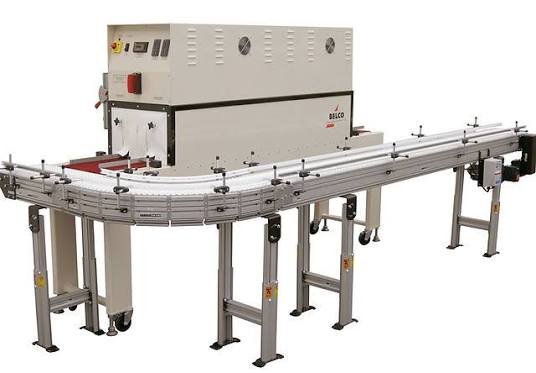
Shrink tunnels are an important part of many packaging lines because they apply controlled heat to shrink film around products, trays, multipacks, and cartons. When a tunnel develops problems, even a small component can affect package appearance, throughput, or line reliability. Understanding Belco tunnel parts and how they contribute to the machine can help maintenance teams identify wear before it turns into an unexpected shutdown. Conveyor belts, heaters, rollers, bearings, fans, sensors, and electrical components all experience different types of stress. A structured maintenance plan can reduce downtime, improve shrink consistency, and extend the useful life of the equipment.
Why Do Shrink Tunnel Parts Require Regular Attention?
Shrink tunnels operate under heat, motion, and continuous production conditions.
These factors can gradually wear components even when the machine appears to be running normally.
Routine inspection of Belco tunnel parts can help identify:
- Belt wear
- Loose hardware
- Bearing problems
- Heating inconsistencies
- Airflow restrictions
- Electrical faults
- Sensor issues
- Conveyor tracking problems
Preventive maintenance is particularly important because many tunnel problems become more expensive if they are allowed to continue.
For example, a misaligned conveyor belt can damage rollers, bearings, guides, or the belt itself.
What Does the Conveyor Belt Do?
The conveyor belt moves products through the heated tunnel at a controlled speed.
Its condition directly affects exposure time and packaging consistency.
If the belt moves too slowly, products may receive excessive heat. If it slips or moves unevenly, shrink results may vary between packages.
When checking Belco tunnel parts, inspect the conveyor belt for:
- Frayed edges
- Cracking
- Stretching
- Burn marks
- Missing or damaged sections
- Uneven tracking
- Excessive contamination
A worn tunnel belt should be addressed before it breaks during production.
Why Is Belt Tracking Important?
A conveyor belt should move through the tunnel without repeatedly drifting toward one side.
Poor tracking can cause friction against guides or frames, which may create premature wear.
Several factors can affect tracking, including:
- Incorrect tension
- Roller misalignment
- Worn bearings
- Product loading
- Debris
- Damaged belt material
Maintenance teams working with Belco tunnel parts should avoid repeatedly forcing the belt back into position without identifying the root cause.
Frequent tracking problems usually indicate that another adjustment or component requires attention.
Check Belt Tension Carefully
Proper belt tension helps the conveyor move smoothly.
A belt that is too loose may slip or hesitate, while excessive tension can increase stress on bearings, shafts, and drive components.
When servicing Belco tunnel parts, technicians should follow model-specific guidance for belt adjustment.
Overtightening is not a reliable solution to slipping.
The better approach is to inspect the complete drive system, including:
- Belt condition
- Drive rollers
- Bearings
- Motor
- Sprockets
- Chains
- Tensioning components
Correct tension should provide reliable movement without unnecessary mechanical load.
Monitor Tunnel Temperature
Consistent heat is essential for predictable shrink performance.
If temperature varies too much, operators may notice loose film, uneven shrinking, burned packaging, or distorted products.
Heating problems may be related to several Belco tunnel parts, including:
- Heating elements
- Thermostats
- Temperature sensors
- Relays
- Electrical connections
- Control components
Operators should monitor both displayed temperature and actual package results.
If product quality suddenly changes while settings remain the same, a component may be failing.
Why Is Airflow Important?
Many shrink tunnels rely on heated air circulating around the product.
Blocked airflow can produce uneven shrink patterns even if the heater itself is functioning properly.
Fans, vents, ducts, and internal panels should therefore be included in maintenance inspections.
Some Belco tunnel parts associated with airflow may become coated with dust, film fragments, or other debris.
Reduced airflow can lead to:
- Uneven shrinking
- Longer processing time
- Hot spots
- Excessive heat near certain areas
- Greater stress on heating components
Keeping air passages clean helps the system distribute heat more evenly.
Inspect Rollers and Bearings
Rollers and bearings support smooth conveyor movement.
As they wear, the machine may begin producing unusual noises or vibration.
Warning signs can include:
- Grinding
- Squealing
- Heat
- Side-to-side movement
- Rough rotation
- Visible wear
If a bearing begins to seize, it can create additional resistance and damage nearby Belco tunnel parts.
Replacing a worn bearing early is often much easier than repairing damage caused after complete failure.
Keep the Tunnel Clean
Shrink film fragments, dust, labels, adhesive residue, and other packaging debris can accumulate inside and around the machine.
Regular cleaning can prevent buildup from interfering with mechanical movement or airflow.
When maintaining Belco tunnel parts, focus on areas such as:
- Conveyor surfaces
- Rollers
- Fan openings
- Sensors
- Heater areas
- Drive components
Cleaning procedures should match the manufacturer’s instructions.
Electrical and heating components should never be cleaned using methods that could introduce unsafe moisture or damage sensitive parts.
Watch for Signs of Heater Failure
Heating components can gradually lose performance.
Operators may notice that the tunnel takes longer to reach operating temperature or requires higher settings to achieve the same shrink result.
Other signs may include:
- Cold sections
- Unusual cycling
- Frequent temperature fluctuations
- Inconsistent film shrink
- Electrical faults
A failing heater can place additional strain on other Belco tunnel parts if operators compensate by changing speed or temperature settings excessively.
Early diagnosis can prevent production teams from masking one problem by creating another.
Check Drive Components
The conveyor drive system may include motors, chains, sprockets, gearboxes, or related components.
Wear in the drive system can cause speed variation or jerky movement.
A good inspection should check for:
- Loose chains
- Worn sprockets
- Motor overheating
- Abnormal gearbox noise
- Damaged couplings
- Poor lubrication
These Belco tunnel parts should work together smoothly.
If conveyor speed changes unexpectedly, technicians should investigate the drive system before assuming the control setting is wrong.
Why Are Sensors Important?
Sensors may help control product movement, temperature, safety functions, or other aspects of tunnel operation.
Dust or misalignment can make sensors less reliable.
Maintenance teams should check whether sensors are:
- Clean
- Securely mounted
- Properly aligned
- Correctly wired
- Responding consistently
A sensor problem can sometimes appear to be a larger machine fault.
Routine inspection of these Belco tunnel parts can reduce unnecessary troubleshooting time.
Use the Correct Replacement Part
Not every similar-looking component will work correctly in a shrink tunnel.
Dimensions, temperature ratings, material, voltage, and mechanical tolerances can all affect compatibility.
Before ordering Belco tunnel parts, confirm:
- Exact machine model
- Serial number
- Part number
- Dimensions
- Material specification
- Electrical requirements
- Operating temperature
Using the correct part can help preserve both machine performance and safety.
Parts drawings and manuals are especially useful when identifying older or less familiar components.
Keep Critical Spares in Inventory
Waiting several days for a replacement component can create costly downtime.
Maintenance teams should identify which parts are most likely to fail and which have long lead times.
Useful spare inventory may include:
- Conveyor belts
- Bearings
- Heating elements
- Sensors
- Chains
- Sprockets
- Relays
- Fuses
The most important Belco tunnel parts to keep in stock will depend on production volume and machine history.
Maintenance records can help identify which components deserve priority.
Track Repeated Failures
Replacing the same part repeatedly without investigating why it fails can become expensive.
A failure history can reveal patterns.
For every repair, record:
- Part replaced
- Date
- Machine hours
- Failure symptoms
- Root cause
- Repair time
- Cost
If the same Belco tunnel parts fail frequently, the underlying issue may involve alignment, excessive heat, incorrect tension, contamination, or improper installation.
Root-cause analysis can prevent the same problem from returning.
Use Safe Maintenance Procedures
Shrink tunnels combine heat, electricity, and moving components.
This makes maintenance safety especially important.
Before servicing the machine, technicians should follow appropriate shutdown and lockout procedures.
Potential hazards may include:
- Hot internal surfaces
- Moving belts
- Drive chains
- Electrical circuits
- Heating elements
- Pinch points
Only trained personnel should perform repairs involving electrical or mechanical disassembly.
Allowing the tunnel to cool before maintenance may also be necessary depending on the task.
Conclusion
Reliable shrink tunnel operation depends on more than temperature settings alone. Conveyor condition, belt tracking, airflow, heater performance, rollers, bearings, sensors, and drive components all contribute to consistent packaging quality. Facilities responsible for packaging equipment and parts should combine preventive maintenance with accurate spare inventory, model-specific documentation, and failure tracking so technicians can respond efficiently when problems occur. Maintaining Belco tunnel parts proactively can reduce unexpected shutdowns and help preserve both shrink quality and production speed. Regular cleaning, inspection, correct belt adjustment, and timely part replacement can keep a tunnel performing more consistently while extending the useful life of the machine.