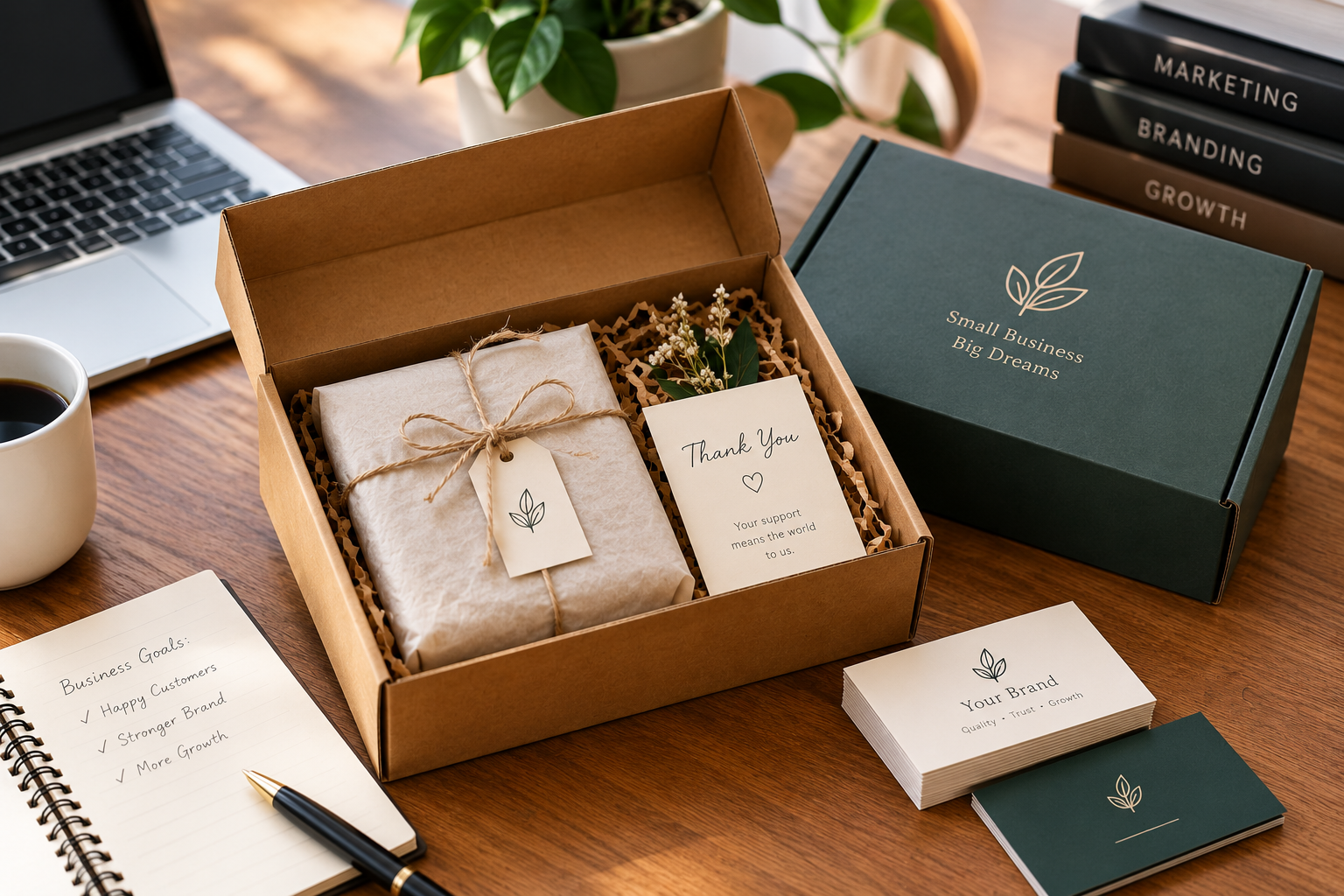
For small businesses, attracting a new customer is only the beginning. The real challenge is giving people enough reasons to come back, recommend the brand, and develop a lasting connection with it. While businesses often focus on product quality, pricing, customer service, and marketing, one important part of the customer experience is sometimes overlooked packaging.
Packaging is no longer simply a protective layer around a product. It can influence how customers perceive a brand, how they remember their purchase, and whether they feel excited about buying from the same business again. A thoughtfully designed package can make an ordinary purchase feel more personal and memorable, helping small businesses compete with larger brands.
Why Customer Retention Matters for Small Businesses
Customer retention refers to a business’s ability to encourage existing customers to continue purchasing from the brand. For small businesses, retaining customers can be particularly valuable because loyal buyers can generate repeat sales and recommend products to friends, family, and online communities. A positive experience after the purchase can have a major impact on this relationship. When customers receive a product that is well protected, professionally presented, and consistent with the brand’s identity, they may feel that the business has paid attention to the details. Even small branded elements, such as thoughtfully designed Business Cards included with an order, can give customers an easy way to remember and reconnect with the company. This is where packaging can become part of a broader customer retention strategy. Instead of treating the box or wrapping as an afterthought, businesses can use it alongside branded materials such as business cards to communicate quality, reinforce brand recognition, and build trust.
Packaging Can Shape the Customer’s First Physical Impression
Digital marketing may create the initial interest, but packaging often creates one of the first physical interactions between a customer and a product. The moment a customer receives an order, the appearance and quality of the package can influence their expectations about what is inside. A clean design, suitable materials, organized presentation, and brand-consistent details can immediately create a more professional impression. On the other hand, packaging that looks careless or does not protect the product properly can weaken an otherwise positive buying experience. For small businesses, this physical touchpoint can be especially important. A memorable package can make customers feel that they are receiving something thoughtfully prepared rather than simply receiving another delivery.
Turning an Ordinary Delivery Into a Memorable Experience
Customer experience does not end when a purchase is completed. The delivery and unboxing process can also influence how customers remember a brand. Small businesses can use packaging to create an engaging opening experience. This could include an attractive box structure, coordinated colors, simple brand messaging, product information, or a thoughtful presentation inside the package. The goal does not have to be expensive or complicated. Even small details can make a delivery feel more intentional. When customers associate a positive emotional experience with a brand, they may be more likely to remember it when they are ready to make another purchase.
Consistency Helps Customers Remember the Brand
Brand recognition is another important part of customer retention. When packaging consistently reflects a business’s visual identity, customers can begin to associate particular colors, design elements, shapes, and presentation styles with that brand. For small businesses, this consistency can help create a stronger identity across different customer touchpoints. The same visual language can appear on product packaging, websites, social media, promotional materials, and even printed materials such as business cards. Over time, consistent branding can become part of what customers recognize and remember. This familiarity can help a small business remain noticeable even when customers have many competing options.
Packaging Can Communicate More Than a Logo
Effective packaging does not need to rely only on a company logo. It can communicate the personality and values of a business through its design, materials, structure, and overall presentation. A minimalist package may communicate simplicity and sophistication, while natural materials and understated designs may support an environmentally conscious brand image. Bright and creative packaging may work better for businesses targeting customers who value fun and originality. This gives small businesses an opportunity to make packaging part of their brand story rather than treating it as a basic container. When packaging works alongside other branded elements, such as business cards and promotional inserts, customers can experience a more consistent identity throughout their interaction with the company.
Building Trust Through Professional Presentation
Trust plays a major role in repeat purchasing. Customers want to feel confident that a business takes its products and their experience seriously. Well-designed packaging can support this perception by demonstrating attention to detail. Secure construction can show that the business cares about product protection, while clear and professional presentation can reinforce a sense of reliability. When the packaging experience matches the quality of the product, it creates consistency between what customers expected and what they actually received. That consistency can become an important foundation for long-term customer relationships.
Using Packaging to Encourage Repeat Purchases
A strong packaging experience can continue working for a business even after the customer has opened the product. Small businesses can use the package as a subtle reminder of the brand and create opportunities for future engagement. For example, packaging can include a simple thank-you message, care instructions, a reorder reminder, or information about related products. These details can guide customers toward their next interaction with the business without making the package feel overly promotional. The key is to provide useful information rather than filling the package with excessive marketing. When the communication feels relevant and helpful, customers are more likely to view it as part of the overall experience.
Personalization Can Make Customers Feel Valued
Customers increasingly appreciate experiences that feel personal. Small businesses can use packaging to create this feeling without necessarily investing in expensive customization. Personalized messages, thoughtful inserts, seasonal designs, or packaging that reflects a customer’s purchase can make the order feel more carefully prepared. Even a short thank-you note can communicate that the customer is more than just another transaction. This sense of personal attention can strengthen the emotional connection between the customer and the business. When people feel appreciated, they may be more willing to return and support the brand again.
Creating Packaging Worth Sharing
Social media has changed the way customers interact with products. An attractive package can become part of the customer’s content, especially when the presentation creates an interesting unboxing moment. Small businesses can consider how their packaging looks in photographs and videos. Distinctive box structures, clean branding, attractive internal presentation, and thoughtful details can make a product more visually appealing when customers share their purchases online. This creates an additional benefit: existing customers may naturally introduce the brand to new audiences. In this way, packaging can support both customer retention and organic brand awareness.
Choosing Packaging That Matches the Target Customer
Not every packaging style will work for every business. Small businesses should consider who their customers are before selecting materials, colors, structures, and finishes. A premium beauty brand may benefit from sophisticated packaging, while a handmade product business may prefer a warm and artisanal presentation. A sustainable lifestyle brand may focus more heavily on recyclable materials and minimal packaging. Understanding the target audience allows businesses to create packaging that feels relevant rather than simply attractive. When customers see their own preferences reflected in a brand’s presentation, the overall experience can feel more authentic.
Balancing Customer Experience With Business Costs
Creating memorable packaging does not mean choosing the most expensive materials or adding unnecessary features. Small businesses need to balance presentation with practical business costs. Packaging should protect the product, support the brand image, and provide a positive customer experience while remaining financially sustainable. Overly complicated packaging can increase production, storage, and shipping expenses without necessarily improving customer satisfaction.A smarter approach is to identify the details that have the greatest impact and invest in those areas. Sometimes a better structure, stronger branding, or cleaner internal presentation can make a bigger difference than adding expensive decorative elements.
Sustainable Packaging Can Strengthen Customer Relationships
Environmental responsibility has also become an important consideration for many customers. Businesses that reduce unnecessary materials and choose more responsible packaging options can demonstrate that they are thinking beyond the immediate sale. Using recyclable materials, avoiding excessive layers, reducing unnecessary inserts, and selecting appropriately sized packaging can contribute to a more responsible approach. Sustainability should still be practical. Packaging needs to protect the product during transportation while minimizing unnecessary waste. When businesses successfully combine protection, presentation, and responsible material choices, they can create an experience that aligns with the values of environmentally conscious customers.
Making Packaging Part of a Larger Retention Strategy
Packaging works best when it supports other customer retention efforts rather than operating on its own. A memorable package can complement good customer service, reliable delivery, product quality, loyalty programs, and consistent communication. For example, a customer may receive a professionally presented product along with useful product information and a simple invitation to explore related products. A branded business card can also provide customers with an easy way to remember the company and find it again when they need another product or servic. This approach helps businesses move away from thinking of packaging as merely a shipping requirement. Instead, it becomes another customer touchpoint that can support trust, recognition, satisfaction, and long-term loyalty.
Measuring Whether Packaging Is Actually Working
Small businesses can also evaluate whether packaging improvements are contributing to customer retention. Useful indicators may include repeat purchase rates, customer reviews, direct feedback, social media mentions, referral activity, and engagement with post-purchase communications. Customer feedback can be particularly valuable. Businesses can ask simple questions about the product presentation, packaging quality, unboxing experience, and overall satisfaction. These insights can help identify which packaging elements customers actually appreciate. Instead of making decisions based only on appearance, businesses can gradually improve their packaging based on real customer responses and business results.
Making Packaging Adaptable as the Business Grows
As a small business grows, its packaging strategy may need to evolve as well. What works for a new brand may not be suitable once the business has a larger customer base or a wider product range. Businesses can gradually introduce different packaging sizes, structures, or designs while keeping important brand elements consistent. This allows the packaging to remain recognizable without becoming repetitive. Growth also provides an opportunity to learn from customer feedback. Businesses can identify which packaging features customers appreciate most and focus their investment on those areas.
Protecting Products While Improving Customer Experience
Customer retention depends heavily on the product arriving in good condition. Even the most attractive package cannot create a positive experience if the product is damaged during transportation. For this reason, businesses should always place product protection at the center of their packaging decisions. The right size, structure, cushioning, closures, and materials can help reduce damage while creating a professional presentation. When protection and appearance work together, customers receive a more complete experience. They see that the business has considered both the practical and emotional sides of their purchase.
Using Packaging to Differentiate From Competitors
Small businesses often compete with brands that have larger marketing budgets. Packaging can provide a practical way to create differentiation without relying entirely on expensive advertising campaigns. A distinctive packaging style can help a product look different when it arrives at a customer’s home or appears in a retail environment. Unique structural elements, consistent branding, thoughtful details, and relevant materials can all contribute to a stronger identity. The goal is not simply to make packaging unusual. It should be recognizable, functional, and appropriate for the product and target audience.
Creating Long-Term Brand Recognition
Customer retention is closely connected with familiarity. The more consistently customers interact with a brand, the easier it becomes for them to recognize and remember it. Packaging can reinforce this recognition every time an order arrives. Consistent colors, typography, design elements, logos, and structural choices can create a visual connection between different purchases. For businesses that want to maintain a polished and recognizable presentation across different products, Custom Card Boxes can also help carry the same visual identity into every customer interaction. Eventually, packaging itself can become part of the brand experience. Customers may recognize a package before they even see the business name, which can strengthen the relationship between visual identity and customer memory.
Turning Packaging Into a Business Investment
It is easy to view packaging as another operational expense, but businesses can benefit from thinking about it as a customer experience investment. When packaging reduces product damage, improves presentation, supports brand recognition, encourages social sharing, and contributes to customer satisfaction, it can influence several areas of the business at the same time. This does not mean every small business needs luxury packaging. The better strategy is to invest intelligently in packaging elements that support specific business goals. A simple, well-designed package can be more effective than an expensive package without a clear purpose.
Final Thoughts
Packaging can play a much bigger role in business growth than simply protecting a product during transportation. For small businesses, it can become a practical tool for improving customer experience, strengthening brand recognition, encouraging repeat purchases, and building long-term loyalty. The strongest packaging strategy is not necessarily the most expensive or complicated. It is the one that understands the customer, protects the product, reflects the brand, and creates a positive experience from delivery to unboxing. When businesses approach packaging with these goals in mind, every order becomes another opportunity to build a relationship with the customer. Over time, those small experiences can turn first-time buyers into loyal customers and help a growing business establish a brand people remember and trust.
Frequently Asked Questions
How can packaging improve customer retention?
Packaging can improve retention by creating a positive post-purchase experience, strengthening brand recognition, protecting products, and making customers feel that their purchase was handled with care.
Is expensive packaging necessary for customer loyalty?
No. Effective packaging does not have to be expensive. Small businesses can focus on useful design, product protection, consistent branding, and thoughtful presentation rather than unnecessary luxury features.
Can packaging help small businesses compete with larger brands?
Yes. Memorable packaging can help small businesses create a distinctive identity and provide a more personal customer experience, helping them stand out despite having smaller marketing budgets.
How can businesses personalize their packaging?
Businesses can use thank-you messages, branded inserts, seasonal designs, personalized notes, product-care information, or packaging details that reflect the customer’s purchase.
Can packaging encourage repeat purchases?
Yes. Packaging can include useful reorder information, related product suggestions, brand contact details, or a simple reminder that encourages customers to reconnect with the business.
Why is brand consistency important for packaging?
Consistent colors, typography, logos, and design elements help customers recognize and remember a business. This familiarity can strengthen brand identity and contribute to long-term customer relationships.
How do business cards support customer retention?
Business cards can complement packaging by giving customers a simple physical reminder of the company. Contact information, website details, or social media handles can make it easier for customers to reconnect with the business later.
Should sustainable packaging be part of a retention strategy?
For many brands, yes. Responsible material choices and reduced packaging waste can demonstrate that a business understands customer values while still protecting the product and maintaining a professional presentation.
How can a business measure the impact of better packaging?
Businesses can monitor repeat purchases, customer reviews, referrals, social media mentions, customer feedback, and engagement after purchases to understand whether packaging improvements are influencing customer behavior.
What is the most important goal of business packaging?
The main goal should be to balance product protection, brand presentation, functionality, and customer experience. Packaging becomes more valuable when it supports both the customer’s needs and the business’s long-term goals.