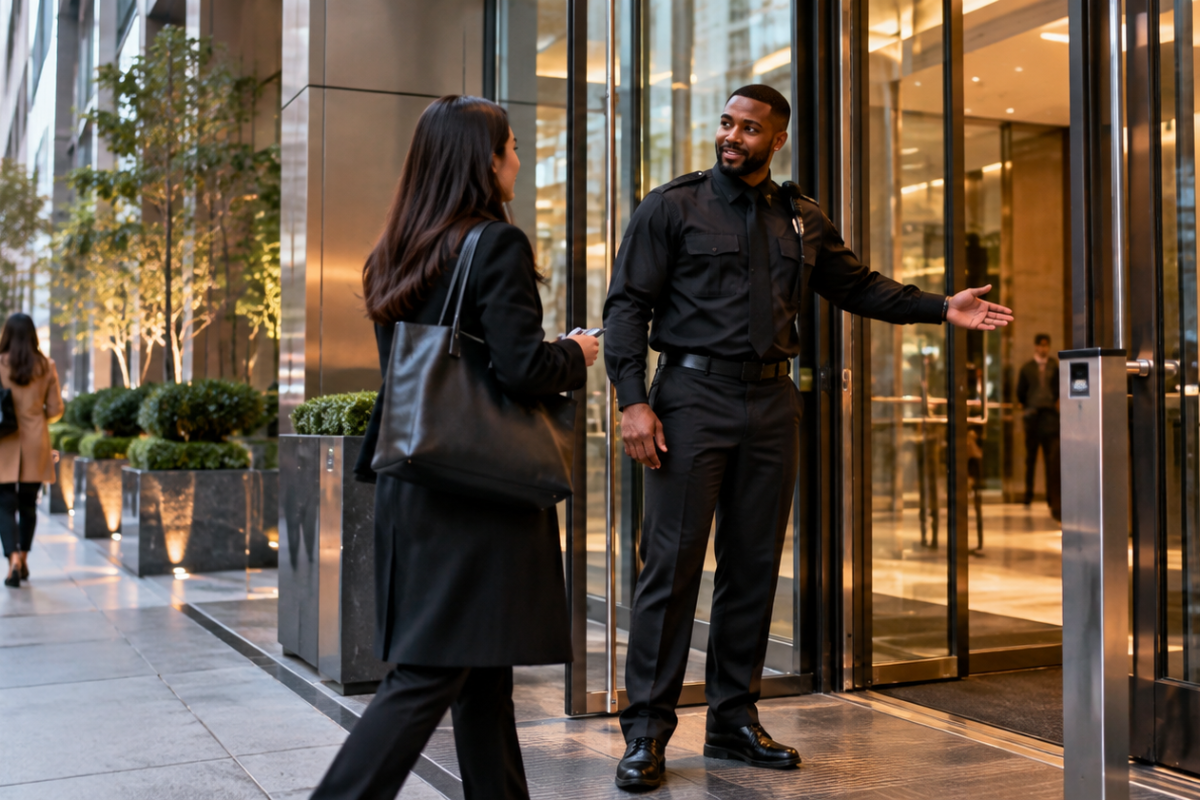
Businesses, residential communities, and event organizers share one priority: keeping people and property safe without creating an intimidating atmosphere. Many of them turn to unarmed security services because trained guards can deter misconduct, respond to incidents, and maintain order through observation, communication, and clear procedures rather than firearms. This approach suits a wide range of settings where visibility and professionalism matter more than force. Understanding what these guards actually do, where they work best, and how to choose a reliable provider helps decision-makers build a safety plan that fits their real needs and budget.
What Unarmed Guards Actually Do
Unarmed guards focus on prevention. They patrol premises, monitor entrances, check identification, and watch for suspicious activity before it escalates. Many also operate surveillance equipment, write detailed incident reports, and coordinate with local police or emergency responders when a situation requires it. Their reports also give managers reliable records for insurance claims and internal reviews. Their presence alone often discourages theft, vandalism, and trespassing, since visible supervision signals that a property is actively watched. Good guards are trained in de-escalation, meaning they resolve conflicts through calm communication instead of confrontation. They also assist visitors with directions, help during medical emergencies, and enforce site rules consistently, which contributes to a welcoming environment.
Settings Where They Fit Best
Retail stores, office buildings, apartment complexes, hospitals, schools, warehouses, and construction sites commonly rely on unarmed guards. In these places, the main risks are theft, unauthorized access, disorderly behavior, and safety hazards rather than armed threats. Choosing unarmed security services for such locations keeps the environment approachable for customers, patients, and employees while still providing dependable oversight. Special events, including concerts, festivals, and corporate gatherings, also benefit from crowd management, entry screening, and quick incident reporting. Parking lots and vacant properties are another common use, where regular patrols help prevent break-ins and dumping.
Training and Licensing Standards
Not every guard is equally prepared, so qualifications deserve attention. Most regions require guards to complete basic training and obtain a license or registration before working. Coursework typically covers legal limits of authority, report writing, emergency response, first aid, and conflict management. Reputable providers add ongoing training, background checks, and drug screening to maintain quality. When evaluating unarmed security services, ask for proof of licensing, insurance coverage, and documented training hours. Guards who understand local regulations also help businesses stay compliant. These details show whether a company treats professionalism seriously and protects clients from liability if something goes wrong on site.
Cost and Flexibility
Unarmed guards generally cost less than armed personnel because training requirements and insurance premiums are lower. Pricing depends on hours, location, contract length, and specialized duties. Many providers offer flexible scheduling, from overnight patrols to weekend-only coverage or one-time event staffing, so clients pay only for what they need. Long-term contracts often bring lower rates, while short-term arrangements offer freedom to adjust as circumstances change. A site assessment helps identify vulnerable areas and avoid overspending on unnecessary coverage. Comparing written proposals, not only hourly rates, reveals differences in supervision, replacement policies, and reporting practices.
How to Choose Wisely
Look for a track record, client references, and clear communication. Ask how guards are supervised, how absences are covered, and how incidents are documented. A strong provider will tailor post orders to your property instead of offering generic coverage. Requesting a trial period or short initial contract can reveal how well the team performs. Reliable unarmed security services should also adapt as your needs change, whether that means adding patrol rounds after an incident or reducing hours during slow seasons.
Conclusion
Choosing the right level of protection starts with an honest look at your risks, your space, and the experience you want visitors to have. Unarmed guards provide a visible, professional presence that deters problems and supports quick, calm responses. Some individuals, such as executives or public figures, may need a personal bodyguard for close, individualized protection, while most properties are well served by trained patrol and access-control staff. Whichever path you choose, verify credentials, review references, and revisit your plan regularly so protection keeps pace with change.