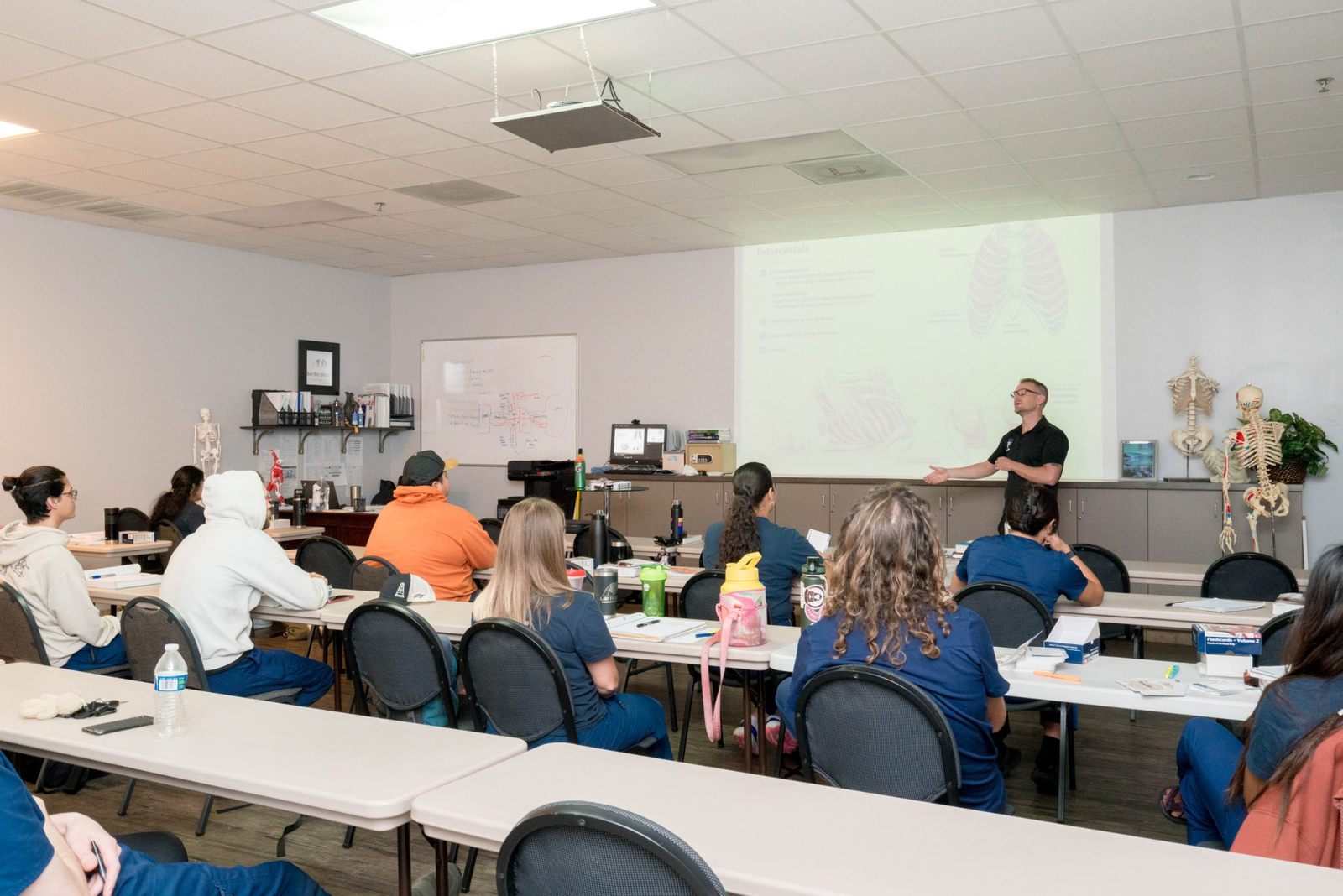
Massage therapy combines practical bodywork skills with knowledge of anatomy, physiology, pathology, professional ethics, and client care. For people considering it as a career in Texas, professional training is particularly important because state licensing requires specific education and examination standards. Choosing the right massage therapist school can therefore influence not only what students learn but also how prepared they are for licensing and professional practice.
Rather than enrolling based solely on tuition or proximity, prospective students should compare curriculum quality, hands-on experience, instructor qualifications, scheduling, licensing preparation, and internship opportunities. These eight factors can make the decision easier.
1. Confirm That the Program Meets Texas Requirements
Licensing requirements should be the first consideration.
The Texas Department of Licensing and Regulation states that applicants generally need at least 500 hours of massage therapy coursework from an appropriately licensed school before applying for a massage therapist licence.
A suitable massage therapist school should clearly explain how its curriculum satisfies current state requirements. Students should never assume that every massage-related course automatically qualifies them for professional licensing.
Texas rules also specify instruction across areas including massage techniques and theory, anatomy, physiology, kinesiology, pathology, hydrotherapy, laws, business practices, and professional ethics.
2. Look for Extensive Hands-On Training
Massage therapy cannot be learned effectively through textbooks alone.
Students need opportunities to practise positioning, draping, pressure control, body mechanics, client communication, and different massage techniques under professional supervision.
Texas requires massage therapy programs to include practical training, including supervised internship experience. State guidance specifies that internship programs must provide at least 40 hours of hands-on massage experience and cannot begin until students have completed specified portions of their supervised coursework.
When evaluating a massage therapist school, ask how much supervised practical work is included and how students receive feedback on technique.
3. Review the Qualifications of Instructors
Good instructors need more than technical ability.
Massage educators should understand how to demonstrate techniques safely, explain anatomy clearly, correct body mechanics, and help students develop professional judgement.
Texas requires massage therapy instructors to hold an appropriate licence and meet experience and education requirements. For example, applicants for instructor licensing must generally be licensed massage therapists and have relevant professional experience.
Prospective students should ask how long instructors have been practising, which techniques they specialise in, and how much teaching experience they have.
4. Make Sure Anatomy and Physiology Are Taken Seriously
Understanding the human body is essential for safe massage practice.
A professional massage therapist school should teach students how muscles, joints, tissues, nerves, and body systems relate to massage techniques. Texas minimum education standards include dedicated study in anatomy, physiology, kinesiology, and pathology.
This knowledge helps therapists recognise when an area can be treated normally and when symptoms may require modification, referral, or avoidance.
Anyone hoping to work as a massage therapist in San Antonio should therefore view classroom science as an important part of professional preparation rather than an academic requirement to simply complete.
5. Ask How the School Prepares Students for Licensing Exams
Completing training is only one step toward becoming licensed.
Texas applicants who do not already hold an applicable out-of-state licence must satisfy examination requirements. The state currently accepts qualifying examination routes and requires applicants using the MBLEx pathway to also complete the Texas Jurisprudence Examination.
A strong massage therapist school should explain the licensing pathway clearly and provide instruction that supports exam preparation.
Prospective students can ask about graduate exam performance, study resources, practice testing, and whether exam-related guidance continues after coursework is completed.
6. Compare Class Schedules With Your Existing Commitments
Many massage students balance training with jobs, families, or other responsibilities.
Programs may offer daytime, evening, weekend, hybrid, or other scheduling formats. Flexible formats can be useful, but students should determine how hands-on requirements and examinations are completed before enrolling.
Even when some theory content is delivered remotely, practical skills still require supervised learning.
When searching online for a massage therapist near me, future professionals should consider whether training schedules realistically allow enough time for attendance, study, hands-on practice, and internship requirements.
A faster program is not necessarily better if the schedule makes it difficult to master the material.
7. Understand Tuition and All Additional Costs
Program price should be evaluated carefully.
Prospective students should ask for a complete breakdown that includes tuition, registration fees, books, uniforms, massage supplies, examination costs, licensing fees, and any other required expenses.
Texas rules require massage schools to provide prospective students with information about program length, required instructional hours, tuition, fees, and other charges before enrollment agreements are signed.
Before selecting a massage therapist school, compare the total expected cost rather than focusing only on the advertised tuition figure.
8. Evaluate the Internship Environment
An internship gives students an opportunity to connect classroom learning with realistic client interactions.
Students may practise intake procedures, professional communication, session planning, time management, draping, documentation, and different massage techniques while supervised by licensed instructors.
A useful internship should provide varied experience rather than simply allowing students to accumulate required hours.
Ask how clients are scheduled, how instructors supervise sessions, what feedback students receive, and whether the facility provides appropriate equipment and privacy.
Texas specifically requires licensed instructor availability during student internship sessions, making supervision a formal part of compliant training.
What Career Skills Matter Beyond Massage Technique?
Technical ability is only part of professional practice.
Massage therapists also need communication, scheduling, recordkeeping, professional boundaries, sanitation awareness, and basic business knowledge. Therapists who become self-employed may additionally need skills in budgeting, marketing, client retention, and appointment management.
A comprehensive massage therapist school should therefore help students understand the professional responsibilities that accompany hands-on treatment.
Body mechanics are particularly important because therapists perform repetitive physical work. Learning to use posture, leverage, stance, and controlled movement efficiently may help reduce unnecessary strain during long working days.
Conclusion
Choosing professional massage training requires careful comparison of licensing eligibility, curriculum depth, instructors, internship opportunities, scheduling, examination preparation, and overall cost. A qualified massage therapist school should provide both theoretical knowledge and sufficient supervised practice to prepare students for the responsibilities of professional client care. Students who eventually want to provide services such as a full body massage in San Antonio need more than familiarity with massage movements; they also need anatomy knowledge, ethical training, appropriate assessment skills, and a clear understanding of Texas licensing requirements. Taking time to research a program before enrolling can help prospective therapists avoid training that does not meet their career needs. The strongest education provides a foundation for continued learning while preparing graduates to practise safely, professionally, and confidently.