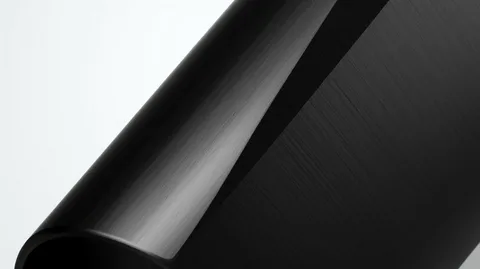
Aluminium is widely valued for being lightweight, durable, and adaptable across architectural, industrial, automotive, and consumer applications. However, the surface treatment applied to aluminium can significantly influence its appearance, durability, and resistance to environmental conditions. Anodising is one of the most effective finishing processes for achieving both functional protection and a distinctive visual finish.
From contemporary architectural façades to interior profiles and industrial components, black anodised aluminium has become a popular choice where a sophisticated appearance needs to be combined with surface durability. At the same time, bright anodized aluminum remains an attractive option for applications where a reflective, clean, and polished appearance is preferred. Understanding how these finishes differ can help manufacturers, architects, designers, and project planners select the appropriate treatment for their requirements.
What Is Aluminium Anodising?
Anodising is an electrochemical process that creates a controlled oxide layer on the surface of aluminium. Unlike a conventional paint or coating that sits primarily on the surface, anodising modifies the aluminium surface itself. The resulting oxide layer can improve resistance to corrosion and wear while also providing opportunities for different colours and visual finishes.
The process generally involves several stages, including surface preparation, anodising, sealing, and quality inspection. The final appearance depends on factors such as the aluminium alloy, preparation method, process conditions, and desired finish.
Why Surface Finishing Matters
Raw aluminium already offers useful properties, but surface treatment can make it more suitable for demanding applications. A properly anodised surface can provide improved resistance to corrosion and everyday wear. It can also create a more consistent appearance across aluminium profiles.
For architectural projects, this combination of performance and aesthetics is particularly valuable. Window frames, façade components, doors, partitions, railings, and other profiles often need to withstand environmental exposure while maintaining a visually consistent appearance. The appropriate finish therefore depends on both functional requirements and design objectives.
The Appeal of Black Anodised Aluminium
Black is frequently associated with modern architectural design because it can create a strong contrast against glass, stone, concrete, wood, and lighter surfaces. Black anodised aluminium can provide a sophisticated and contemporary appearance while retaining the functional advantages associated with anodised aluminium.
It can be particularly effective for:
- Window and door frames
- Architectural façades
- Interior partitions
- Decorative profiles
- Furniture components
- Retail and commercial interiors
- Exterior architectural elements
The finish can help create visual definition without relying on conventional painted surfaces.
Where Bright Finishes Work Well
Not every project requires a dark or dramatic appearance. A bright finish can provide a cleaner and more reflective visual effect, making it suitable for applications where light reflection and a polished appearance are important. Bright anodized aluminum can be used in architectural and decorative applications where designers want the natural character of aluminium to remain visually prominent.
Its appearance can work particularly well alongside glass, polished surfaces, contemporary interiors, and other metallic elements. The choice between a bright and darker anodised finish should therefore be guided by the overall design rather than by appearance alone.
Comparing Appearance and Performance
A common mistake is to treat surface finish as purely an aesthetic decision. While colour and texture are important, the finish also needs to meet the functional requirements of the application.
Consider where the aluminium will be installed. An exterior architectural profile may face sunlight, moisture, dust, and changing temperatures. An interior component may instead be exposed primarily to handling, cleaning, and everyday wear. The appropriate anodising specification should therefore be selected according to the environment in which the aluminium will be used.
The Importance of Surface Preparation
Anodising begins before the aluminium enters the anodising bath. Surface preparation can have a significant effect on the consistency of the final appearance. Dirt, oil, grease, and other contaminants need to be removed so that the anodising process can take place consistently across the surface.
Different preparation techniques can also influence the resulting appearance. Depending on the desired specification, manufacturers may produce natural, matte, brushed, glossy, or bright finishes. This means surface preparation should be considered part of the overall finishing process rather than a minor preliminary step.
How the Anodising Process Works
After preparation, the aluminium section is placed into an electrolyte solution. An electrical current is passed through the system, causing an oxidation reaction that forms the anodic oxide layer. Process conditions such as time and voltage can influence the characteristics of the resulting layer.
Once anodising is complete, the material can undergo sealing. Sealing helps close the pores within the oxide layer and contributes to corrosion resistance and durability. Quality control then becomes important to verify characteristics such as coating thickness, hardness, colour consistency, and surface appearance.
Why Consistency Matters
When aluminium profiles are used across a large architectural project, consistency is essential. A slight difference in shade or surface appearance between profiles can become noticeable once multiple sections are installed together.
Professional anodising therefore requires controlled processing and systematic inspection. Manufacturers may evaluate the finished profiles for visual defects, coating characteristics, and other quality parameters before the products are supplied to the customer. This becomes especially important for projects involving large quantities of aluminium where consistency across different batches matters.
Applications Across Different Industries
Anodised aluminium is not limited to construction. The material is also used in automotive components, aerospace applications, electronics, furniture, industrial equipment, and other manufacturing sectors.
In consumer electronics, for example, anodising can contribute to both appearance and resistance to everyday wear. In aerospace and industrial environments, the protective properties of the anodised surface can be particularly valuable. The versatility of the process comes from the ability to combine aluminium’s inherent properties with a controlled surface treatment.
Selecting the Right Finish for a Project
Before selecting an anodised finish, several questions should be considered. What environment will the aluminium be exposed to? Is the application primarily decorative or functional? Does the project require a particular colour? Is a matte, brushed, glossy, or bright appearance preferred? What level of surface protection is required?
The answers can help determine the appropriate anodising specification. It is also useful to work with a manufacturer that can provide technical guidance rather than treating every project with the same finishing process.
Conclusion
Anodising allows aluminium to combine visual appeal with improved surface performance. Whether a project requires a contemporary dark finish, a reflective appearance, or another customised treatment, the choice of anodising specification can influence both the appearance and service performance of the finished profile.
For manufacturers and project developers seeking black anodised aluminium or bright anodized aluminum, JM Aluminium provides aluminium anodising services with finishes including natural, glossy, matte, brushed, bright, black, bronze, champagne, rose gold, sapphire grey, and stainless-steel effects. Its anodising process includes surface preparation, controlled anodising, sealing, and quality inspection, with coating thicknesses available up to 25 microns.