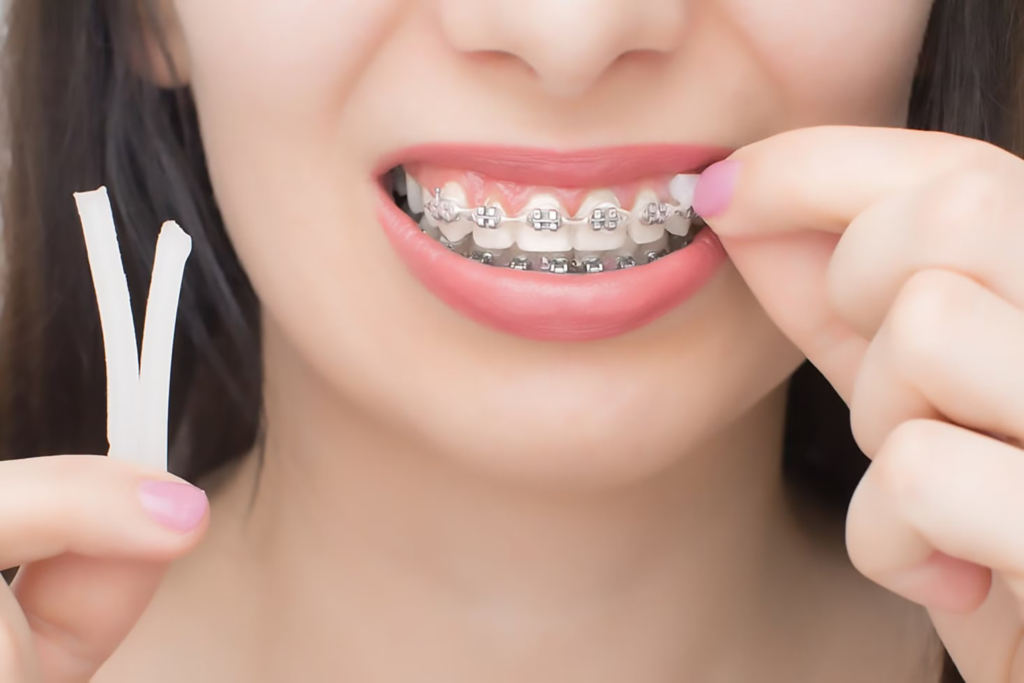
Orthodontic treatment has evolved significantly, giving patients more choices for correcting crowded teeth, spacing, and bite-related concerns. While traditional braces remain effective, newer bracket systems have introduced alternative ways to guide teeth into better positions. Self ligating orthodontic separators are one aspect patients may encounter when exploring modern orthodontic treatment, particularly when learning how different appliances can support tooth movement and create the space needed for proper alignment. Understanding the role of these components, as well as the expertise required to manage orthodontic treatment, can help patients approach their treatment decisions with greater confidence.
What Is Self-Ligating Orthodontic Treatment?
Self-ligating braces are fixed orthodontic appliances that use brackets with an integrated mechanism to hold the archwire in position. Traditional braces generally require small elastic or metal ligatures to secure the wire to each bracket. Self-ligating brackets, on the other hand, use a built-in clip or sliding door. The fundamental objective is still the same: apply controlled forces to gradually move teeth. The difference lies mainly in the design of the bracket and the way the archwire interacts with it.
Self-ligating systems are available in different forms and materials. Some use metal brackets, while others offer ceramic or tooth-coloured alternatives for patients who prefer a more discreet appearance.
Why Is Space Important in Orthodontic Treatment?
One of the most common reasons people seek orthodontic care is dental crowding. When there is insufficient space in the dental arch, teeth may overlap, rotate, or erupt in positions that make them difficult to clean.
Creating adequate space can therefore be an important part of orthodontic planning. Depending on the patient’s condition, an orthodontist may use different approaches, such as arch development, tooth movement, enamel reduction, or extraction in selected cases.
Orthodontic separators are another appliance patients may hear about during treatment. They are small devices placed between teeth to create a temporary space. This can be necessary before certain orthodontic components, particularly bands, can be fitted.
It is important to understand that separators and self-ligating brackets serve different purposes. Separators primarily create temporary space between teeth, while self-ligating brackets are part of the fixed appliance used to guide tooth movement.
How Do Self-Ligating Brackets Differ From Traditional Braces?
The most noticeable technical difference is the method used to secure the archwire. With conventional braces, elastic ligatures hold the wire against the bracket. These ties may come in different colours and are replaced during adjustment appointments. Self-ligating brackets contain a built-in mechanism that secures the wire. This can reduce the number of separate components involved in the appliance.
The difference may also influence the orthodontist’s workflow during appointments. However, patients should not assume that self-ligating braces automatically mean shorter treatment for every case. Treatment duration depends on the patient’s individual dental condition, treatment objectives, biological response, and compliance.
What Are the Potential Benefits?
Self-ligating orthodontic systems can offer several practical benefits.
Easier Wire Changes
The integrated bracket mechanism can allow orthodontists to insert and remove archwires without separately removing and replacing elastic ligatures. This may make certain stages of an adjustment more straightforward.
A Different Cleaning Experience
Traditional elastic ligatures can create additional areas where plaque and food particles accumulate. Because self-ligating brackets do not require these separate ties, some patients may find the appliance easier to clean. However, this does not mean oral hygiene becomes unnecessary. Brackets and wires still create additional surfaces that need careful cleaning.
Modern Appliance Design
For patients interested in contemporary orthodontic technology, self-ligating brackets provide an alternative to conventional fixed appliances. Their streamlined design can appeal to patients who want a modern approach to orthodontic correction.
Choice of Materials
Depending on the system and treatment plan, patients may be able to choose between metal and more discreet ceramic brackets. The choice can depend on aesthetic preferences, clinical requirements, and budget.
What Are Orthodontic Separators?
Orthodontic separators are small devices used to create space between teeth. They are commonly placed between back teeth before orthodontic bands are fitted. The separator gently pushes the teeth apart over a short period. Patients may notice pressure or mild soreness after placement, particularly when biting or chewing.
Separators are temporary and are usually removed when the next component of treatment is fitted. Their use is determined by the orthodontic appliance and treatment plan. Not every patient needs separators, and not every orthodontic case requires bands. Patients should also avoid attempting to remove separators themselves. If one falls out or causes unusual discomfort, contacting the orthodontic clinic is the safest approach.
What Should You Expect During Treatment?
The first stage usually involves a detailed orthodontic assessment. The orthodontist examines tooth alignment, bite relationships, jaw position, facial structure, and overall oral health. Diagnostic records may include photographs, dental scans, X-rays, or other assessments depending on the case.
Once the diagnosis is complete, the orthodontist develops an appropriate treatment plan. This may include self-ligating braces, conventional braces, clear aligners, or other appliances. If separators are required, they may be placed before certain fixed components are fitted.
After the braces are installed, patients generally attend regular appointments. During these visits, the orthodontist monitors tooth movement and makes necessary adjustments or changes to the appliance.
Why Choosing the Right Orthodontist Matters
Orthodontic appliances are only one part of successful treatment. Diagnosis, planning, appliance selection, monitoring, and retention all influence the overall treatment journey.
A qualified orthodontist has specialised training in tooth movement, jaw relationships, bite correction, and facial development. This expertise allows the professional to determine not only where teeth need to move but also how they should move safely.
When looking for a self ligating braces doctor in Singapore, patients should consider qualifications and orthodontic experience alongside technology and clinic convenience.
It is also helpful to ask whether the orthodontist provides different treatment options. Having access to several approaches can make it easier to choose an appliance that fits both clinical requirements and personal preferences.
Caring for Your Braces
Good oral hygiene should remain a priority throughout orthodontic treatment. Patients should brush carefully around every bracket and along the gumline. Interdental brushes can help clean areas around wires and between teeth where a normal toothbrush may not reach effectively.
Flossing should also continue. Special orthodontic flossing aids can make it easier to clean beneath the archwire. Dietary habits may need some adjustment. Hard foods can damage brackets, while sticky foods may become trapped around orthodontic components. Cutting harder foods into smaller pieces can reduce unnecessary stress on the appliance.
Patients should also attend all scheduled appointments. Missed visits can interfere with treatment monitoring and may extend the overall treatment timeline.
Managing Discomfort
Some degree of pressure or tenderness is common after braces are fitted or adjusted. This generally occurs because the teeth and surrounding tissues are adapting to orthodontic forces. The sensation is usually temporary. Patients can follow their orthodontist’s recommendations for managing discomfort.
Wax may also be useful if a bracket or wire initially irritates the inside of the cheek or lips. If there is significant pain, a broken appliance, or a sharp wire that continues to cause irritation, the orthodontic clinic should be contacted.
How Long Does Treatment Take?
Treatment length varies significantly from one patient to another. Simple alignment concerns may require less time than cases involving significant crowding, complex bite problems, impacted teeth, or substantial tooth movement.
Age, bone response, oral health, treatment complexity, appliance type, and patient cooperation can all influence the timeline. Rather than choosing a treatment solely because it promises speed, patients should focus on whether the proposed approach is appropriate for their specific orthodontic needs.
Understanding the Cost of Treatment
The cost of orthodontic treatment can depend on numerous factors, including appliance type, case complexity, treatment duration, diagnostic procedures, appointment frequency, and retention.
Patients researching self ligating braces doctor in Singapore should therefore look beyond the initial quotation. It is useful to understand what the treatment fee includes and whether retainers, replacement appliances, diagnostic records, or additional procedures are charged separately.
A detailed consultation allows patients to receive a treatment plan and cost estimate based on their actual orthodontic requirements rather than a generic price.
Retention: The Final Stage of Treatment
Orthodontic treatment does not end when braces are removed. Teeth naturally have a tendency to shift over time, particularly after active tooth movement.
Retainers help maintain the new positions of the teeth. They may be removable, fixed, or a combination of both depending on the patient’s needs.
Wearing retainers according to the orthodontist’s instructions is an important part of protecting the results of treatment.
Conclusion
Self-ligating orthodontic treatment offers patients a modern alternative to conventional fixed braces, while orthodontic separators can play a useful temporary role when space is needed for certain components. Understanding how these appliances work, what they are designed to achieve, and how they fit into a wider treatment plan can help patients make better-informed decisions.
For individuals exploring orthodontic treatment in Singapore, BRACESAURUS offers personalised orthodontic care with treatment options that include self-ligating Damon braces, conventional braces, and clear aligners. The clinic’s orthodontic services are led by Dr Wee Teng Yau, an MOH-accredited orthodontist with more than 20 years of clinical experience. By combining professional orthodontic expertise with individualised treatment planning, BRACESAURUS provides patients with an informed pathway towards healthier, better-aligned smiles.