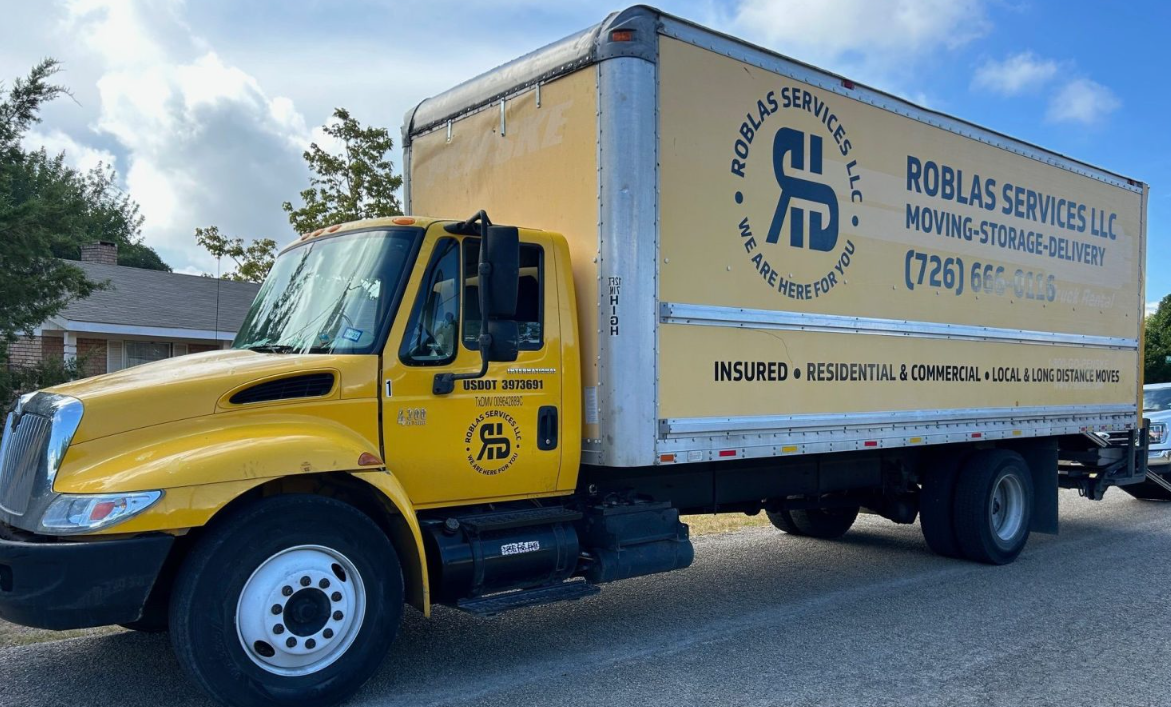
Moving to a new home involves much more than transporting boxes from one address to another. Furniture, appliances, fragile belongings, schedules, building access, parking, and unexpected delays can all affect the experience. Choosing the right mover in San Antonio can help organize these details and reduce avoidable complications. A well-planned relocation starts by understanding the type of assistance required and the conditions surrounding the move.
Assess the Scope of Your Move
The first step is determining exactly what needs to be transported. A studio apartment may require a very different approach from a multi-bedroom home, office, warehouse, or large property. Make an inventory of furniture, appliances, boxes, fragile belongings, and unusually heavy items.
Special items such as pianos, safes, fitness equipment, antiques, and oversized furniture may require additional crew members, protective materials, or specialized handling. Roblas Moving Services, for example, notes that certain heavy items require advance notice and specific crew requirements.
Knowing the inventory in advance also makes it easier to estimate truck space, labor requirements, packing materials, and the expected duration of the move.
Understand the Services You Actually Need
Moving services can range from labor-only assistance to complete relocation support. Some households need help with loading and unloading, while others may require packing, unpacking, furniture disassembly, reassembly, or delivery.
A moving company in San Antonio, TX may also handle commercial relocations, office equipment, warehouse inventory, or specialty transportation. Separating essential services from optional assistance can make planning more straightforward and help prevent unnecessary costs.
For example, someone who has already packed every box may only need transportation and loading assistance. Another household may benefit from professional packing because of limited preparation time or numerous fragile belongings.
Plan Access, Parking, and Building Restrictions
Access conditions can have a major effect on moving day. Narrow driveways, staircases, elevators, gated communities, apartment loading areas, and limited parking can all influence how furniture and boxes are transported.
Downtown San Antonio has designated loading zones and specific parking regulations. The city also provides parking restriction permits for certain situations, including reserving parking meters or extending use of commercial or passenger loading areas.
Before moving day, confirm whether the property has elevator reservations, loading instructions, parking restrictions, or homeowner and building association requirements. Sharing this information with the moving crew beforehand allows the logistics to be considered during scheduling.
Prepare Belongings Before the Crew Arrives
Preparation can make the physical moving process considerably more efficient. Separate items that will not be transported, label boxes by room, and identify fragile or high-value belongings clearly.
Important documents, medications, jewelry, personal electronics, and other essential items are generally better kept separately rather than placed inside the moving truck. It is also useful to photograph valuable furniture and electronics before they are packed or loaded.
Weather should be considered as well. San Antonio can experience hot conditions, so planning hydration, protecting temperature-sensitive belongings, and allowing additional time for physically demanding work can be practical precautions.
Compare Quotes Carefully
Price is only one part of evaluating a moving provider. When comparing San Antonio moving services, look at what the quoted price actually includes.
Ask whether the estimate covers labor, transportation, packing materials, stairs, long carries, furniture assembly, and other anticipated requirements. A written estimate with clearly explained charges makes it easier to compare different options without relying solely on a headline price.
Create a Detailed Moving-Day Plan
A practical schedule should identify the arrival time, loading sequence, transportation arrangements, destination access, and unloading priorities. Keeping frequently needed items accessible can also make the first evening at the new property easier.
For larger relocations, coordinating crew size, truck allocation, special-item handling, and destination access in advance can reduce confusion. A professional mover in San Antonio can work more efficiently when the inventory and logistical requirements are clearly communicated before moving day.
Conclusion
A successful relocation depends on preparation, accurate information, realistic scheduling, and clear communication. For households comparing local movers in San Antonio, reviewing credentials, service details, estimates, equipment, and handling procedures can provide a useful framework for selecting moving assistance that matches the specific requirements of the relocation.