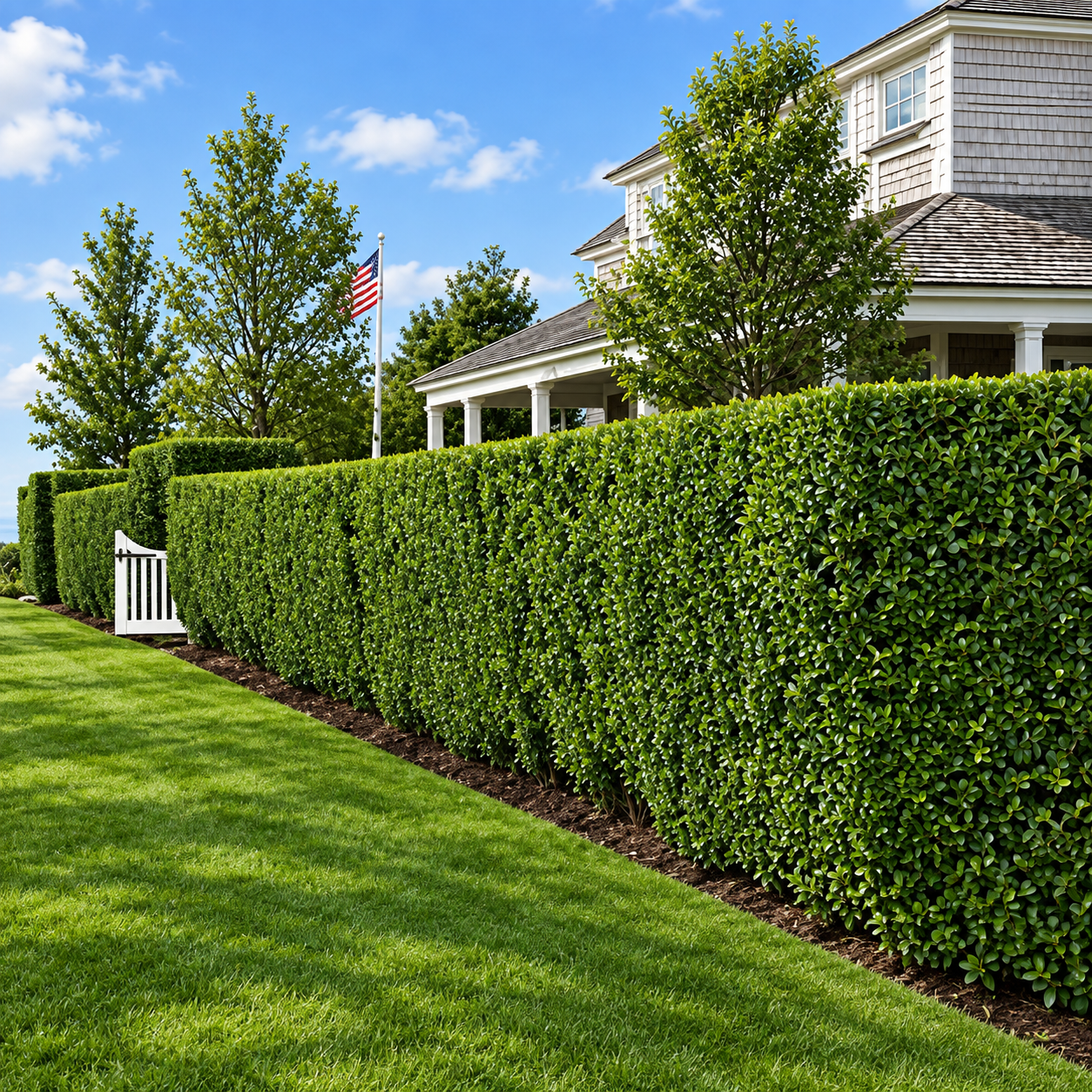
Landscaping projects often call for a versatile shrub that performs well as a hedge, screen, or standalone accent without demanding constant attention. The wax leaf privet has earned a reputation among homeowners and landscapers for exactly this kind of reliability, offering dense, glossy foliage that holds up well across a range of growing conditions. Understanding its care requirements and growth habits helps gardeners decide whether this shrub fits their specific landscaping goals.
Why This Shrub Works Well for Hedging
Dense branching and naturally compact growth make this variety particularly well suited for creating privacy screens or defined garden borders. Left untrimmed, it grows into a rounded shrub form, but regular pruning encourages the tight, uniform shape most homeowners want for hedge applications. This adaptability between formal and more relaxed growth habits gives landscapers flexibility depending on whether a project calls for a structured hedge or a softer, more natural border planting.
Ideal Growing Conditions for Healthy Foliage
This shrub generally thrives in full sun to partial shade, adapting reasonably well to a range of light conditions once established in the ground. Well-draining soil is important for root health, since prolonged waterlogging can lead to root rot over time. A wax leaf privet planted in appropriate conditions typically establishes quickly, showing vigorous new growth within the first growing season after transplanting from a container.
Watering and Fertilization Needs
Newly planted specimens require consistent watering during their first year to support root establishment, though mature plants develop reasonable drought tolerance once settled into the landscape. Overwatering established plants can be more harmful than underwatering, since consistently soggy soil creates conditions favorable to root disease. Light fertilization in early spring supports healthy foliage growth, though established plants generally require minimal ongoing feeding compared to more demanding landscape shrubs.
Pruning Techniques for Desired Shape
Regular pruning throughout the growing season maintains the dense, uniform appearance most homeowners want for hedge or screen applications. Shearing encourages branching at cut points, gradually thickening the shrub’s overall density over successive growing seasons. Timing pruning sessions to avoid extreme heat or immediately before expected frost helps the plant recover without unnecessary stress, ensuring consistent, healthy regrowth after each trimming session.
Common Pests and Disease Considerations
Like most landscape shrubs, wax leaf privet can occasionally attract pests such as aphids or scale insects, particularly in stressed or overcrowded plantings. Regular visual inspection during routine garden maintenance helps catch infestations early, before they spread significantly across a hedge or border planting. Proper spacing between plants during initial installation also improves air circulation, reducing the likelihood of fungal issues that thrive in overly dense, poorly ventilated plantings.
Landscape Design Applications Worth Considering
Beyond traditional hedging, this shrub works well as a foundation planting, accent piece, or even trained into a small ornamental tree form with selective pruning. The adaptable growth habit of wax leaf privet makes it suitable for both formal, manicured landscapes and more relaxed, naturalistic garden designs. Homeowners planning a broader landscaping project should consider how this shrub’s mature size and shape will integrate with surrounding plantings before finalizing placement decisions.
Conclusion
Successfully growing this shrub comes down to providing appropriate sunlight, well-draining soil, and consistent pruning to maintain its desired shape over time. Taking these care requirements into account before planting helps ensure a healthy, long-lasting addition to any landscape design. For those looking to source quality plants for a hedging or landscaping project, Plant Clearance offers a selection suited to gardeners seeking reliable, low-maintenance shrubs for their outdoor spaces.