Retreading gives suitable used tire casings an opportunity to receive a new tread rather than being discarded after the original tread has worn away. The process involves inspection, preparation, repair, buffing, tread application, curing, and final inspection. Each stage requires appropriate equipment to achieve consistent results and protect the integrity of the casing. Understanding the role of tire retreading tools is therefore important for facilities involved in commercial tire repair and retreading. These tools help technicians remove damaged rubber, prepare surfaces, create appropriate textures, and perform repairs before the new tread is applied. Proper preparation is particularly important because the quality of the casing surface influences how repair materials and new tread components bond during processing.
What Are Tire Retreading Tools Used For?
The specific equipment required depends on the type of tire, the repair being performed, and the stage of processing. Passenger tires, truck tires, off-the-road tires, and other commercial applications can require different tool configurations. Tire retreading tools are equipment and accessories used throughout the casing preparation and repair stages of the retreading process. Their functions can include buffing, skiving, cleaning damaged areas, removing unwanted rubber, preparing repair cavities, and creating suitable surfaces for bonding.
Retreading is not simply a matter of attaching new tread to an old casing. The casing must first be assessed and prepared to determine whether it is suitable for further service. This makes inspection and preparation tools an important part of the overall process.
Which Tools Are Used for Tire Skiving?
Different skiving applications call for different tool designs. Hand-operated skiving knives may be used for certain repair preparations, while rotary tools, rasp systems, and specialized cutting accessories can be appropriate for other applications.
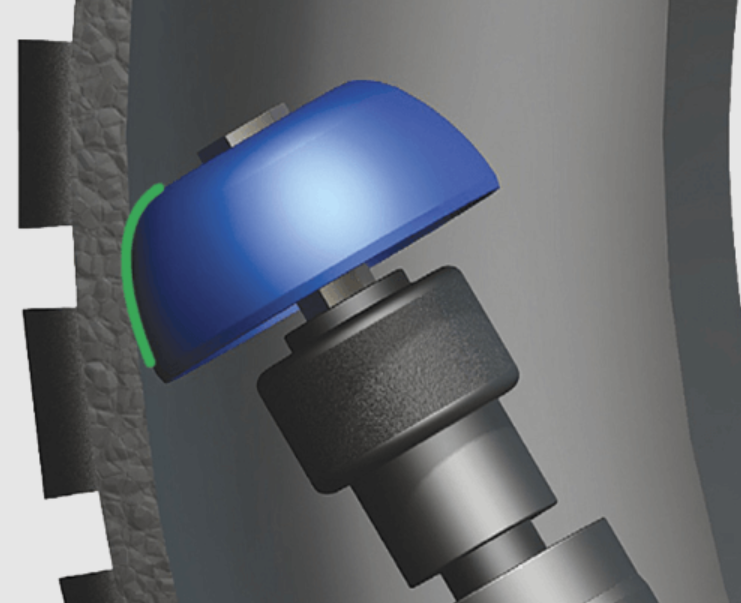
Some tire retreading tools are designed specifically for smaller repair areas where larger buffing equipment cannot provide the necessary access. For example, Rubberhog’s 1/4-inch shaft tools are designed for skiving, texturing, cleaning repair cavities, and preparing smaller repair areas. Their range includes spheres, tapers, rotor saws, and nail-hole reamers.
For larger preparation tasks, specialized wheels and rasp systems can remove rubber efficiently while allowing technicians to shape the repair area. Choosing the correct tool therefore depends on the injury, location, material being removed, and desired surface condition.
How Do Tire Repair Tools Support Retreading?
Repair preparation is one of the most important stages because defects must be addressed before a casing receives new tread. After inspection, damaged areas may need to be opened, cleaned, and repaired using appropriate materials.
The Tire Industry Association’s repair guidance emphasizes careful injury inspection, controlled skiving, appropriate preparation of damaged steel cords, and removal of burnt or contaminated rubber. It also notes that excessive heat during grinding can damage rubber, highlighting the importance of selecting and operating tools appropriately.
This demonstrates why tire retreading tools are not interchangeable accessories. Their speed, cutting structure, shape, and intended application can affect how efficiently and accurately technicians prepare the casing.
What Role Do Skiving Wheels Play?
Skiving wheels can be useful when controlled rubber removal is required across particular areas of a casing. Their design allows technicians to work on rubber surfaces while shaping or cleaning an injury before subsequent repair steps.
Tool compatibility, cutting characteristics, operating speed, and the required finish all influence the suitability of a particular wheel.
Using the appropriate equipment can help technicians maintain better control during preparation and reduce unnecessary removal of sound casing material.
Conclusion
A successful retreading process depends on careful inspection, accurate casing preparation, controlled repair, and appropriate tread application. Selecting equipment according to tire type, injury characteristics, access requirements, and operating specifications can improve consistency while helping protect the casing. For facilities evaluating tire skiving wheels, understanding the relationship between tool design and preparation requirements is essential for building an effective retreading workflow.